By Blaise Jaeger — PADI Master Scuba Diver based in Nusa Penida, diving Toyapakeh since 2017 · Updated on July 2, 2026
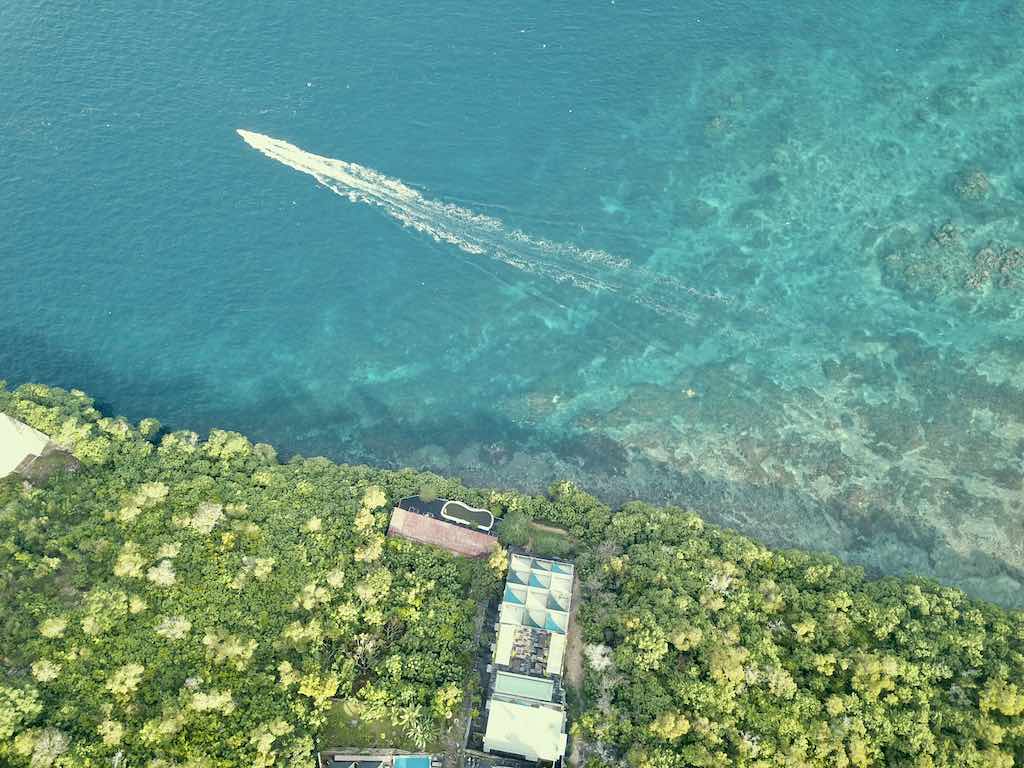
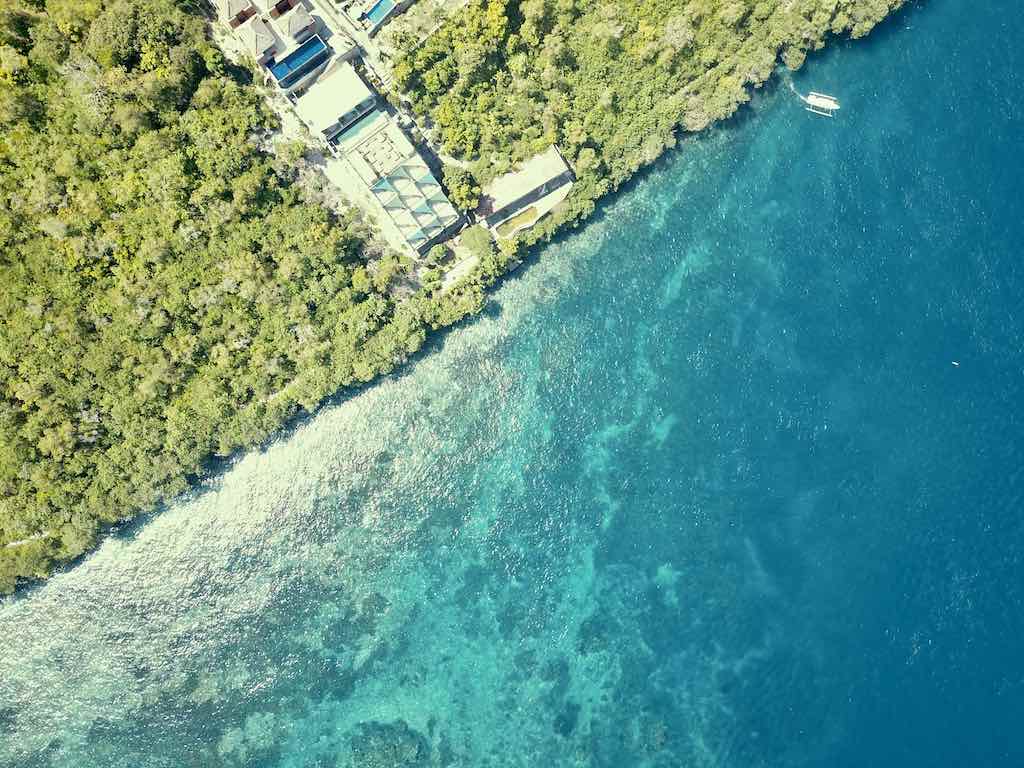
Toyapakeh is one of the most beautiful dive sites in Nusa Penida. It sits right in front of the Adiwana Warnakali hotel and the Dune Penida dive centre, just a couple of minutes by boat from the harbour. It’s my favourite site on the island — the one I take you to first whenever conditions line up.
The Toyapakeh reef impresses with its diversity: a colourful wall that drops into the deep blue, shallow coral plateaus perfect for first dives, and canyons and huge coral bommies that shelter exceptional marine life. You’ll find the most discreet macro — nudibranchs and shrimps — as well as the big encounters with the famous Mola Mola, marble rays and, more rarely, eagle rays or schools of trevallies.
It’s also one of the best snorkeling spots on the island: the coral wall that gives “Toyapakeh Wall” its name is, above all, a snorkeling line where snorkelers follow the reef from the surface. Divers, meanwhile, run a different route along the same reef (more on that below).
I’ve been diving Toyapakeh regularly since 2017 and every dive here stays unique. The currents make for magnificent drift dives along the wall, with visibility often over 25 meters and colours like nowhere else around the island. 👉 Want the big picture of every site reachable from the harbour? See our complete guide to the best dive sites in Nusa Penida.
Toyapakeh at a Glance
| Type of diving | Wall, drift, coral plateau, macro |
| Level | Beginner to experienced, depending on the zone |
| Depth | 5–40 m |
| Highlights | Mola Mola, marble rays, turtles, macro, coral |
| Current | Mild to moderate, sometimes strong on the drift |
| Water temperature | 22–29°C |
| Visibility | 20–40 m |
| Best time | Year-round (Mola Mola July–October) |
| Time from Toyapakeh harbour | 2 minutes by boat (right in front) |
What Level to Dive Toyapakeh?
Toyapakeh welcomes divers of every level. Beginners explore the shallow coral plateau, between 5 and 12 meters, where you move safely among the coral bommies and schools of tropical fish. It’s an ideal setting for a discovery dive or the first dives of a PADI Open Water course.
Intermediate divers follow the wall on a drift, between 15 and 25 meters, where you get the full intensity of the colours and the richness of the marine life. The currents are usually manageable and make for a smooth, relaxing dive. Experienced divers explore the deeper zones, down to 40 meters, hunting for the Mola Mola between July and October, and reach the canyons and more technical passages where the currents can pick up. Whatever your level, you always dive with a local guide who knows Toyapakeh’s currents and quirks by heart.
The Toyapakeh Reef & Wall
The Toyapakeh reef forms a long wall stretching several hundred meters parallel to the coast of Nusa Penida. It starts with a shallow coral plateau, right in front of the harbour, then slopes gently before tipping into a vertical wall down to 30–40 meters.
The upper plateau is home to huge coral bommies — natural aquariums teeming with angelfish, butterflyfish, surgeonfish and schools of fusiliers. Lower down, the wall is draped in gorgonians, giant sponges and soft corals of an impressive chromatic diversity. The canyons carved into the reef and the small crevices offer countless refuges for macro life: nudibranchs, shrimps, leaf fish and pygmy seahorses for those who look closely. From one plateau to the next, the layout is like a staircase leading down to Toyapakeh’s typical blue — and there are many ways to dive it, drifting toward Gamat Bay or toward SD Point along the staghorn coral gardens.
Divers and snorkelers follow the reef differently. Snorkelers stay on the surface and follow the wall itself — this is the “Toyapakeh Wall” everyone talks about. Divers, on the other hand, drop in under the “Tree” at the far end of the wall, then progress along the reef toward the waterpark platform, which marks the end of the dive. It’s a logical, current-friendly route that lets you cover the best of the site on a single tank.
The Mola Mola at Toyapakeh
Toyapakeh is one of the Nusa Penida sites where you can meet the Mola Mola. The sunfish rises from the cold water between July and October to be cleaned by bannerfish at a cleaning station around 40 meters deep, in front of the entry point. Encounters are never guaranteed, but Toyapakeh’s easy access and clear water make it a rewarding place to try during the season.

Marine Life at Toyapakeh
Toyapakeh is my favourite site in Nusa Penida precisely because you see everything here, from the smallest to the biggest. You regularly meet green and hawksbill turtles resting on the coral bommies or grazing on sponges.
On the wall you’ll see schools of trevallies, barracudas, mackerel and sometimes whitetip reef sharks patrolling the blue. Javan and ribbon moray eels emerge from the reef crevices and scorpionfish hide against the gorgonians. On the macro side, enthusiasts are spoilt: harlequin shrimps, Thor shrimps, porcelain crabs, colourful nudibranchs, leaf fish and even pygmy seahorses on the gorgonians. It’s this unique combination of macro and big pelagics that makes Toyapakeh so exceptional. Dive deeper into the region’s species on our pages about nudibranchs and sharks.
How to Dive Toyapakeh
You reach Toyapakeh in two minutes by boat from Toyapakeh harbour, right in front of the Adiwana Warnakali hotel. The on-site Dune Penida dive centre runs trips every day with dedicated boats and PADI-certified guides.
For your first bubbles, I recommend a discovery dive on the sheltered plateau: you explore the coral bommies in calm, warm water, guided one-to-one by an instructor. To go further, you can continue with a PADI Open Water or Advanced Open Water course, ideally split between Toyapakeh and the island’s other sites. Certified divers enjoy fun diving along the wall, drifting or exploring multi-level. Toyapakeh is also a superb snorkeling site: the reef known as “Toyapakeh Wall” is followed from the surface, and the coral bommies rise to less than 3 meters — a striking show the whole family can enjoy, reachable from the boat or from Toyapakeh beach.
Dive Toyapakeh with Roy
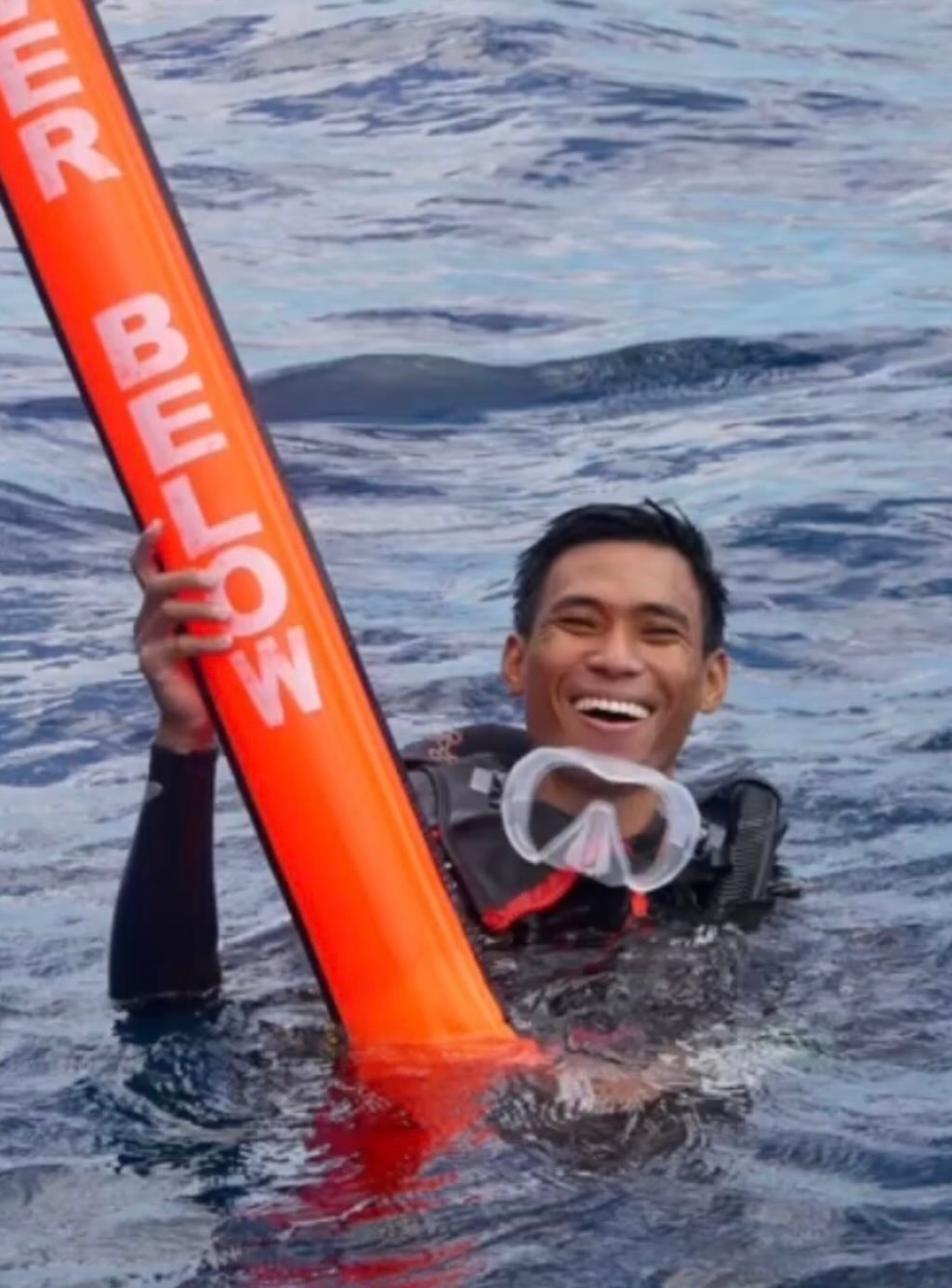
Roy is a dive instructor at Dune Penida, based right above Toyapakeh at Adiwana Warnakali. He dives this wall almost every day and knows exactly where the macro hides and when the Mola Mola shows up. First dive, PADI course or a relaxed drift along the wall? Message Roy directly — he’ll pick the right day and route for your level.
An Instructor’s Best of: Night Dive at Toyapakeh
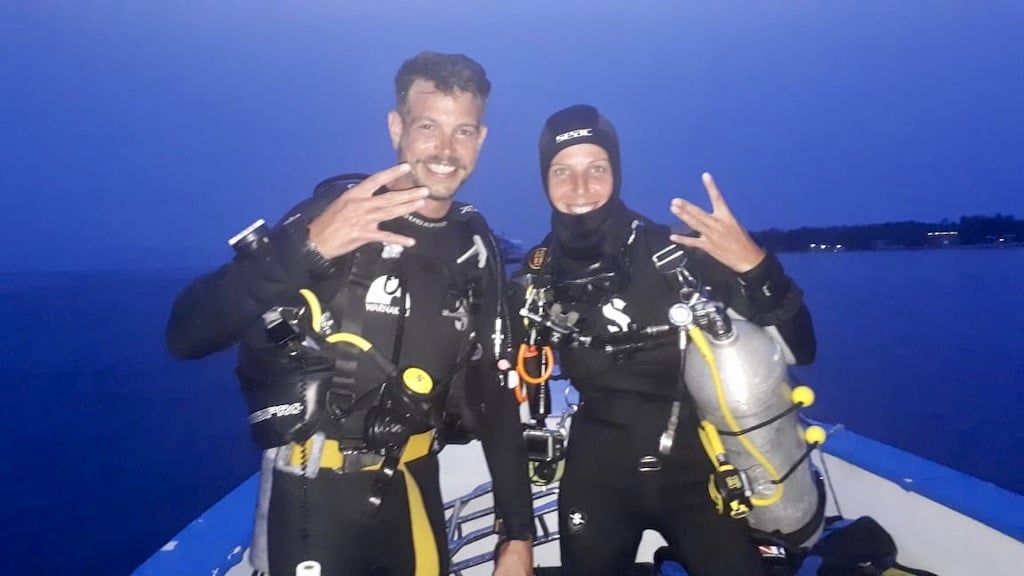
A sunset over Toyapakeh — my guilty pleasure. The boats are moored, a deep calm reigns. The colours turn different, blazing; a charming, delightful ride. Then a whole new world appears: the night. Every coral structure is buzzing, and I could stay all night long admiring this special universe, reserved for a few lucky divers. It’s a must-do on the island, and probably the most outstanding way to finish your Advanced Open Water course — with a night dive.
Loïc, PADI OWSI
Why Dive Toyapakeh?
Toyapakeh is my favourite site in Nusa Penida because you can see it all here, from the smallest to the biggest. Between the possible encounters with the Mola Mola, marble rays, turtles, the macro and the sumptuous coral of the wall, every dive becomes a different story. Its immediate proximity to the harbour and the Dune Penida dive centre, its exceptional visibility and its accessibility to all levels make it an unmissable stop for anyone coming to dive in Bali.
Toyapakeh Diving & Snorkeling FAQ
Is Toyapakeh good for beginners?
Yes. The shallow coral plateau, between 5 and 12 meters, is perfect for a discovery dive or the first dives of a PADI Open Water course.
Can you see Mola Mola at Toyapakeh?
Yes, between July and October. The sunfish rises along the wall to be cleaned, usually around 40 meters at the cleaning station.
Is there current at Toyapakeh?
The current is generally mild to moderate and makes for beautiful drift dives. It can strengthen at times depending on the tides.
What is the visibility at Toyapakeh?
Visibility ranges from 20 to 40 meters depending on the season, often above 25 meters on average.
How long does it take to reach the dive site?
Toyapakeh is right in front of the harbour and the Adiwana Warnakali hotel: just 2 minutes by boat.
Can you snorkel at Toyapakeh?
Yes — it’s one of the best on the island. Snorkelers follow the reef known as “Toyapakeh Wall” from the surface, where the coral bommies rise to less than 3 meters. It’s reachable from the boat or from Toyapakeh beach.
What is the water temperature at Toyapakeh?
The water ranges from 22°C to 29°C depending on the season, cooler during the Mola Mola season.
Plan your trip to Nusa Penida
If Toyapakeh has sparked your curiosity, take a deeper look at everything the island offers — above and below the surface. Plan your stay with our complete travel guide to Nusa Penida, and for divers our Nusa Penida diving guide covers seasons, temperatures, currents and certifications. You can dive Toyapakeh and many other exceptional sites with Dune Penida Dive Center, a PADI 5★ center based on Nusa Penida. Choosing where to dive next? Our in-depth guide to the best dive sites in Bali — including Crystal Bay, Gamat Bay, Blue Corner and Manta Point — breaks down each site by level, conditions and marine life.
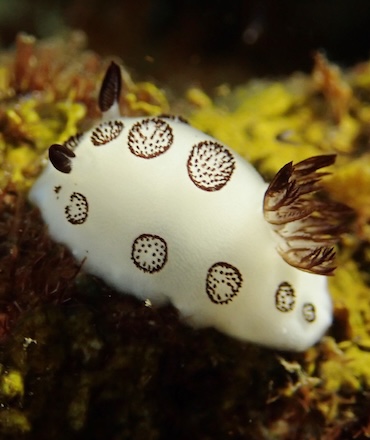
Nudibranchs in Bali
Discover nudibranchs in Bali and Nusa Penida : prime macro dive sites, seasonal variations, photography tips and how to spot these colorful sea slugs.
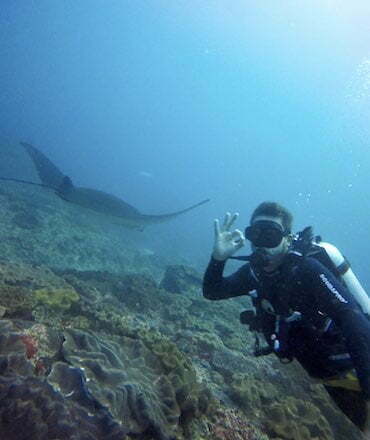
Best dive sites in Bali
20 best dive sites in Bali around Nusa Penida, Padang Bai and North Bali : manta rays, oceanic sunfish, sharks, drift dives and vibrant coral reefs.
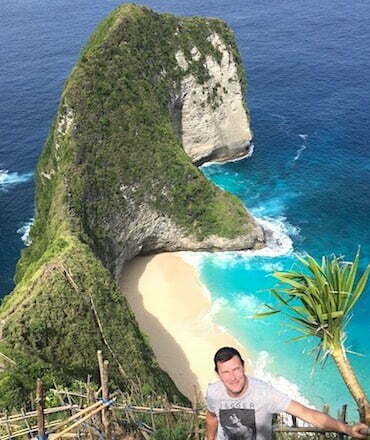
Nusa Penida travel guide
Complete Nusa Penida Travel Guide : how to get there, where to stay, best beaches, temples, viewpoints and practical tips to plan your island adventure.
About the author
Blaise Jaeger opened Nusa Penida’s first PADI dive centre in 2017, right above Toyapakeh at Adiwana Warnakali, and has dived this wall hundreds of times. A PADI Master Scuba Diver based on the island, he shares first-hand, safety-first guides to diving Nusa Penida.