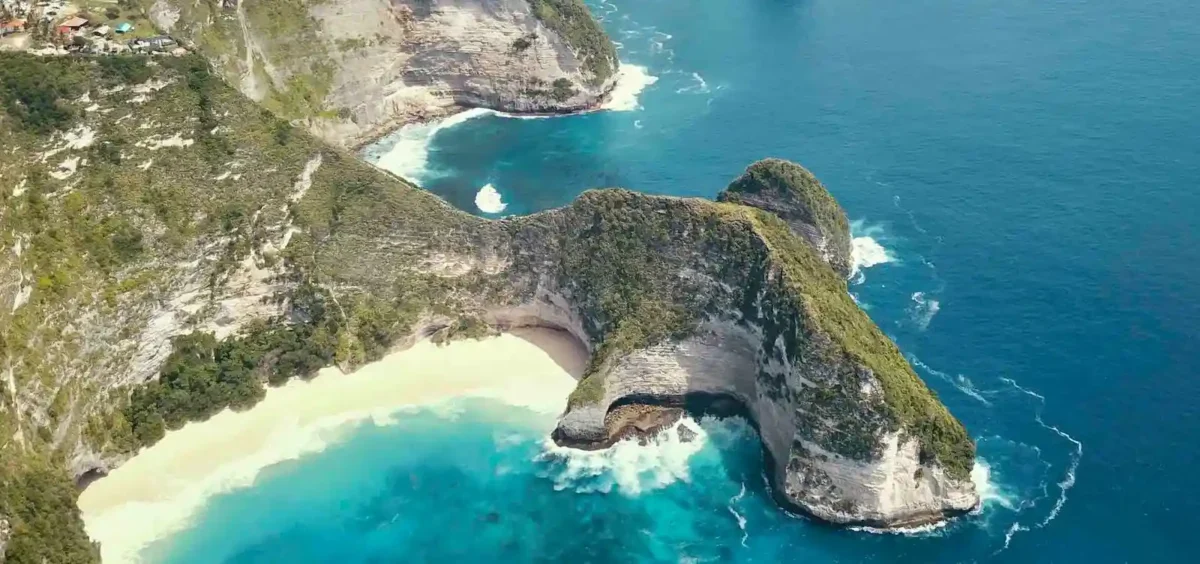
Kelingking Beach Nusa Penida Bali drone panorama

Nusa Penida Travel Guide 2026: Beaches, Diving & Local Tips

Nusa Penida is a spectacular island off the coast of Bali that I’ve been exploring continuously since my first visit in May 2015. Two years later I realized I had already come back 16 times; by 2020 I had passed 30 visits, so I moved to Bali that September. I lived on the island for eight months in 2020–2021, and since then travel weekly from Seminyak, Bali to dive and explore new spots. Having visited dozens of times before moving there, I know the quiet, off-the-beaten-path corners most day-trippers never reach. On this site, I share up-to-date local insights on what to do and see in Nusa Penida — from beaches and diving to transport tips, boat schedules, and where to stay — all based on firsthand experience.

French national television has covered this island twice. When France 5’s travel show Échappées belles devoted an 86-minute episode to Bali in January 2023, the first 25 minutes were shot on Nusa Penida — I dived with the presenters at Manta Point and guided them through the Goa Giri Putri cave temple. In December of that year the island also led a five-minute report on the TF1 evening news, “Nusa Penida, l’Étretat du bout du monde”.

Don’t miss the chance to fall in love with Nusa Penida as I have. With its beauty, adventure, and charming culture, this Indonesian island is a true gem waiting to be discovered.

🌴 Nusa Penida at a Glance

Nusa Penida is a stunning island near Bali, famous for its dramatic cliffs, crystal-clear beaches and world-class diving.

  • 📍 Location: about 25 km southeast of Bali, across the Badung Strait
  • 📐 Size: 192.7 km² for the island itself — the largest of the three Nusa Islands (202.84 km² for the whole district)
  • 👥 Population: 56,396 on the island; 65,822 for the district including Nusa Lembongan & Ceningan (BPS, 2024)
  • 🏛️ Administration: a district (kecamatan) of Klungkung Regency, Bali province
  • ⛴️ Getting there: 40-minute fast boat from Sanur, Bali — more than 60 crossings a day from Sanur and Kusamba combined
  • 🌡️ Sea temperature: around 26 °C all year

⭐ Top Highlights

  • 🦖 Kelingking Beach — the iconic T-Rex cliff
  • 🌊 Diamond & Atuh Beach — turquoise water & epic views
  • 🐠 Manta Point — swim with manta rays year-round
  • 🌅 Crystal Bay — sunset spot & snorkeling paradise
  • 🌴 Tembeling Beach & Forest — the one corner that still feels untouched

⏳ How Long to Stay

👉 Plan at least 3–4 days to fully explore the island and avoid rushed day trips.

Turquoise water and rock formations at Atuh Beach on the east coast of Nusa Penida
Atuh Beach, on the rugged east coast — reached by a steep cliff staircase

Nusa Penida Diving & Marine Life

In 2010, the waters surrounding Nusa Penida, Nusa Ceningan, and Nusa Lembongan were designated as a marine protected area covering 20,057 hectares, underlining the exceptional biodiversity of this region. The seabed is home to 296 coral species and 576 species of reef fish, making Nusa Penida one of the richest marine ecosystems in Indonesia. In October 2024, the International Maritime Organization went further and designated the Nusa Penida islands a Particularly Sensitive Sea Area (PSSA) — one of only a handful worldwide — at its 82nd Marine Environment Protection Committee, under Resolution MEPC.396(82).

This remarkable biodiversity has turned the island into a world-class destination for scuba diving, snorkeling, and freediving, attracting underwater enthusiasts from all over the world.

Among the many dive sites, Manta Point is undoubtedly one of the most iconic. Divers visit year-round for the chance to encounter majestic manta rays, while the legendary Mola Mola (ocean sunfish) can be spotted seasonally, typically from July to October. Beyond these highlights, Nusa Penida offers many other outstanding dive sites, each with its own character and marine life.

For divers seeking professional guidance and safe conditions, the Adiwana Warnakali dive resort offers discovery dives, PADI certifications, and guided fun dives led by experienced local instructors.

Whether you are a beginner or an experienced diver, Nusa Penida captivates visitors with its exceptional underwater world. To learn more, explore our guide to scuba diving in Nusa Penida.

Scuba diver swimming beneath a large manta ray at Manta Point, Nusa Penida
A discovery dive with manta rays at Manta Point — possible year-round

Explore Nusa Penida’s Dramatic Landscapes

Still largely untouched, Nusa Penida offers some of the most dramatic landscapes in Indonesia, especially along its rugged west and south coasts, where towering cliffs plunge straight into the ocean. With so many spectacular places to explore, it can be hard to know where to start — which is why I’ve selected a curated list of the top sites to visit on the island.

South Coast

The South Coast is particularly striking, with cliffs rising up to 150 meters above the sea. Iconic viewpoints such as Broken Beach and Angel’s Billabong, along with natural gems like Tembeling, Peguyangan, and Seganing Waterfalls, offer breathtaking scenery and unforgettable photo opportunities. For adventurous travelers willing to hike down steep trails, the reward is access to some of the island’s wildest and most dramatic beaches.

North Coast

In contrast, the North Coast has a calmer atmosphere, shaped by traditional seaweed farming and offering beautiful views toward Mount Agung on Bali. It is also where the island’s two harbors sit, Toyapakeh and Sampalan. The island’s interior is more rural and hilly, home to rolling green landscapes and the famous Teletubbies Hill, named after its rounded, cartoon-like scenery.

Nusa Penida is also renowned for its diverse beaches, ranging from easily accessible spots like Crystal Bay to more adventurous locations such as Kelingking Beach, Atuh & Diamond Beach, Gamat Bay, and Suwehan Beach, each offering a very different experience.

West Coast

As the day comes to an end, the West Coast delivers some of the island’s most memorable sunsets. One of the best ways to enjoy them is with a drink overlooking the sea, as the sun slowly disappears behind the cliffs. For more inspiration and activities, explore our dedicated guide to things to do in Nusa Penida, or see where to eat in our pick of the island’s best restaurants and warungs.

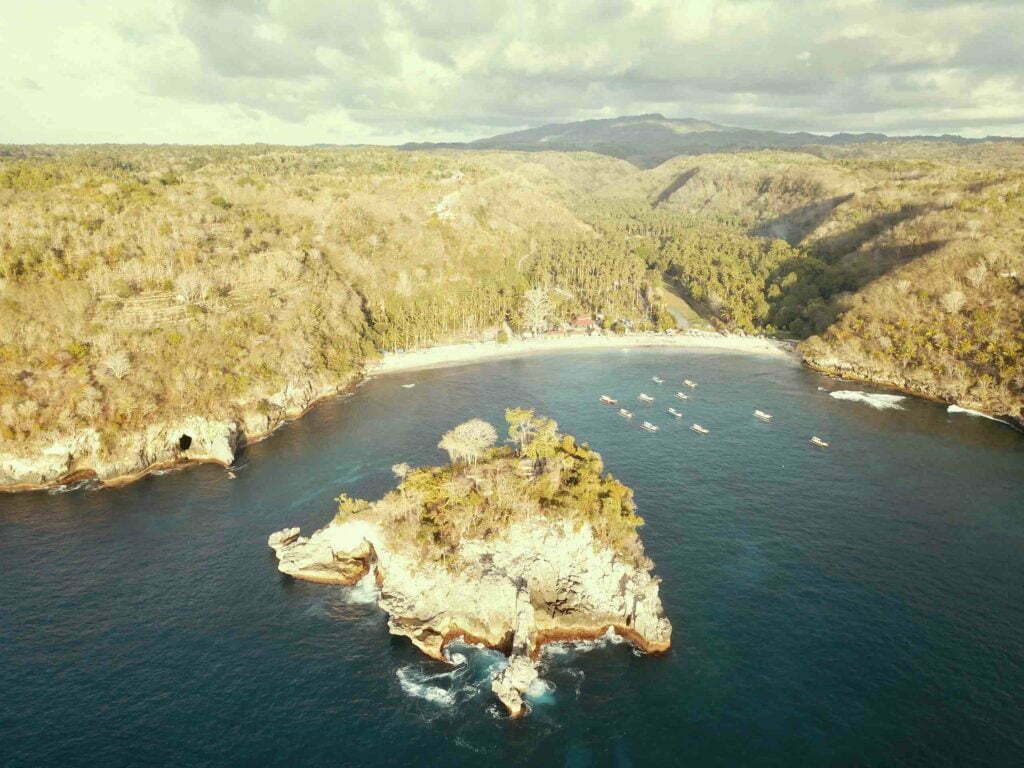
Calm turquoise water and palm-lined sand at Crystal Bay, Nusa Penida
Crystal Bay — one of the island’s easiest beaches for snorkeling and sunsets

Nusa Penida: A Deeply Spiritual Island

Nusa Penida is a rich destination for those interested in Balinese culture, history and spirituality. The island boasts of many temples, some of which hold great significance for the Hindu community in Bali. These temples offer an insightful glimpse into the Balinese way of life and the rituals they perform.

One of the most important temples is the Goa Giri Putri temple. This temple is considered a must-visit for all Hindus in Bali and is located in a huge cave that can be entered through a narrow gut. The purification ritual here involves a dozen stations in the cave and can take up to two and a half hours to complete. But, you can also go through the process faster! The Ped Temple is another notable temple that holds the spirit of a powerful demon and is considered even more important.

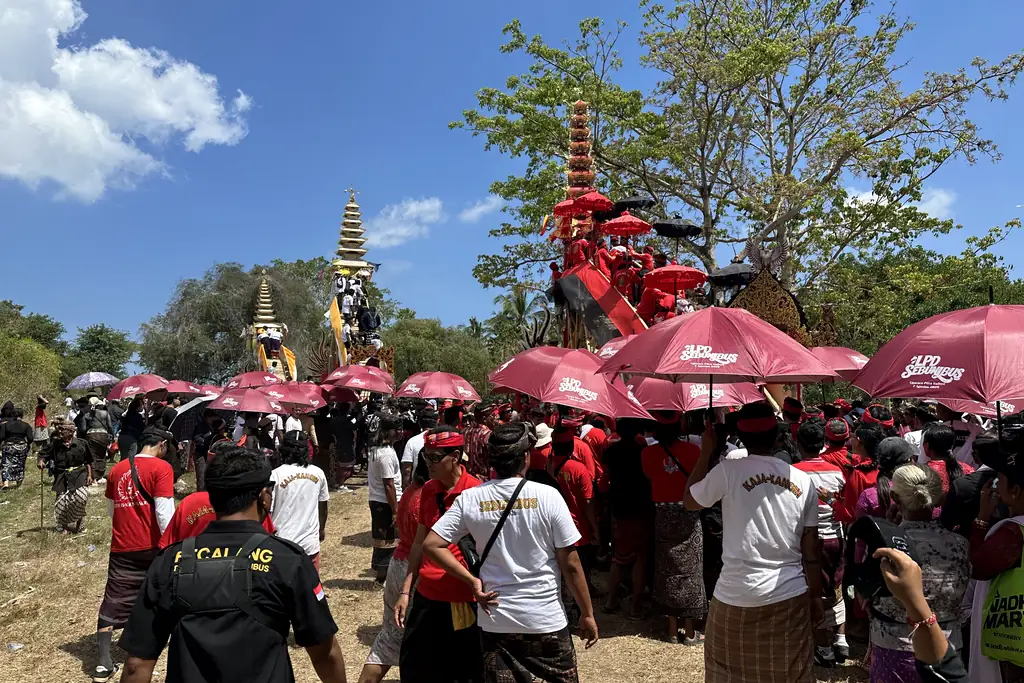
Nusa Penida is also home to many religious events and ceremonies held in more intimate settings than in other parts of Bali. This makes the island an ideal destination for those seeking to experience the Balinese way of life.

Check out the following pages to learn more about the culture and history of Nusa Penida, as well as the main celebrations and events in Bali.

Balinese worshippers dressed in white at a ceremony inside the Goa Giri Putri cave temple, Nusa Penida
A purification ceremony inside the Goa Giri Putri cave temple, entered through a narrow opening

An Island on the Rise as a Tourist Destination

Nusa Penida has become a popular tourist destination in recent years, and the turning point was administrative rather than accidental. In December 2011, Indonesia’s national tourism master plan (RIPPARNAS 2010–2025) classified the island as a Kawasan Strategis Pariwisata Nasional — a National Strategic Tourism Area. Klungkung Regency turned that status into a concrete plan in August 2013, adopting a spatial development plan for 2013–2033 that prioritized roads, electricity, clean-water networks and tourism facilities across the island.

The investments made in the island’s infrastructure have paid off. Water and electricity are now widely available, and new harbors have been built at Sampalan and Banjar Nyuh. Counting departures from Sanur and Kusamba together, more than 60 fast boat crossings now link Bali to Nusa Penida every day, with a journey time of just 40 minutes from Sanur and 20 minutes from Kusamba. The opening of the first hotel with a swimming pool, Namaste Bungalows, in 2013, marked the start of a rapid growth in tourism, and beach clubs, restaurants and resorts have been going up steadily ever since.

The road network is the one thing that never quite stays fixed. Real work is being done on it, but a hard rainy season can wreck a stretch of road in a matter of weeks, so resurfacing here is a bit of a Sisyphean task — expect potholes and broken tarmac on some routes whatever the map says.

Klungkung Regency has said it wants Nusa Penida to join the UNESCO Global Geoparks network, which now counts 241 sites in 51 countries after twelve were added in May 2026. Indonesia already holds twelve of them — but Bali’s only one so far is Batur, around the volcano and caldera in the northeast of the main island. Nusa Penida is not on the list yet.

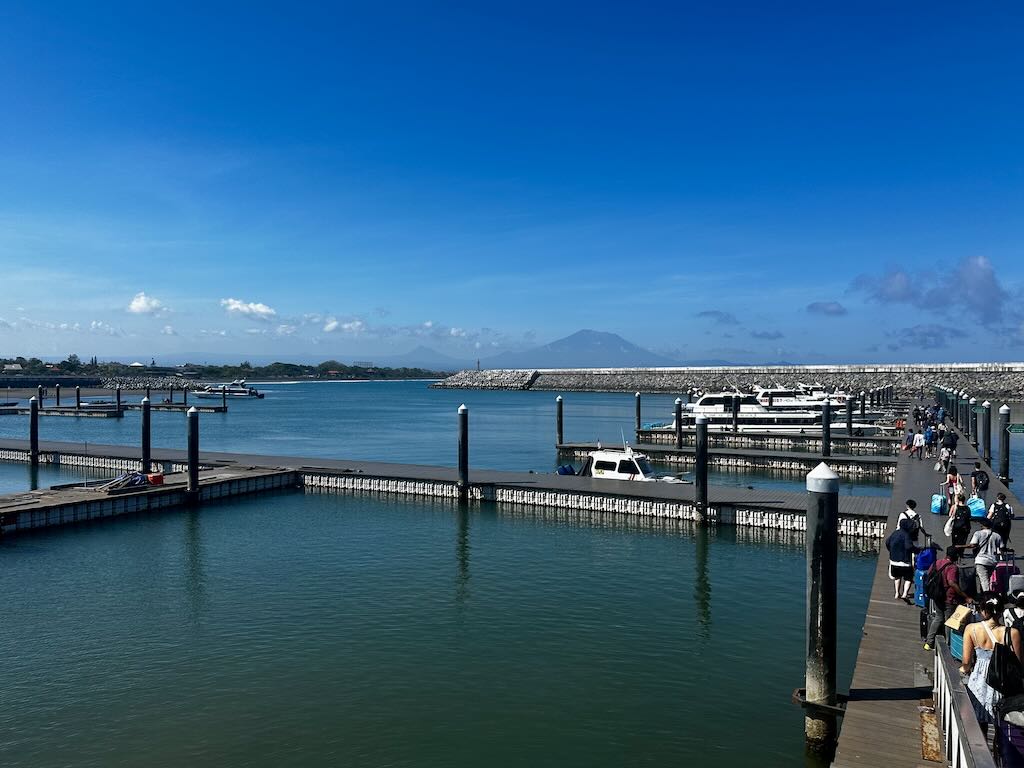
Passengers disembarking from a fast boat at Toyapakeh harbor, Nusa Penida
Arriving by fast boat at Toyapakeh — about 40 minutes from Sanur, Bali

Essential Information for Your Trip

This website brings together practical information and insider tips to help you plan your stay on the island, from transport and mobility to culture and local experiences. If you’re preparing your journey, start with our guide on how to get to Nusa Penida, which covers fast boats, routes, schedules, and useful travel advice. You’ll also find guidance on getting around the island, discovering its history, and experiencing daily life beyond the main tourist spots.

From scenic scooter rides and boat crossings to hiking adventures and beach days, Nusa Penida offers something for every type of traveler. With the right preparation, planning your trip becomes simple — and far more rewarding.

How many nights is it worth staying in Nusa Penida for?

This is the question I get asked most. For a first visit, plan at least three nights in Nusa Penida — three or four if you can. This allows you to explore the island at a relaxed pace and avoid the crowds of day tours, and therefore truly appreciate its landscapes. The first two days are ideal for discovering the main sights through land tours, while the third day can be dedicated to activities such as a beach day, snorkeling, diving, or simply slowing down.

A single day trip from Bali is usually not enough to experience what Nusa Penida has to offer. Visitors often end up following the same routes as large tour groups and spending significant time in traffic. Staying at least one night already makes a big difference, and with options ranging from simple guesthouses to upscale resorts, it’s easy to find where to stay in Nusa Penida according to your travel style and budget.

Find and book hotels in Nusa Penida on Booking.com

Summary: Plan Your Trip to Nusa Penida

This guide brings together everything you need to plan a trip to Nusa Penida, based on firsthand experience from living on the island and visiting weekly.

🧭 Practical information

🏝️ Best Places to Visit in Nusa Penida

🤿 Diving in Nusa Penida

🕉️ Culture & Spirituality

🚤 Nearby Islands

Tourist map of Nusa Penida showing the main beaches, viewpoints, temples and roads
Map of Nusa Penida — message me on WhatsApp for a free high-resolution PDF version

Map of Nusa Penida

A map of the island is available to you on this page. Just click on ‘map’ just below the main photo. Or, if you send me a message on WhatsApp, I’m happy to send you a pdf version of the map (with high resolution!). I’m also happy to answer any other questions you might have!

Adiwana Warnakali dive resort

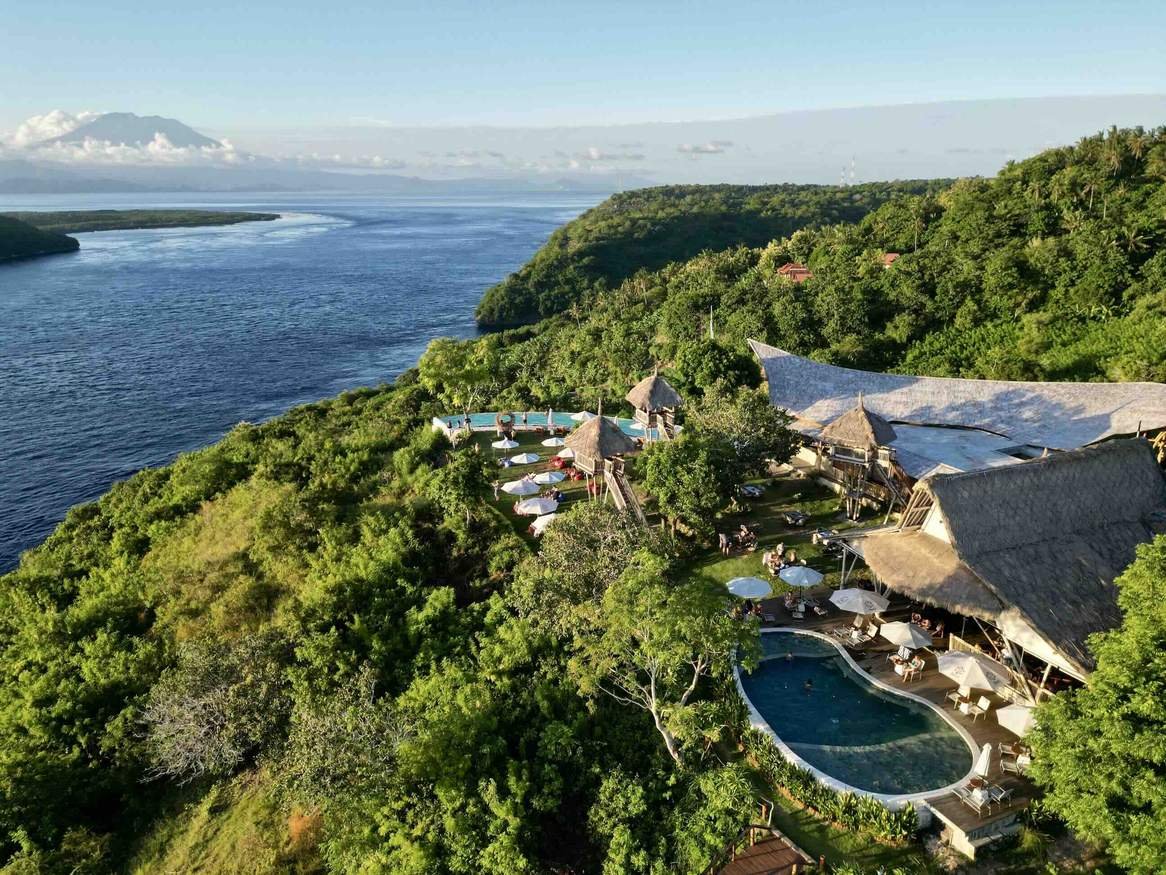
Adiwana Warnakali Dive Resort  is a boutique cliffside retreat overlooking the turquoise waters of Nusa Penida. It offers breathtaking ocean views and direct access to some of Bali’s best dive sites. Our full review of the resort covers the rooms, the dive center and how to get there.

Known for its intimate atmosphere and high-quality dive facilities, the resort blends comfort and adventure. Guests enjoy stylish suites and an infinity pool with views of Mount Agung.

Adiwana Warnakali partners with Dune Penida, a PADI 5★ dive center offering personalized dive experiences. Dives include iconic sites such as Manta Point and Crystal Bay, suitable for both beginners and certified divers.

Adiwana Warnakali is the perfect base for exploring the island’s marine wonders while relaxing in style. You can get a 10 % discount if you book on their website with the code : “AWK”

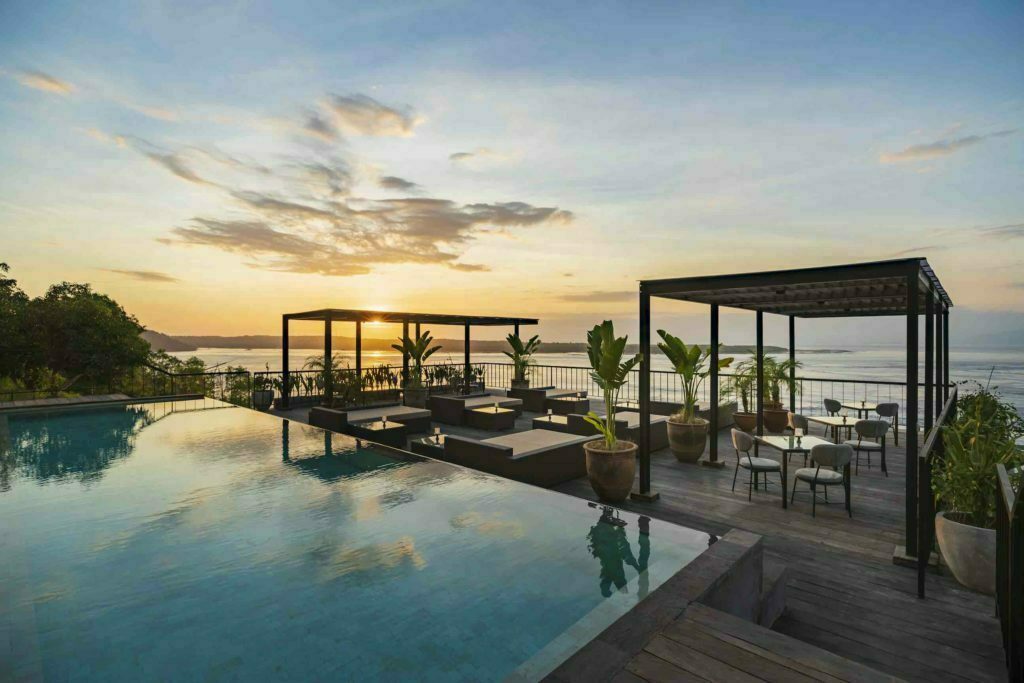
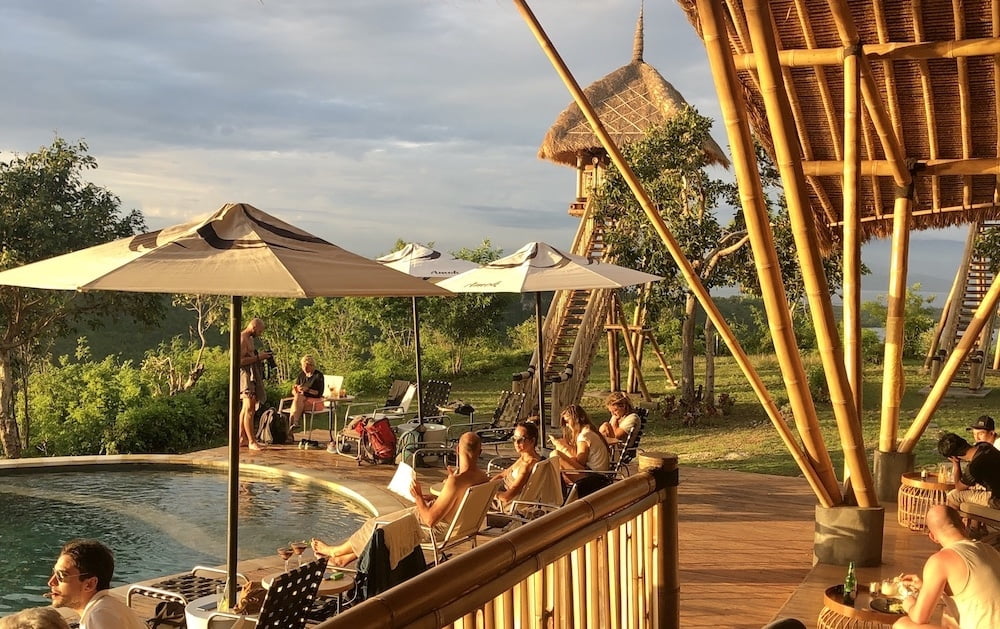
Restaurant deck of Adiwana Warnakali resort at sunset overlooking the sea, Nusa Penida
The clifftop sunset deck at Adiwana Warnakali dive resort

Frequently Asked Questions about Nusa Penida

What is Nusa Penida known for?

Nusa Penida is known worldwide for two things: Kelingking Beach and its diving. The T-Rex-shaped cliff at Kelingking is the image most people have of the island, and it appears regularly in rankings of the world’s most beautiful beaches. Underwater, the island is one of the few reliable places on earth to see the Mola Mola (ocean sunfish) in season, and manta rays all year at Manta Point.

Is Nusa Penida part of Bali?

Yes. Nusa Penida is a separate island, but it belongs to the Indonesian province of Bali. Administratively it is a district (kecamatan) of Klungkung Regency, together with the neighboring islands of Nusa Lembongan and Nusa Ceningan. It sits about 25 km off Bali’s southeast coast, across the Badung Strait, and is reached by fast boat in about 40 minutes from Sanur.

How big is Nusa Penida?

Nusa Penida island covers 192.7 km², making it by far the largest of the three Nusa Islands. The figure of about 200 km² quoted almost everywhere is the whole kecamatan — 202.84 km² — which also takes in Nusa Lembongan and Nusa Ceningan, 10.12 km² between them. Within the island, the largest village by area is Batukandik (21.66 km²) and the smallest is Kampung Toyapakeh (0.65 km²). What matters in practice is not the distance but the state of the roads: crossing from the north coast harbors to the southern cliffs takes far longer than the map suggests. Figures from BPS Klungkung Regency, 2024.

Is Nusa Penida worth visiting?

Yes, Nusa Penida is absolutely worth visiting. The island is famous for its dramatic cliffs, wild beaches and world-class diving. It offers a more rugged and less developed experience than Bali, making it ideal for travelers looking for nature, adventure and unique landscapes.

Is Nusa Penida expensive?

No, Nusa Penida is affordable, though slightly pricier than mainland Bali. Here is what I actually pay on the island in 2026: a scooter rental starts at 75,000 IDR a day, a little more than in Bali. At the warung next to the Dune Penida dive shop, soto ayam with rice is 15,000 IDR and ayam bakar with rice 35,000 IDR — see our guide to where to eat in Nusa Penida for more. A bungalow room with hot water and air conditioning starts around 250,000 IDR a night, and a full day with a car and driver costs about 700,000 IDR.

What are the best beaches in Nusa Penida?

The three best-known are Kelingking, Diamond and Atuh Beach, and Crystal Bay. All three are spectacular, but I have watched every one of them change enormously since 2015 — expect infrastructure, crowds and entrance fees where there used to be none. The one corner that still feels preserved is Tembeling Beach and Forest: it is not the prettiest beach on the island, but it is the closest thing left to what Nusa Penida felt like ten years ago. Suwehan and Gamat Bay are the other two worth the effort.

How do you get to Nusa Penida?

By fast boat from Sanur in about 40 minutes, or from Kusamba in about 20. Counting both ports, more than 60 crossings run every day, arriving at Toyapakeh, Sampalan or Banjar Nyuh. Booking ahead is worth it in high season. Full schedules, operators and prices are in our guide on how to get to Nusa Penida from Bali.

How many days in Nusa Penida?

Ideally, plan 3 to 4 days in Nusa Penida.
A day trip is possible but rushed, while 2 days cover the main highlights. With 3–4 days, you can explore beaches, viewpoints, dive sites and enjoy the island at a more relaxed pace.

Is Nusa Penida safe?

Yes, Nusa Penida is generally safe, but the real risks are on the roads and in the water, not crime. From visiting every week, the biggest danger I see is motorbike accidents: the roads can be narrow, steep and potholed, and a hard rainy season can undo a resurfaced stretch in weeks, so conditions change from one visit to the next. You may also meet a fast truck on a sharp bend — I regularly pass tourists with bandages after a fall. Don’t rent a scooter unless you’re a confident rider, and always wear a helmet, shoes and a shirt. The second risk is swimming where it’s forbidden — currents and waves at Kelingking, Angel’s Billabong and Diamond Beach can be deadly, so respect the no-swimming signs. The third is falling from cliff-edge viewpoints, so stay well back. Diving and snorkeling are safe when you follow your guide and use a proper operator. For full detail on the roads, see our guide on how to get around Nusa Penida.

Is Nusa Penida good for diving?

Yes, Nusa Penida is one of the best diving destinations in Bali. It is famous for manta rays year-round and Mola Mola during the season (July–October), with rich marine life and exciting drift dives.

Can you visit Nusa Penida in one day?

Yes, but a day trip to Nusa Penida is very limited. Most tours are rushed and crowded. Staying at least one night allows you to explore the island more comfortably and avoid peak hours.

What is the best time to visit Nusa Penida?

The best time to visit Nusa Penida is the dry season, from April to October. July to September brings the most reliable weather and calm seas, and July–October is also the peak window for spotting Mola Mola while diving. The island is now busy year-round, so to dodge the crowds I personally avoid Kelingking, Angel’s Billabong and Broken Beach between 10am and 4pm in high season — go early or late, and use the off-the-beaten-path spots in this guide where you’ll see few or no other tourists.

What is the population of Nusa Penida?

Nusa Penida island itself has 56,396 inhabitants. The wider administrative district, which also covers Nusa Lembongan and Nusa Ceningan, counts 65,822. Both figures are 2024 data published by Indonesia’s statistics agency (BPS Klungkung Regency, Nusa Penida District in Figures 2025). Almost every published figure you will find online describes the district, not the island: the difference is the 9,426 people living in the villages of Lembongan and Jungutbatu, on the neighboring islands. The district has grown from about 45,000 at the 2010 census. Most residents live along the north coast around Sampalan and Toyapakeh — the largest villages are Batununggul (5,985), Batukandik (5,855) and Ped (5,502) — while the rugged south and west remain sparsely populated and largely rural, down to 139 people per km² in Sekartaji.

2 thoughts on “Nusa Penida Travel Guide 2026: Beaches, Diving & Local Tips”

  1. Hi!
    Thank you for the article, very helpful for first-timers.
    Do you mind sharing a contact of a guide who could help in organizing diving and/or tour on the Island ?
    Kind regards,

    1. Hello Kate,

      I sent you by email the contact details of Roy. He will help you prepare your trip and find you a reliable driver in Bali and in Nusa Penida. He can also propose the different options for snorkeling with private or shared boat or for discovery dive if you want to try!

      Enjoy your stay in Bali!

      Blaise

Leave a Comment

Your email address will not be published. Required fields are marked *

This site uses Akismet to reduce spam. Learn how your comment data is processed.

Scroll to Top