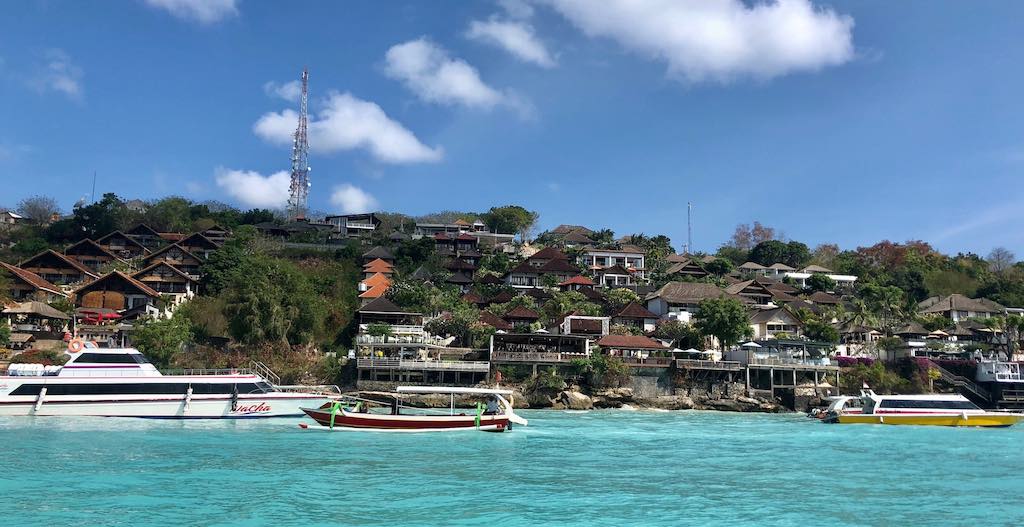
Why Visit Nusa Lembongan?
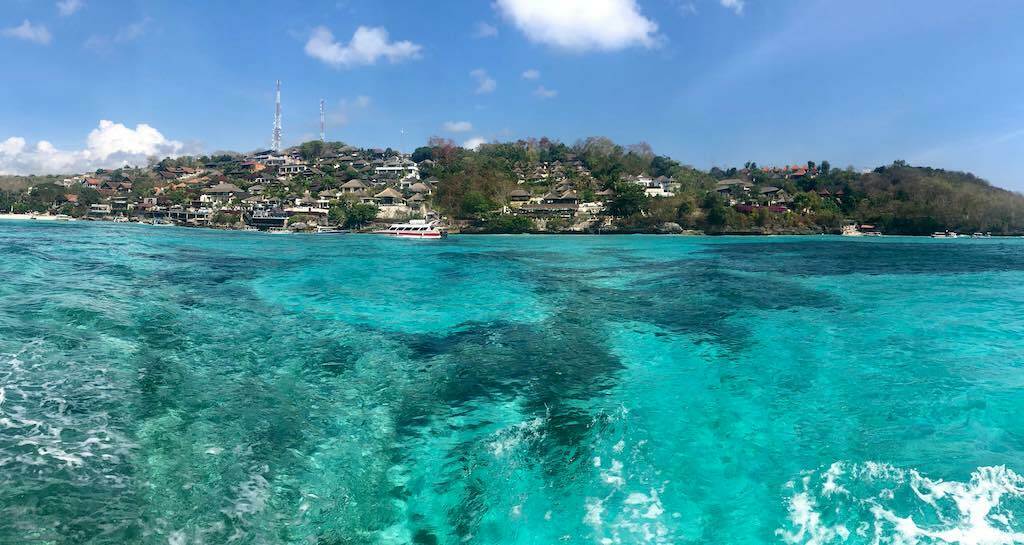
Nusa Lembongan is the kind of island that ruins you for the mainland. It sits just 30 to 40 minutes by fast boat off the southeast coast of Bali, yet it feels a world away from the scooter-choked streets of Canggu and Kuta. There are no traffic lights, no high-rises, and barely a car — just turquoise bays, seaweed farms, cliff-edge swimming holes, and a pace of life that slows your heart rate within the first hour. At only about 8 square kilometres, with a permanent population of around 5,000 people, you can ride a scooter from one side to the other in roughly 30 minutes, which makes it one of the easiest islands in Indonesia to explore in a day or two.
Why choose Nusa Lembongan?
Torn between Bali, Lembongan, and Nusa Penida? Here’s the quick version:
- 🏖️ Easy beaches & family-friendly → Nusa Lembongan
- 🤿 Easy snorkelling & diving → Lembongan (same sites as Penida)
- 🏄 Surfing → Lembongan
- 🌄 Dramatic cliffs & iconic viewpoints → Nusa Penida
- 🧭 Wild adventure & big landscapes → Penida
- ⏱️ Short trip (1–2 days) → Lembongan
👉 Best of all: combine them — the islands are only a 15-minute boat ride apart. Still unsure? See Nusa Lembongan or Nusa Penida.
What sets Lembongan apart from its bigger, wilder neighbour Nusa Penida is the balance: it has genuinely beautiful beaches and viewpoints, but it is small, walkable, and relaxed enough that you never feel like you are racing against the clock. You can snorkel in the morning, paddle through a mangrove forest after lunch, and watch the sun drop behind Mount Agung from a cliff bar in the evening. Add the neighbouring island of Nusa Ceningan — connected by the photogenic Yellow Bridge — and you have two islands’ worth of adventure within walking and scooter distance.
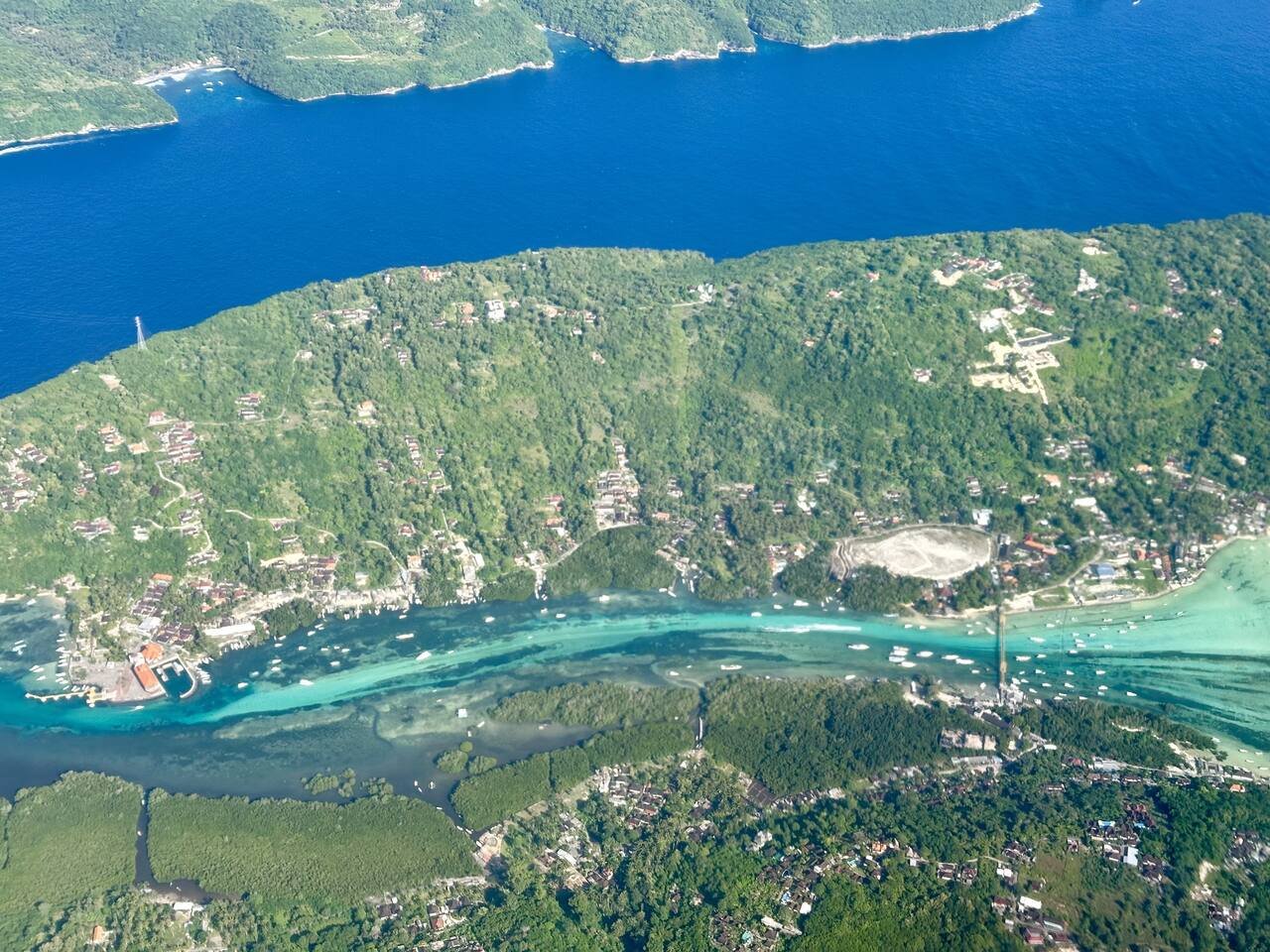
If you are still deciding between the islands, we cover the differences in detail in our guide to Nusa Lembongan or Nusa Penida. The short version: Lembongan is mellower and easier; Penida is wilder and more epic. Many travellers, including me, end up loving both.
Nusa Lembongan at a Glance
Here is everything you need to know about the island in one quick overview before we dive into the details.
| Location | Off the southeast coast of Bali, between Bali and Nusa Penida |
| Size & population | Around 8 km², roughly 5,000 permanent residents |
| How to get there | Fast boat from Sanur, 30–40 minutes (see our full ferry guide) |
| Ferry price | Around $13–22 one way (IDR 150,000–250,000) |
| Main areas | Jungutbatu (main hub), Mushroom Bay (calm, family-friendly) |
| Best time to visit | Dry season, April–October (best water clarity for snorkelling) |
| Ideal length of stay | 2–3 days (add a day for a Nusa Penida trip) |
| Getting around | Scooter rental ~$5–6/day; the island is hilly and roads can be rough |
| Don’t miss | Devil’s Tear, Dream Beach, the mangrove forest, Yellow Bridge to Ceningan, manta snorkelling |
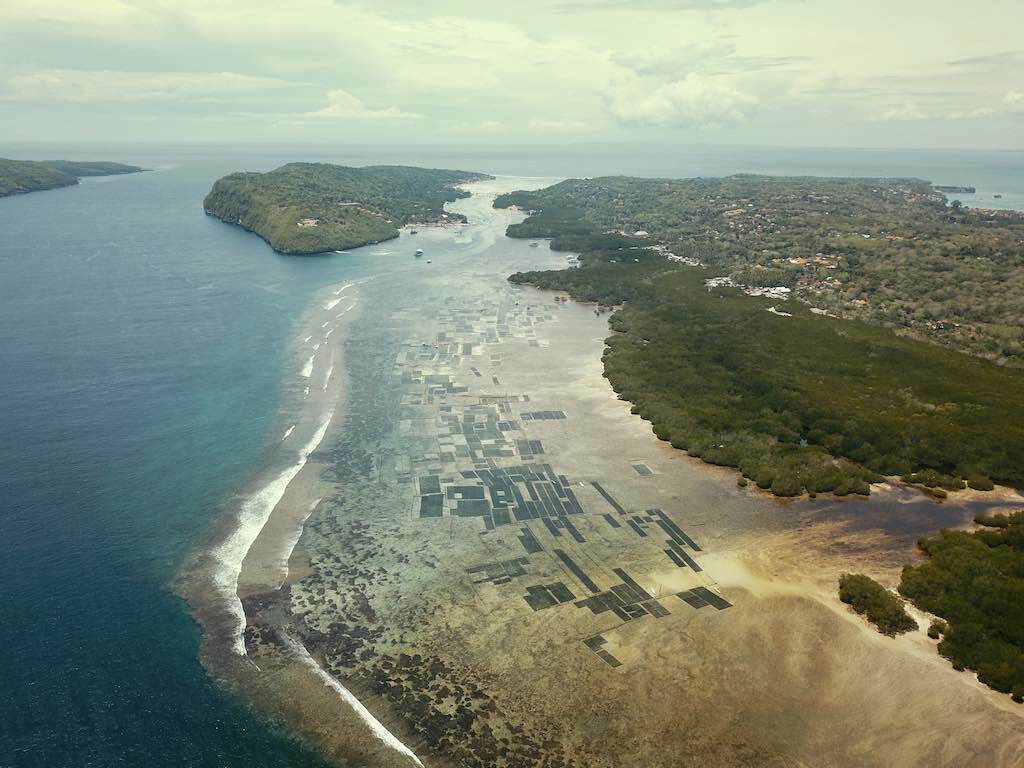
Tourism here took off about a decade ago and is concentrated along the north coast, which means the developed strip can feel a little saturated in high season — while the rest of the island, including a 212-hectare mangrove forest covering the entire east side, stays surprisingly quiet. Seaweed farming was once the island’s main livelihood, and you can still see the geometric farming plots in the channels around Ceningan, though the practice has largely faded as tourism has grown.
My Story: How a First Trip to Lembongan Changed My Life
I do not write about these islands from a hotel lobby. I first discovered Nusa Penida in 2015, and Nusa Lembongan holds a very specific place in my story — because it is, quite literally, where everything started.
On 18 February 2016, I made my first trip across to Nusa Lembongan. I was riding past a patch of land near the water when someone mentioned, almost in passing, that the plot was for sale. I could not stop thinking about it. Six months later, I bought it. And in August 2017, on that same piece of land, I opened my PADI 5-Star dive centre, Dune Penida — today shared with the Adiwana Warnakali hotel that now stands on the spot. A single boat ride to Lembongan turned into a new life in the Nusa islands.

These days I get over to Lembongan by land about once a year, but by sea — for diving and snorkelling — I am there constantly. That means the advice in this guide is not scraped from other blogs: it comes from years of crossing this channel, watching the currents, learning which beaches are calm on which swell, and seeing how the island has changed as tourism has grown. When I tell you a particular bay is rough in the afternoon or that a viewpoint is best at a certain tide, it is because I have been there, repeatedly, in every season.
Best Things to Do in Nusa Lembongan
For a small island, Lembongan packs in a surprising variety of things to do. Here are the experiences worth building your trip around.
Watch the waves explode at Devil’s Tear
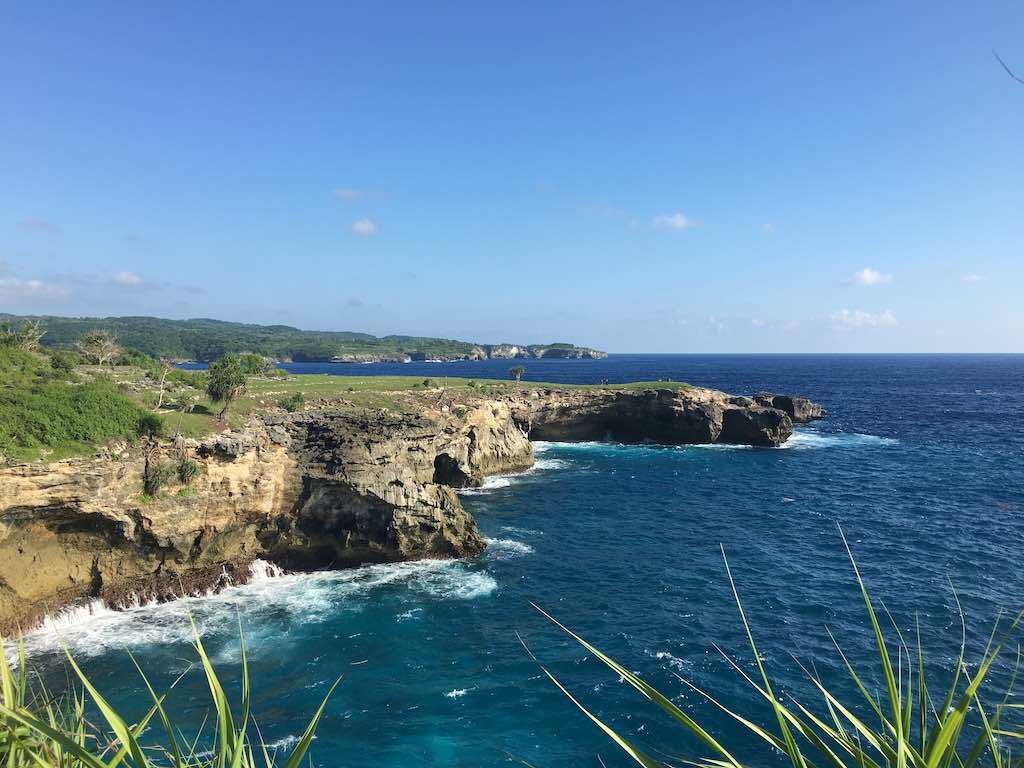
Devil’s Tear is the island’s signature natural spectacle. On the rocky southwest coast, just a short walk from Dream Beach, the swell surges into a series of cave pools and blowholes and then erupts back out with a roar and a curtain of spray. On a big swell it is genuinely dramatic, and the late afternoon light makes it a favourite sunset spot. The water in the cove below is crystal clear, and you can sometimes spot green sea turtles cruising in the calmer pools. Stay well back from the edge — the rocks are slippery and rogue waves are a real danger here.
Paddle through the mangrove forest
On the calm northeast side of the island, the 212-hectare mangrove forest is one of Lembongan’s most peaceful experiences. You can glide through the winding channels by traditional boat, kayak, or stand-up paddleboard. A guided boat tour lasts around 40–50 minutes and costs roughly IDR 100,000 per person — you can simply turn up and pay on the spot, no advance booking needed. Go early, when the water is glassy and the light filters through the canopy.
Cross the Yellow Bridge to Nusa Ceningan
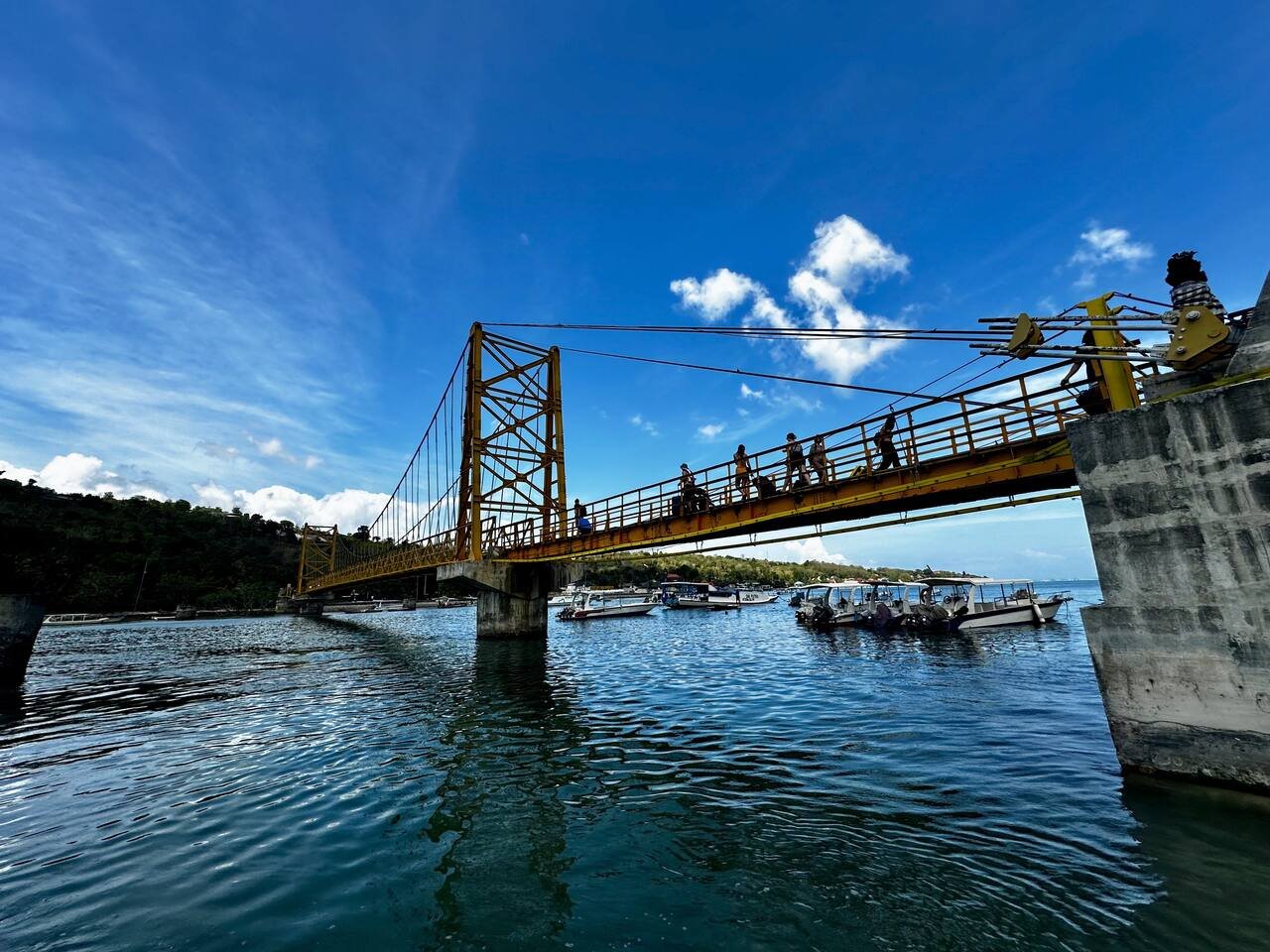
The bright Yellow Bridge is a narrow pedestrian-and-scooter bridge linking Lembongan to its tiny sister island, Nusa Ceningan. It has a dramatic backstory: the original bridge collapsed in 2016, and the Balinese government rebuilt it — sturdier this time. Today it is an attraction in its own right and the gateway to the famous Blue Lagoon viewpoint, the Mahana Point cliff jump and surf break, and some of the most photographed seaweed-farming channels in the Nusa islands. We cover all of it in our dedicated Nusa Ceningan guide.
Try surfing
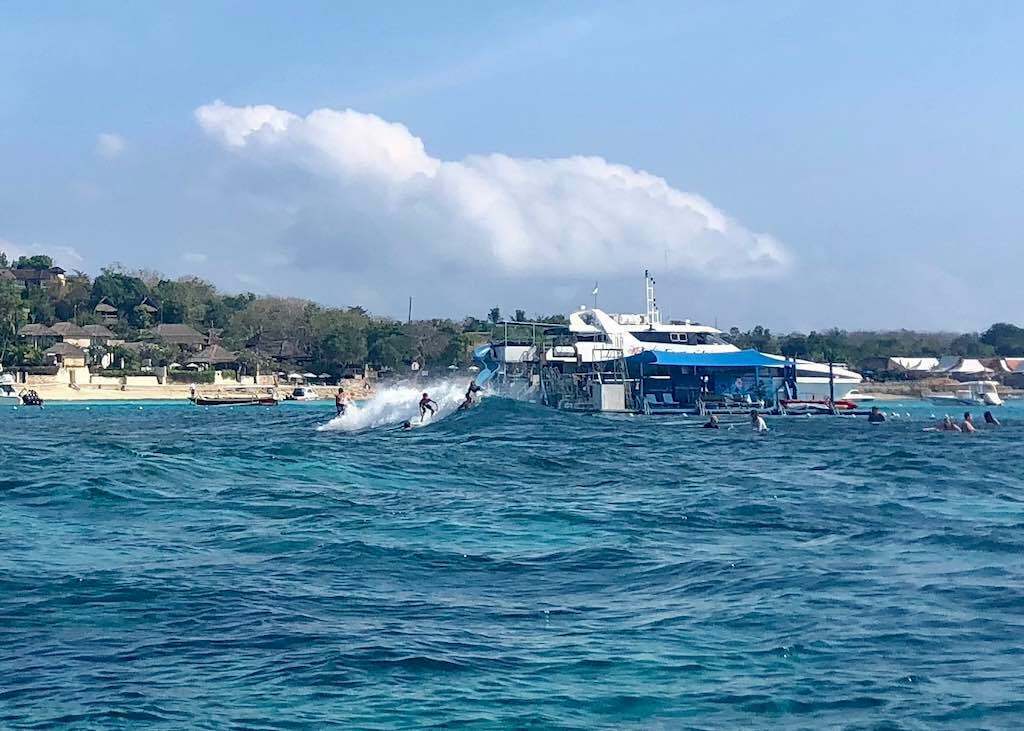
Lembongan offers reliable, year-round waves. Beginners and intermediates can take lessons around Coconut Beach, while more confident surfers head for the reef breaks off Jungutbatu — Shipwrecks, Lacerations, and Playgrounds — or the punchier Mahana Point break over on Ceningan. These are reef breaks, so respect the conditions and ask locally about tides before paddling out.
The Best Beaches on Nusa Lembongan
Dream Beach
The island’s most famous stretch of sand, Dream Beach is a pocket of golden sand framed by dramatic cliffs and pounding surf. It is reached by a short staircase from the road and is perfect for sunbathing, photos, and a swim when the waves cooperate — though the shore break can be powerful, so take care. The adjacent Dream Beach Huts pool area is a popular spot to relax with a view.
Mushroom Bay
Calmer and more sheltered than the south-coast beaches, Mushroom Bay is the most family-friendly spot on the island, with soft sand, gentle water, beachfront dining, and easy access for swimming and paddleboarding. It is also a common arrival point for boats from Bali, so it has a lively, social feel.
Jungutbatu Beach
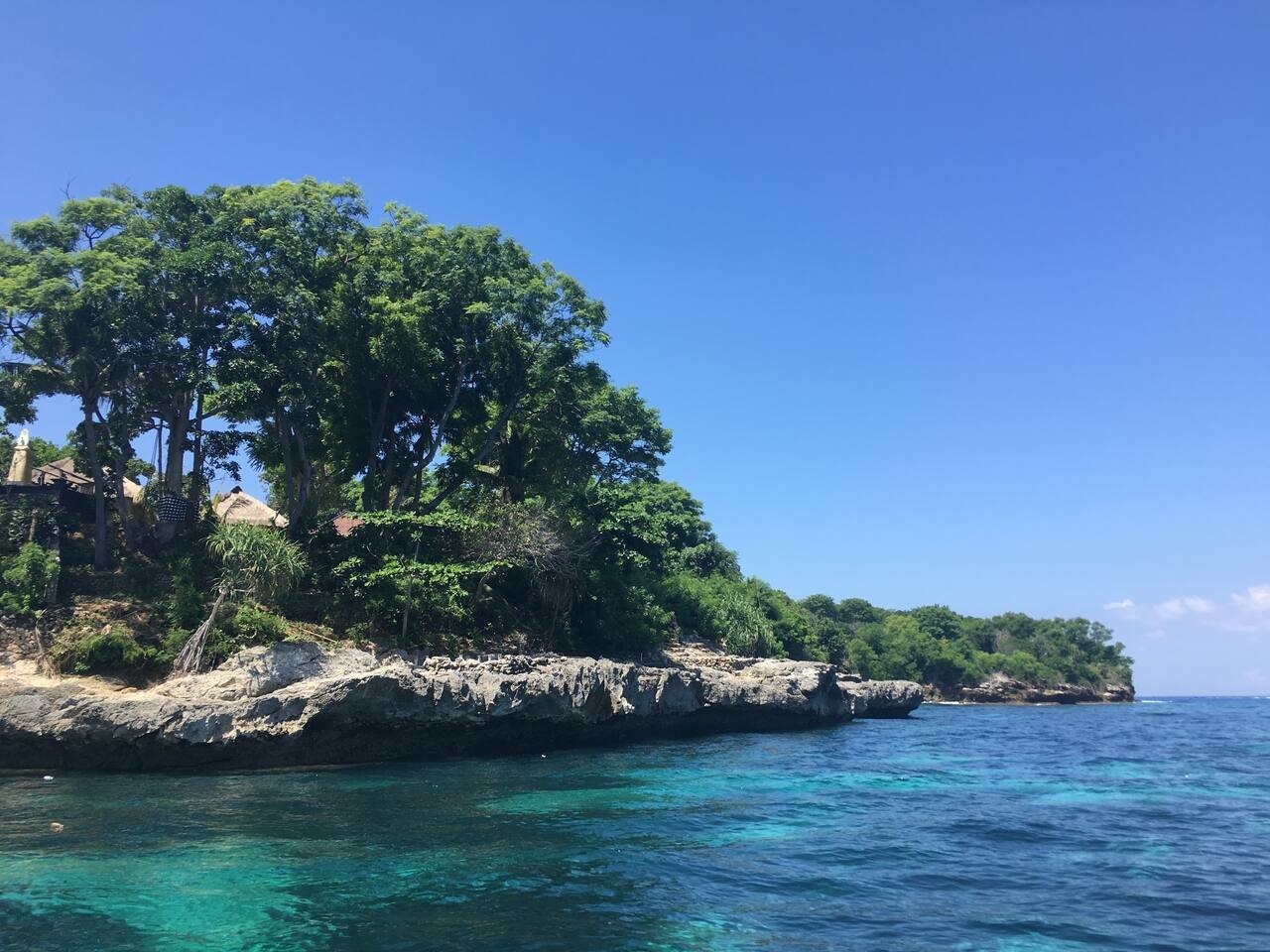
The island’s main hub, Jungutbatu is a long curve of white sand backed by the biggest concentration of restaurants, bars, and accommodation. It is the best base for first-time visitors who want everything within walking distance, and the sunsets over Mount Agung from here are superb.
Sandy Bay
Tucked on the western side near Dream Beach, Sandy Bay is best known for Sandy Bay Beach Club — a great place to watch the waves crash while enjoying a cocktail or a barbecue at sunset. The swimming is better at high tide.
Snorkelling and Diving Around Nusa Lembongan
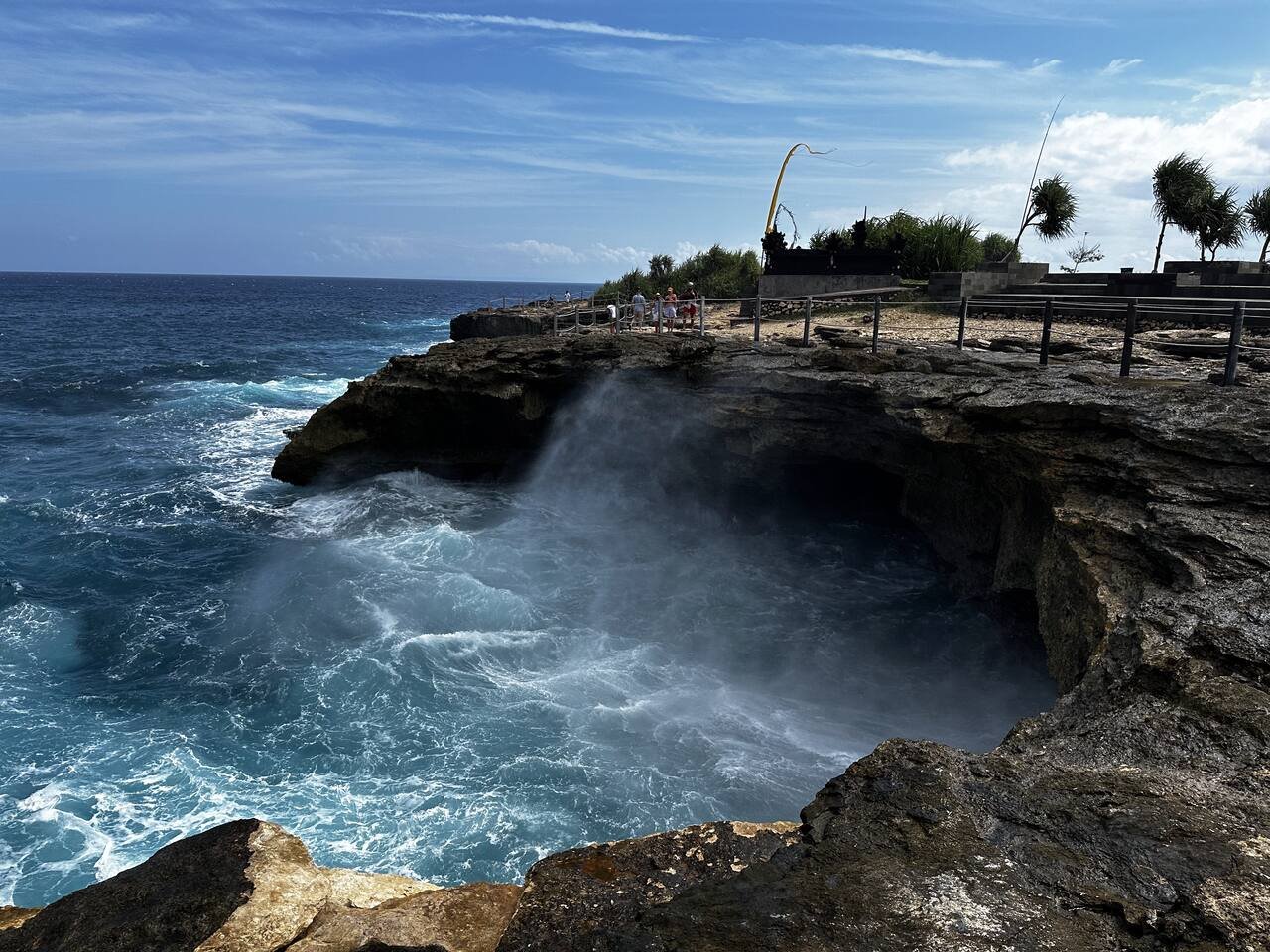
This is the part of the island I know best. The waters around Lembongan, Ceningan, and Penida form one of the richest marine areas in Bali, and a snorkelling or diving trip here is, for many people, the highlight of the whole visit. In practice, the dive centres on Lembongan and Penida visit the same sites and run snorkelling trips from both islands, so you do not have to be based on a particular island to reach the best dive sites.
Manta Point and Manta Bay
Off the southern coast of nearby Nusa Penida, Manta Point and Manta Bay are where you go to swim with manta rays — gentle giants that glide through the plankton-rich water year-round. Sightings are never guaranteed (conditions and swell decide whether boats can safely enter), but on a good day it is one of the most unforgettable experiences in Indonesia. Most snorkelling trips from Lembongan include this as the headline stop.
Crystal Bay
Famous for its exceptional visibility and vibrant coral gardens, Crystal Bay is excellent for both snorkelling and diving. Between roughly July and October it is also one of the prime spots in the region to encounter the elusive Mola Mola (oceanic sunfish) as they rise from the deep — a bucket-list sighting for divers.
Mangrove Point and Blue Corner
Off the northern tip of Lembongan, Mangrove Point is a calmer, less crowded snorkelling site with healthy coral and a high density of reef fish — a great option for less confident swimmers or for a relaxed second stop. Right nearby, Blue Corner is a more advanced dive site known for strong currents and big pelagic life — one for confident, current-experienced divers.
A safety note from experience: the channels between these islands have strong, unpredictable currents. Always go with a reputable operator who knows the tides, wear a life jacket on snorkelling trips if you are not a strong swimmer, and never enter the water at sites like Manta Bay if the crew judges conditions unsafe. This is not the place to cut corners on price for safety.
A Suggested Nusa Lembongan Itinerary
Two full days is enough to see the island comfortably; three lets you add a snorkelling trip or a day on Nusa Penida. Here is how I would structure it.
Day 1 — Lembongan highlights
Arrive on a morning boat, drop your bags, and rent a scooter. Spend the morning at the mangrove forest while the water is calm, then loop down the west coast to Dream Beach and Devil’s Tear for the afternoon and sunset. Have dinner along Jungutbatu beachfront.
Day 2 — Ceningan and the water
Cross the Yellow Bridge to Nusa Ceningan, visit the Blue Lagoon viewpoint, and watch (or attempt) the Mahana Point cliff jump. In the afternoon, join a snorkelling tour to Manta Point, Crystal Bay, and Mangrove Point — or take a surf lesson if the waves are friendly.
Day 3 (optional) — Nusa Penida
Take a boat across to Nusa Penida for the iconic Kelingking Beach, Angel’s Billabong, and Broken Beach. A local public boat makes the short hop in about 15 minutes for as little as IDR 60,000, and you can rent a scooter on arrival. It is a long but spectacular day — plan it with our Nusa Penida travel guide.
Where to Eat on Nusa Lembongan
The island’s food scene ranges from cheap local warungs to stylish beach clubs. A few reliable favourites:
- Warungs: Soka Warung near Mushroom Bay for Balinese classics at low prices, Ketut’s Warung down an alley in Jungutbatu for hearty local food, and Little Prema for grilled fish and prawns under the stars.
- Cafés & brunch: Ombak Zero Waste Cafe on the Jungutbatu beachfront, Bali Eco Deli (open 7:00 AM–9:00 PM), and Delight Bakery for coffee and pastries.
- Restaurants: Kayu, set inside a 90-year-old Joglo, for a more memorable dinner, and Lemongrass on the Jungutbatu main road for well-presented Indonesian and Western dishes.
- Beach clubs: Sandy Bay Beach Club for a romantic seaside meal and Mahagiri Beach Club for a pool day (minimum spend around IDR 200,000 per person).
Where to Stay on Nusa Lembongan
The two best areas to base yourself are Jungutbatu (the main hub, everything walkable) and Mushroom Bay (calmer, more family-friendly). Lembongan has more developed accommodation than Penida, including a good number of upscale resorts and villas. Here are solid options for every budget.
Luxury
Hai Tide Beach Resort has the best location of any resort on the island, with bungalows opening straight onto the sand at Mushroom Bay and a pool area reserved for guests. Morin Resort is a smart hilltop option near Coconut Bay with panoramic views.
Mid-range
Pattri Garden is a five-minute walk from Mushroom Beach with a garden and pool, while Royal Cottages at Nusa Lembongan offers great value within walking distance of Mushroom Bay. The Palm Grove Villas regularly lists rooms from around $52 per night.
Budget
Castaway Hostel near Mushroom Beach keeps costs low with breakfast included and consistently strong reviews — a great pick for solo travellers and backpackers.
How to Get to Nusa Lembongan
Getting to Lembongan is straightforward: take a fast boat from Sanur on Bali’s southeast coast. Eight companies run this route, the crossing takes 30–40 minutes, with over ten daily departures year-round, and one-way tickets run roughly $13–22 (IDR 150,000–250,000). Boats arrive at Jungutbatu, Mushroom Bay, or the Rocky private harbour. Booking a round trip can save you up to 25% versus two single fares.
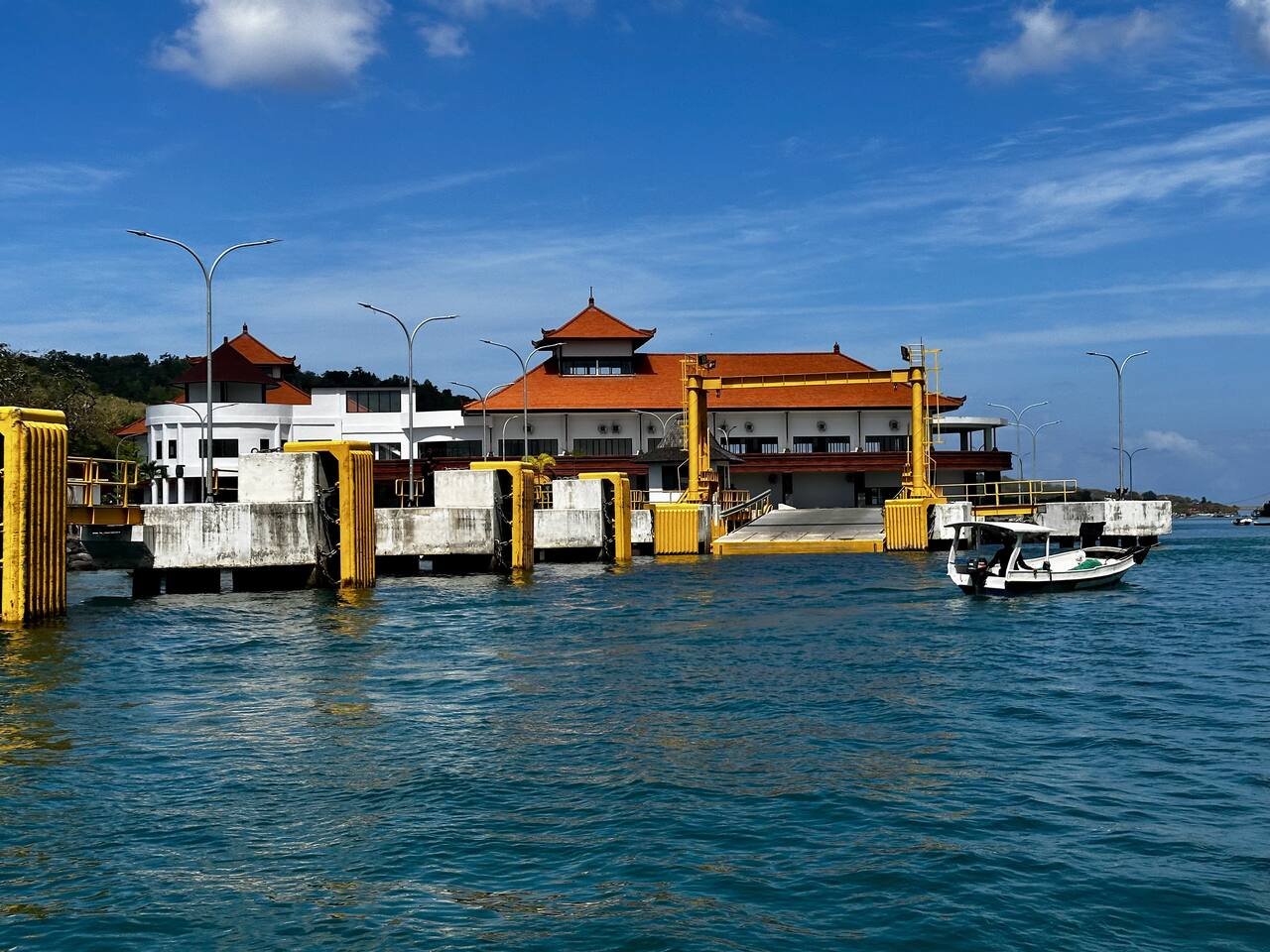
You can compare schedules and book your boat with 12Go. For the complete breakdown of operators, departure points, and tips, see our dedicated guide on how to get to Nusa Lembongan from Bali.
Practical Tips for Visiting Nusa Lembongan
Getting around
Most visitors rent a scooter for around IDR 75,000–100,000 ($4.50–6) per day; just ask your accommodation. The island is small but hilly, with steep, sandy, or rough sections near the south coast and the cliffs, so ride slowly and check the brakes before you set off — the bikes here are older than on mainland Bali. Only rent if you are genuinely comfortable on two wheels; accidents do happen. There are no app-based taxis, but you can arrange local transport and tours through your hotel.
Best time to visit
The dry season, roughly April to October, brings the calmest seas and best underwater visibility — ideal for snorkelling and diving. July to October is peak Mola Mola season. The wet season (November to March) is quieter and greener but can bring rougher crossings and choppier water.
Money and essentials
There are ATMs on the island but they can run out of cash and charge fees, so bring enough rupiah from Bali. Many smaller warungs are cash-only. Pack reef-safe sunscreen, a refillable water bottle, and motion-sickness tablets if you are prone to seasickness on the crossing.
Read More
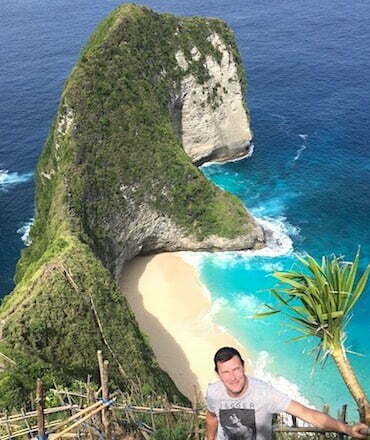
Nusa Penida Travel Guide
Discover where to stay in Nusa Penida, the island’s most beautiful beaches, top viewpoints, manta ray snorkelling, practical travel tips, and detailed itineraries to plan the perfect trip. Read more
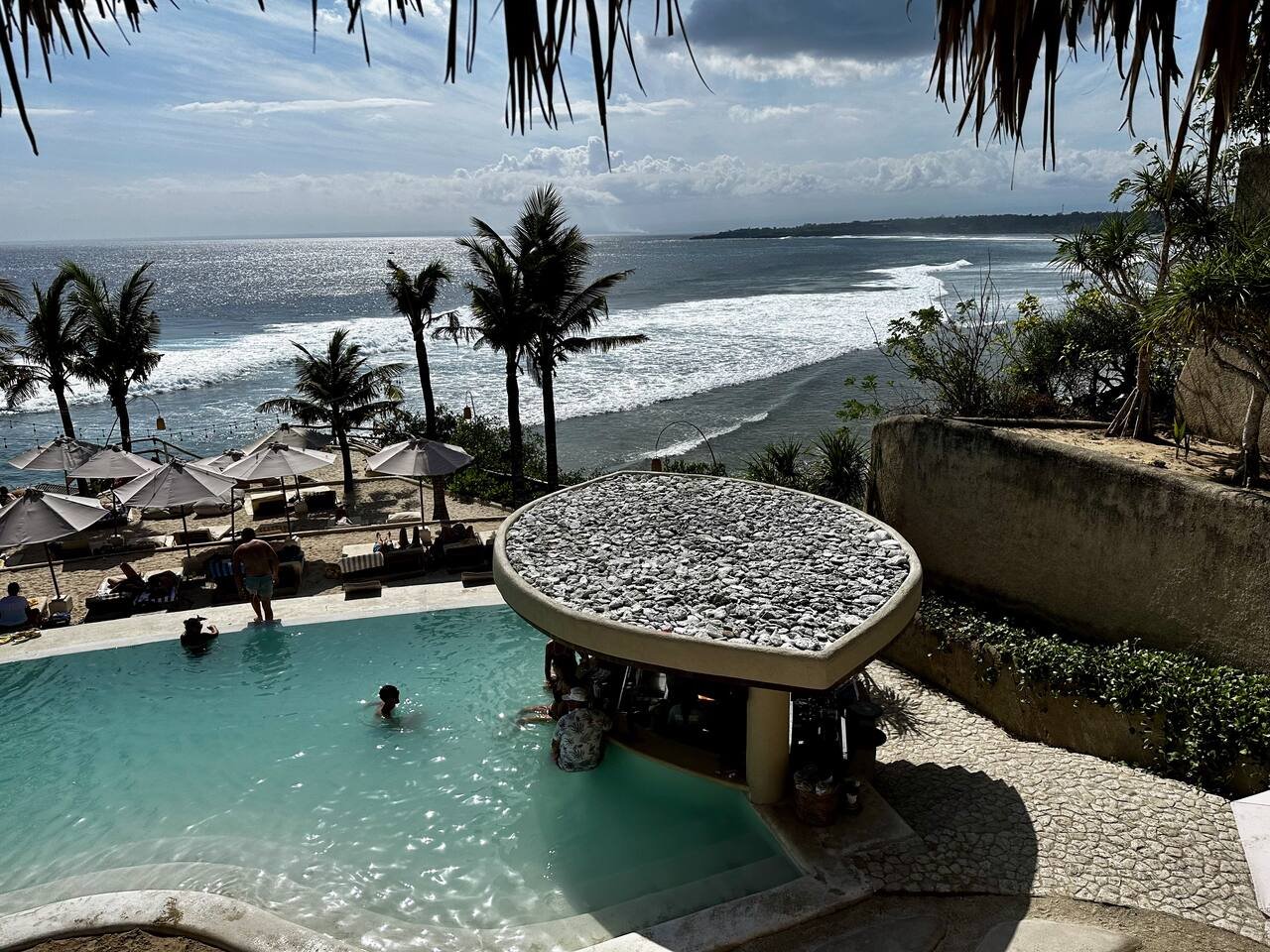
Nusa Ceningan Guide
Cross the Yellow Bridge to explore the Blue Lagoon, the Mahana Point cliff jump, secret beaches, and the laid-back seaweed-farming island next door. Read more
Lembongan or Nusa Penida?
Not sure which island to choose? We compare the beaches, vibe, accommodation, and ease of getting around to help you decide. Read more
Frequently Asked Questions About Nusa Lembongan
Is Nusa Lembongan worth visiting?
Yes. Nusa Lembongan is one of the easiest and most rewarding island escapes from Bali, with beautiful beaches, world-class snorkelling and diving, and a relaxed, car-free atmosphere — all just 30–40 minutes by fast boat from Sanur. It is especially good if you want the Nusa-islands experience without the long drives and rough roads of Nusa Penida.
How many days do you need in Nusa Lembongan?
Two full days is enough to see the main sights of Lembongan and cross to Nusa Ceningan. Add a third day if you want a snorkelling tour or a day trip to Nusa Penida.
What is the population of Nusa Lembongan?
Nusa Lembongan has a permanent population of around 5,000 people, spread mainly across the villages of Jungutbatu and Lembongan on an island of roughly 8 square kilometres.
How do you get to Nusa Lembongan from Bali?
Take a fast boat from Sanur, which takes 30–40 minutes and costs around $13–22 one way. There are more than ten daily departures year-round, arriving at Jungutbatu, Mushroom Bay, or the Rocky harbour.
Is Nusa Lembongan better than Nusa Penida?
Neither is “better” — they suit different travellers. Lembongan is smaller, calmer, and easier to get around, with gentler beaches and a walkable hub. Nusa Penida is bigger and wilder, with more dramatic viewpoints like Kelingking Beach but rougher roads. Many visitors enjoy combining both.
Can you see manta rays from Nusa Lembongan?
Yes. Snorkelling and diving trips from Lembongan visit Manta Point and Manta Bay off nearby Nusa Penida, where manta rays are seen year-round. Sightings depend on ocean conditions, but the chances are good, especially in calm seas.
What is the best time to visit Nusa Lembongan?
The dry season from April to October offers the calmest seas and best underwater visibility. July to October is the prime season for spotting Mola Mola (oceanic sunfish) while diving.
Do you need a scooter on Nusa Lembongan?
A scooter (around $5–6 per day) is the most convenient way to explore, but the island is small enough that you can also get around on foot in the main areas or arrange local transport through your hotel. Only ride if you are confident, as the roads are hilly and can be rough.
Where should you stay on Nusa Lembongan?
Jungutbatu is the best base for first-timers who want restaurants and nightlife within walking distance, while Mushroom Bay is calmer and more family-friendly. Both have accommodation for every budget, from hostels to beachfront resorts.
About the author — Blaise Jaeger
Blaise Jaeger discovered Nusa Penida in 2015 and opened the island’s first PADI dive centre, Dune Penida, in 2017 — after a first trip to Nusa Lembongan in 2016 led him to buy the land. He lived on Nusa Penida in 2020–2021 and is now based in Bali, diving and snorkelling these waters constantly. He writes about the Nusa islands from first-hand, on-the-ground experience.