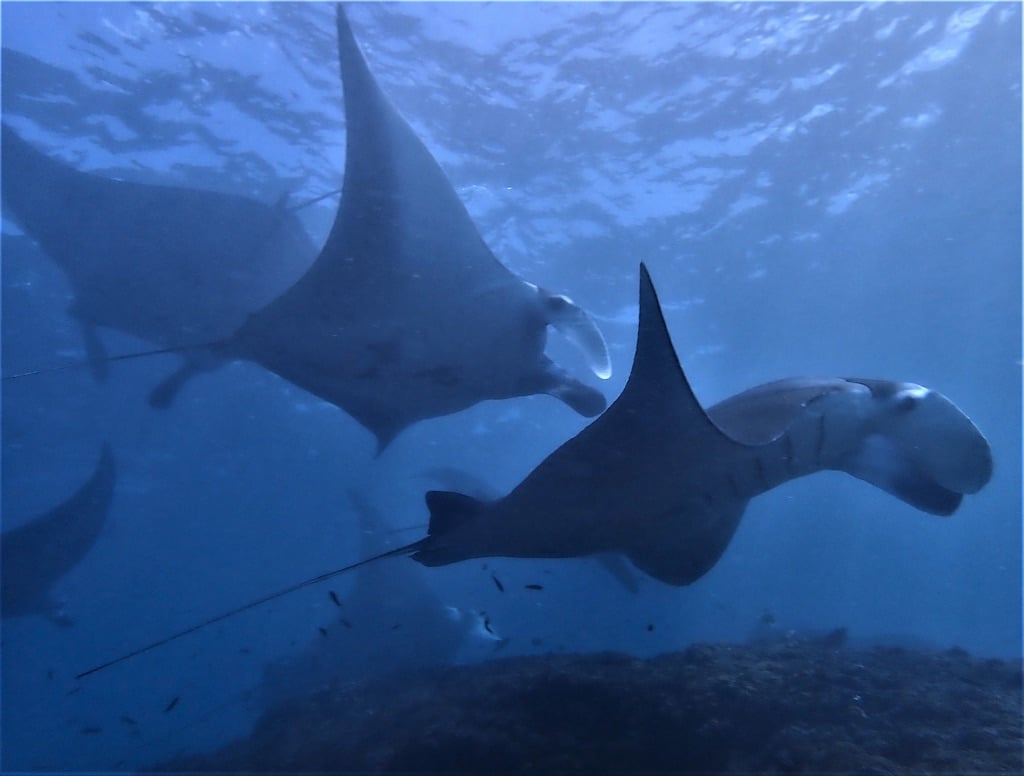
If you want to see manta rays in Bali, Manta Point in Nusa Penida is by far the most reliable spot — with sightings almost every day of the year.
Unlike many other places, manta rays here often swim in shallow water and even close to the surface, making it one of the rare locations where you can experience them both while diving and snorkeling.
👉 To learn more about their behavior, seasonality, and the best places to encounter them, read our complete guide to manta rays in Nusa Penida.
But is Manta Point really worth it? Is it better than Manta Bay? And what can you actually expect underwater?
👉 In this complete guide, I share my real diving experience at Manta Point — including conditions, marine life, and practical tips to help you decide if this iconic dive site should be on your itinerary.
Why Manta Point is the Best Place to See Manta Rays in Bali
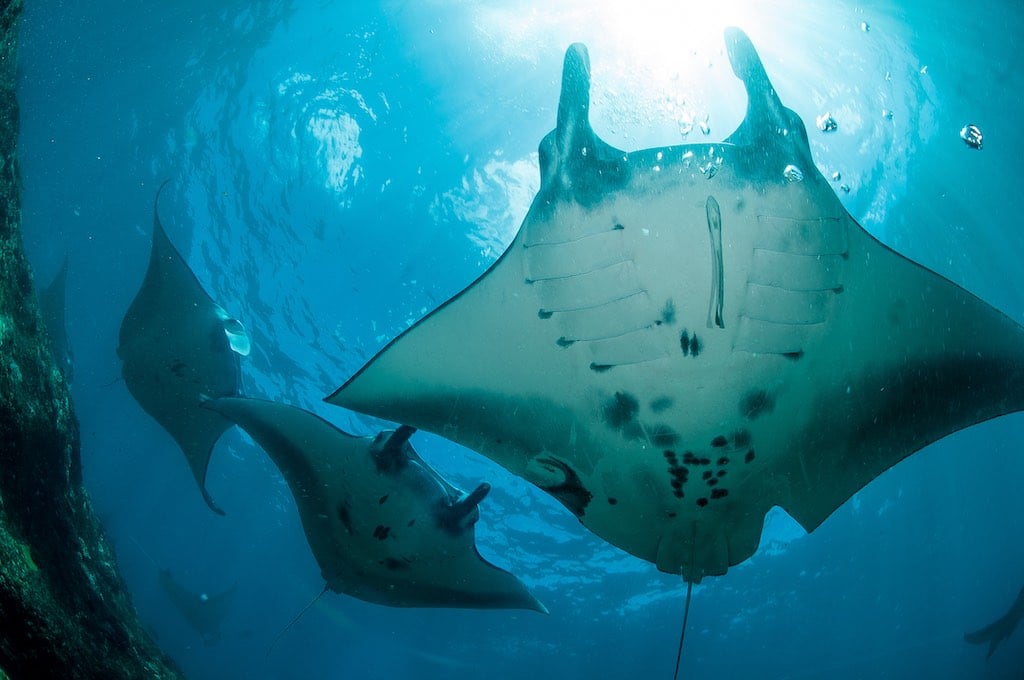
Manta Point in Nusa Penida is widely considered the most reliable location in Bali to encounter manta rays, with sightings possible almost every day of the year.
Unlike other spots where encounters depend heavily on luck, manta rays here regularly visit shallow cleaning stations, often staying for several minutes and allowing divers and snorkelers to observe them calmly and respectfully.
👉 To better understand their behavior, seasonality, and where else to see them in Bali, read our complete guide to manta rays in Bali.
What to expect at Manta Point Nusa Penida
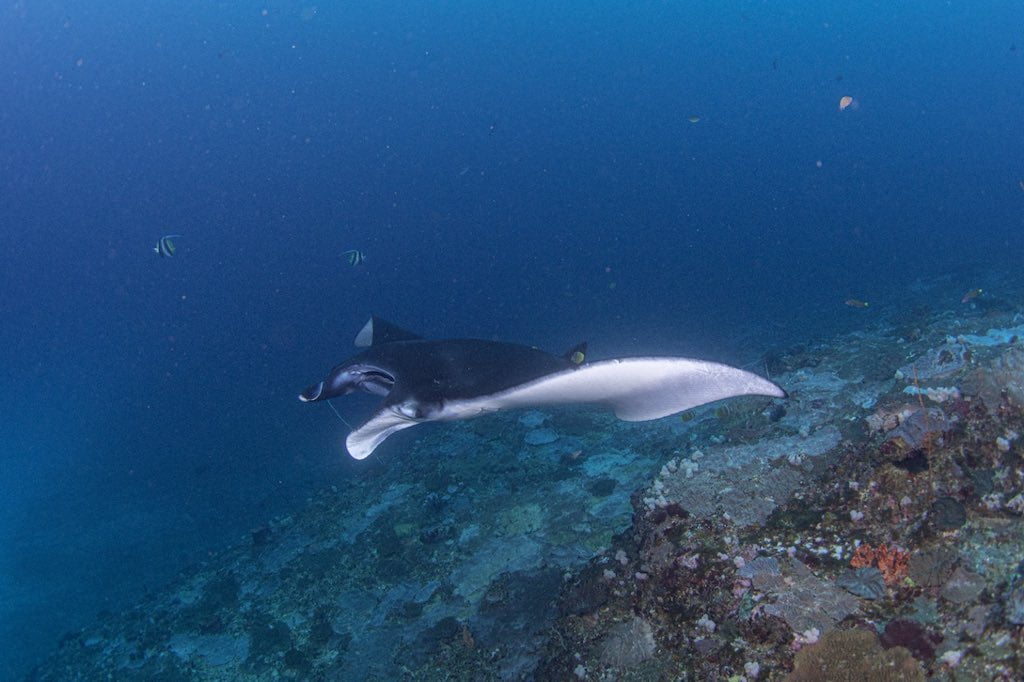
A typical dive at Manta Point starts over a sandy seabed before moving toward a series of rocky cleaning stations, where most of the action happens.
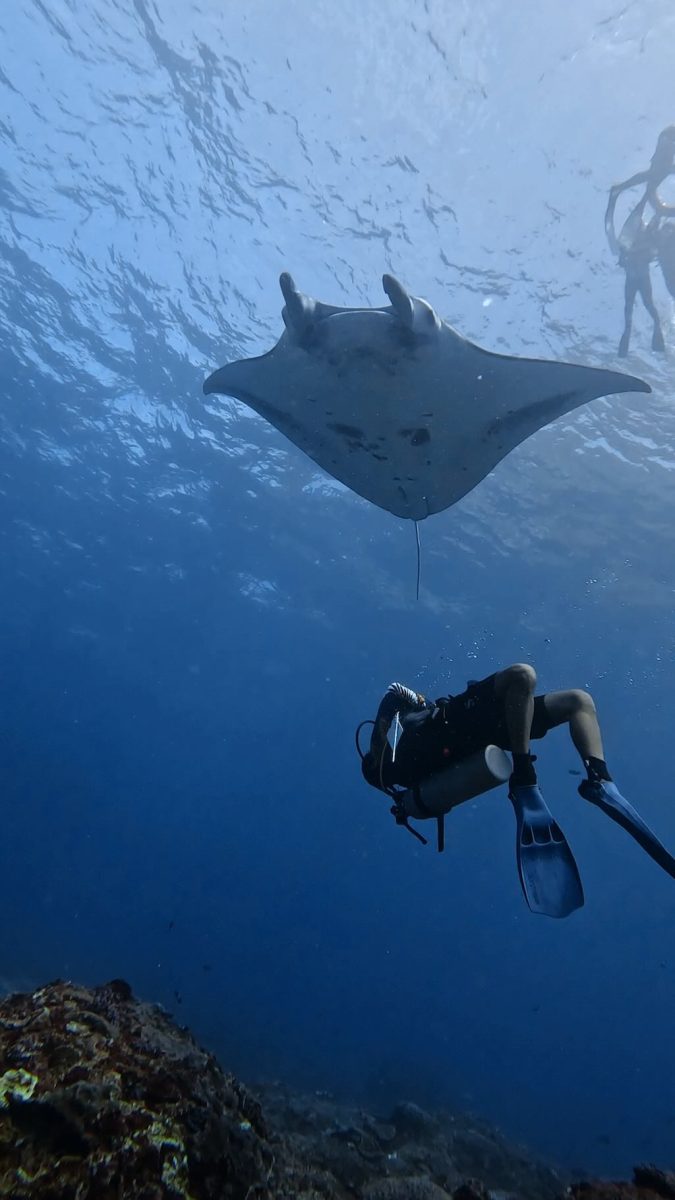
Very quickly, manta rays begin to appear — often gliding just above divers, circling slowly in the current, and sometimes coming within just a few meters. The experience is calm, almost hypnotic, and very different from faster-paced dive sites around Bali.
As the dive continues, you usually move across a large coral plateau to reach a second cleaning area. This part of the site offers a mix of encounters, from reef fish and macro life to occasional surprises on the wall, including reef sharks or larger pelagic species.
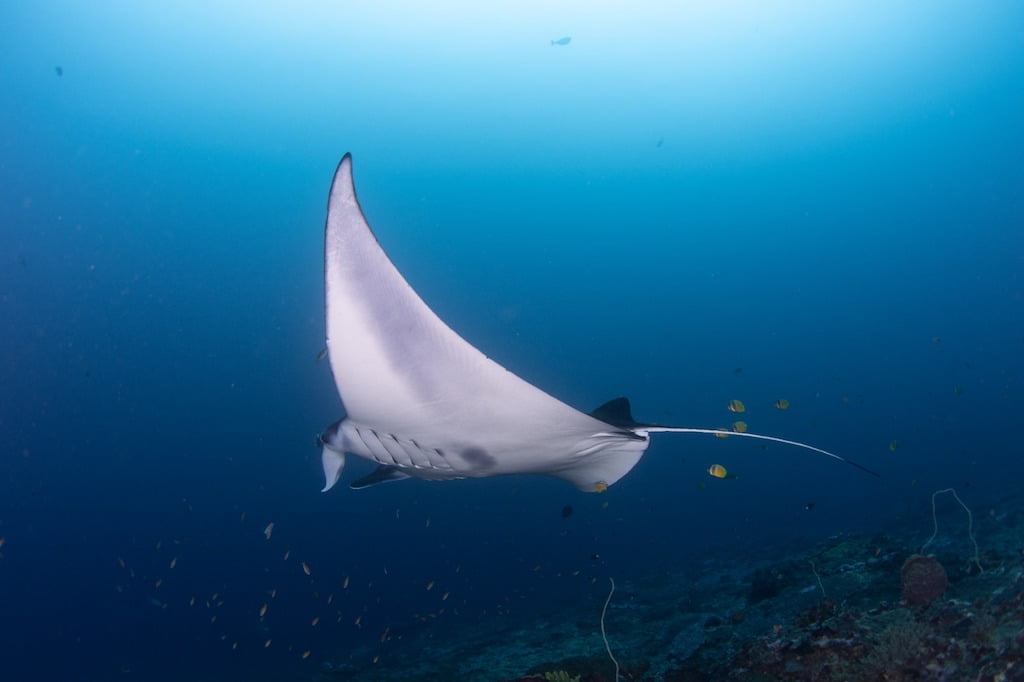
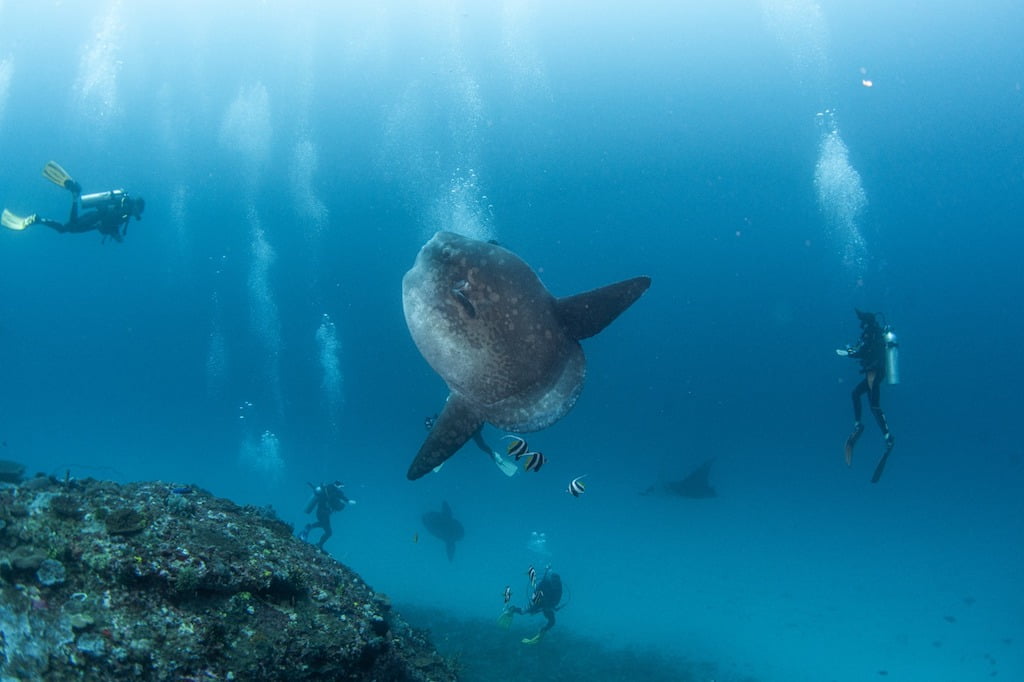
While manta rays are the highlight, Manta Point is far more diverse than many expect. Divers regularly encounter bamboo sharks, blue-spotted stingrays, nudibranchs, shrimps, and other macro species hidden across the reef. During the right season, it’s even possible to spot Mola Mola along the deeper sections.
👉 For a complete overview of marine life in the area, see our guide to diving in Nusa Penida.
Watch what a typical dive at Manta Point looks like:
Where is Manta Point Nusa Penida?
Manta Point is located on the southwest coast of Nusa Penida, along one of the most spectacular cliff sections of the island.
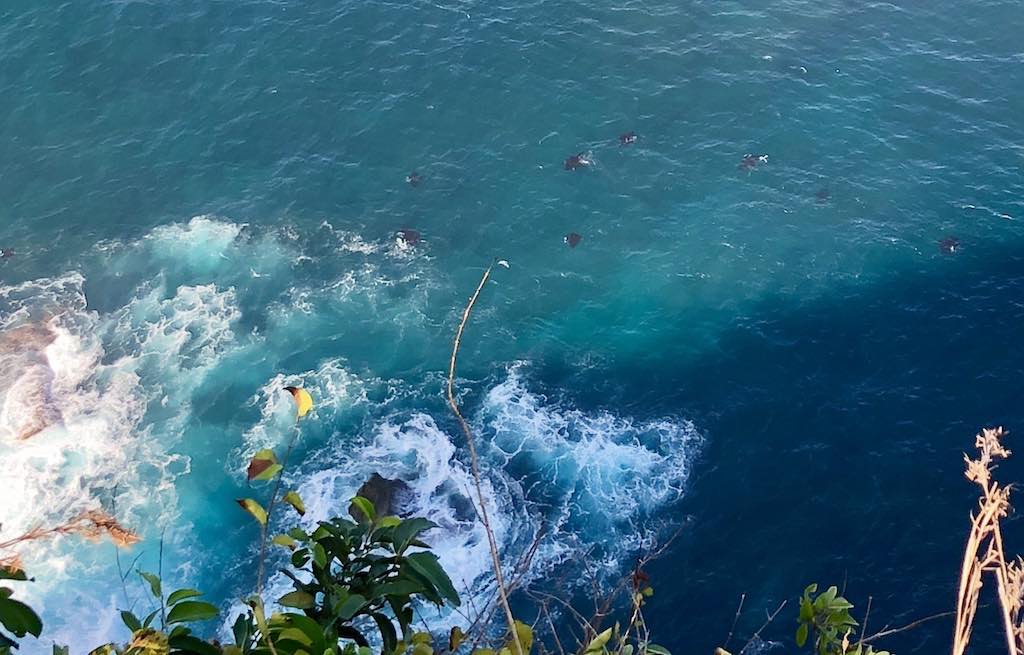
While it’s possible to see manta rays from above near Peguyangan viewpoint, access to the water is only possible by boat.
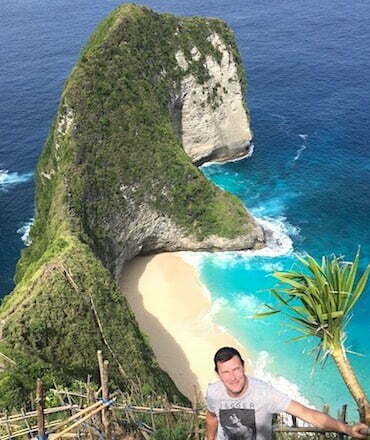
From Toyapakeh, the journey takes around 45 minutes and follows the stunning west coast of the island, passing iconic landmarks such as Crystal Bay, Kelingking Beach, and Broken Beach before reaching Manta Point.
Snorkeling vs Diving at Manta Point: Which One Should You Choose?
At Manta Point in Nusa Penida, both snorkeling and diving offer incredible opportunities to encounter manta rays — but the experience can be very different depending on how you choose to explore the site.
Snorkeling at Manta Point (and Manta Bay)
Most snorkeling tours in Bali operate at Manta Bay, located near Broken Beach, as it is closer and easier to access. Sightings are frequent, with around an 80% chance of seeing manta rays, but the experience can sometimes feel crowded, with multiple boats and snorkelers entering the water at the same time.
At Manta Point, snorkeling is less common but generally more controlled. Groups are better briefed, interactions tend to be more respectful, and the overall experience feels calmer and safer — especially when conditions are good.
Snorkeling is ideal if you prefer to stay at the surface and still enjoy a chance to see manta rays gliding just below you.
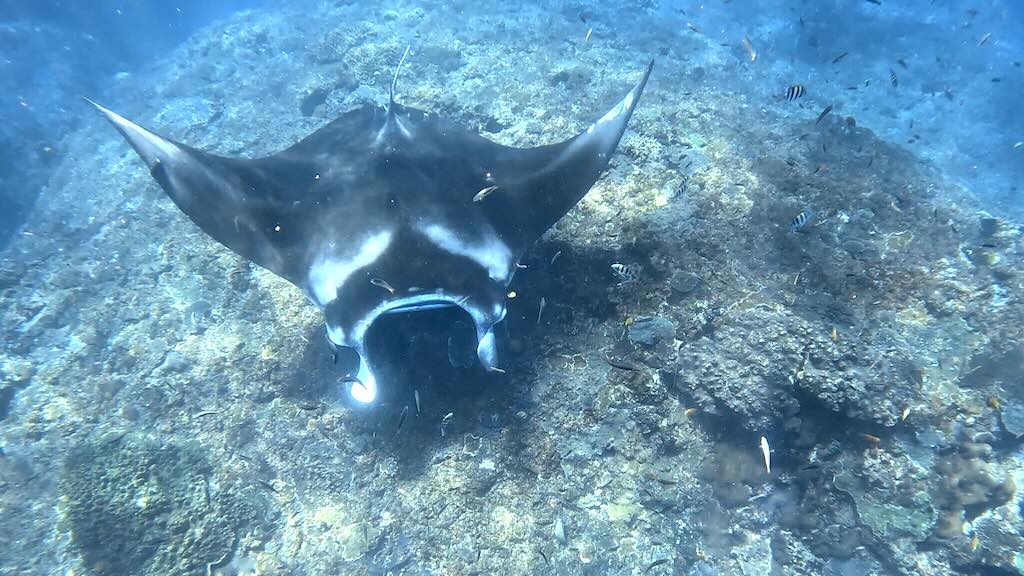
Diving at Manta Point
Scuba diving offers a completely different level of immersion. Instead of observing from above, divers remain at the cleaning stations, where manta rays often circle slowly for several minutes.
This allows for longer and closer encounters, as well as the opportunity to explore the surrounding reef, where you may also encounter bamboo sharks, stingrays, macro life, and occasionally larger species.
Diving at Manta Point is accessible even for beginners, thanks to the relatively shallow depth and generally mild conditions.
So, which one is better?
- Choose snorkeling if you want a quick, accessible, and surface-level experience
- Choose diving if you want longer, closer, and more immersive encounters
👉 In short: snorkeling is impressive — but diving is unforgettable.
Manta Point at Sunset & Night Diving: A Unique Experience
Most divers visit Manta Point during the day — but what happens after sunset?
Curious to find out, we decided to try something different with the team at Dune Penida Dive Center. As far as we knew, very few — if any — divers had explored this dive site at night to see whether manta rays were still present after dark.
Conditions were perfect: a calm sea, a bright full moon, and excellent visibility. We left Toyapakeh harbor around 6 PM and reached the site just as the sun was setting over the cliffs of Nusa Penida — a spectacular moment and one of the most beautiful approaches to the site.
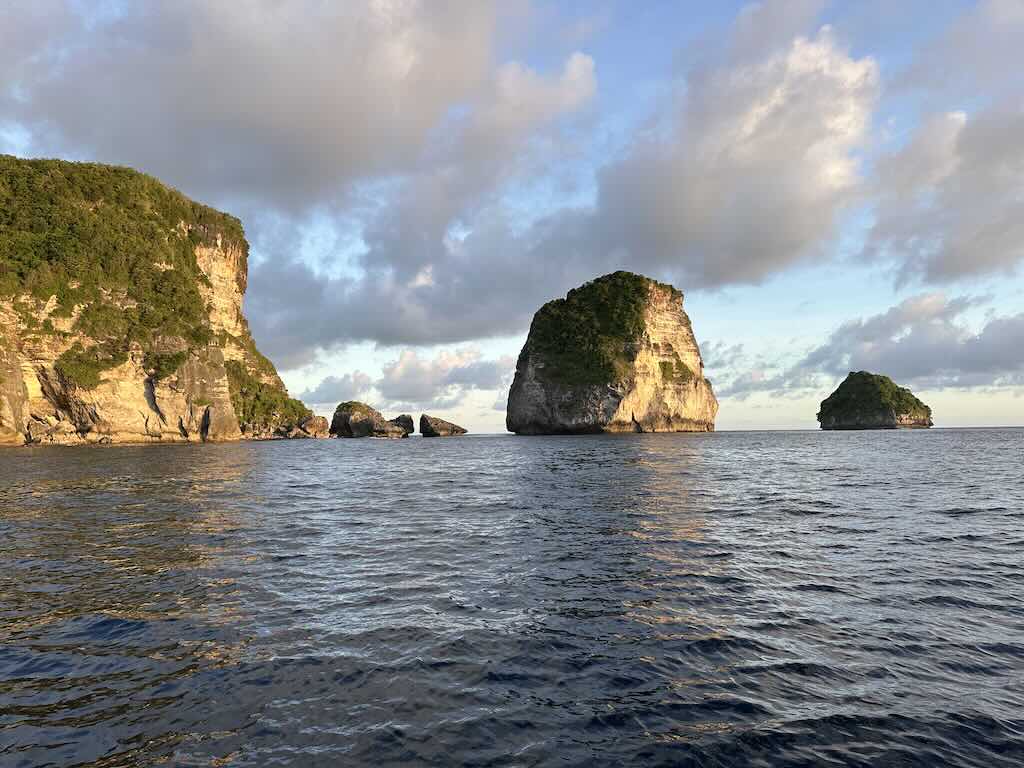
Night dive at Manta Point
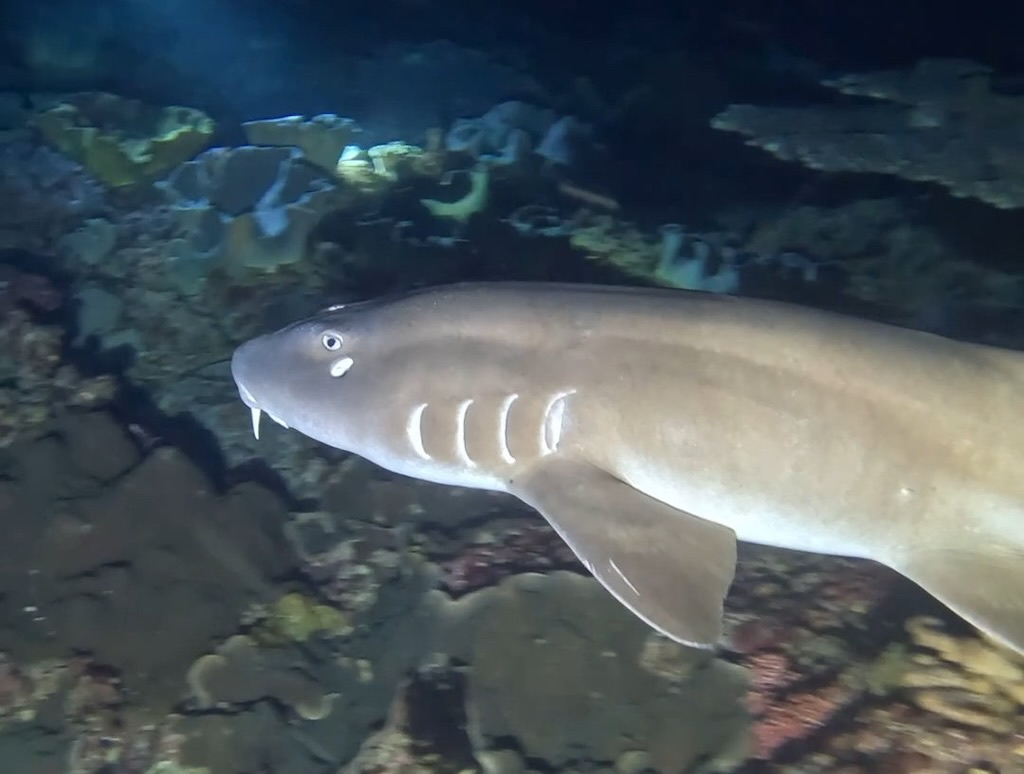
Once underwater, the atmosphere was completely different. The reef came alive with nocturnal activity, offering a side of Manta Point that most divers never experience.
👉 We did not encounter manta rays during the night dive — but what we discovered instead was just as memorable.
A bamboo shark quietly weaved its way between us, a rare and fascinating sight in such a setting. We also came across a resting turtle, slightly disturbed by our lights, and a hunting banded sea krait moving gracefully across the reef. Around us, the entire ecosystem seemed to shift — with macro life, crustaceans, and other nocturnal species emerging from the darkness.
This experience showed us that Manta Point is not only about manta rays. Even without them, it remains a rich and rewarding dive site — especially for those looking for something different.
👉 If you’re an experienced diver and conditions are right, a sunset or night dive at Manta Point can be a truly unique adventure in Bali.
Is Manta Point Worth It?
Yes — Manta Point is absolutely worth it, and for many divers, it’s one of the highlights of a trip to Bali. After more than 100 dives at Manta Point, I can confidently say this is by far the most reliable place in Bali to see manta rays, with frequent and often extended encounters in relatively shallow water. Unlike many dive sites where sightings are unpredictable, Manta Point offers a very high success rate, making it accessible and rewarding even for beginners.
What makes it truly special is not just the presence of manta rays, but the way you experience them. The interactions are often calm and extended, with mantas circling slowly above the cleaning stations, sometimes just a few meters away. It’s not a fleeting encounter — it’s something you can really take the time to observe and enjoy.
That said, it is not a “perfect” dive site in every condition. The swell can be strong, visibility can vary, and the site can sometimes be busy during peak hours. Choosing the right timing and going with an experienced dive center makes a big difference.
👉 Even beyond manta rays, the site offers more than many expect — from macro life to occasional surprises like reef sharks, turtles, or even night diving encounters.
👉 Bottom line: if you’re in Bali and want to see manta rays, Manta Point should be at the top of your list.
More Than Just Manta Rays: What Else You Can See
A little away from the cleaning stations, there are caves that are perfect for a leisurely exploration. This site is also incredibly diverse, featuring a rich array of macro life. You can spot crabs, the famous clownfish, surgeonfish, butterflyfish, rabbitfish, and all the endemic marine life of the island. Recently, we had the pleasure of encountering a stunning crown jellyfish here.
You can also catch a glimpse of stingrays, eagle rays, marble rays, and, with a bit of luck, blacktip reef sharks and bamboo sharks. It’s also possible to encounter turtles and a variety of nudibranch species, some of which are more or less rare.
And, to add to the excitement, we’ve had several encounters with Mola Mola here as well! And even on September 13, 2023, a whale shark!
What Are Cleaning Stations?
Manta Point is known for its shallow cleaning stations, where manta rays gather regularly. These are specific coral areas where small reef fish remove parasites from the mantas’ skin, attracting them to the same spots day after day.
👉 To learn more about how cleaning stations work and manta ray behavior, see our complete guide to manta rays in Nusa Penida.
Best Time to Dive Manta Point
Manta rays can be seen at the site throughout the year, making it one of the most reliable dive sites in Bali.
Conditions can vary depending on swell and weather, and the dive site can be busy during peak hours. For the best experience, it’s recommended to dive early in the morning or later in the day.
Experienced dive centers often adjust their schedule to avoid crowds and optimize conditions.
Manta Point at a Glance
The dive site is relatively shallow, making it accessible to most divers, including beginners.
- Type of dive: reef, photography, macro
- Main highlight: manta ray encounters
- Depth: 8–35 m
- Level: beginner to advanced
- Best time: year-round
- Access: 45 min by boat from Toyapakeh
- Visibility: 10–20 meters
- Current: generally mild, but a swell can be present
- Water temperature: 20–27°C
Plan your trip to Nusa Penida
If this dive site has sparked your curiosity, it’s worth exploring everything Nusa Penida has to offer — both above and below the surface.
👉 Start with our complete travel guide to Nusa Penida, where you’ll find everything you need to plan your stay: how to get there, where to stay, the best beaches, viewpoints, and practical tips to get around the island.
For divers, don’t miss our Nusa Penida diving guide, covering seasons, water temperature, currents, and what to expect in these uniquely dynamic waters.
You can also explore the region’s incredible marine life through our dedicated guides to manta rays and mola mola, two of the most iconic species around Nusa Penida. Other species such as sharks and nudibranchs can also be encountered depending on the dive conditions.
👉 If you’re planning multiple dives, our guide to the best dive sites in Bali will help you choose the right spots based on your level, conditions, and marine life.
Finally, if you’re looking for a reliable and experienced operator, we recommend Dune Penida Dive Center — a PADI 5★ dive center known for its strong focus on safety, local knowledge, and high-quality dive experiences.
Dive With Manta Rays
Dive with manta rays in Nusa Penida at Manta Point : learn about cleaning stations, seasonality, dive conditions and how to experience these gentle giants year-round.
Best dive sites in Bali
20 best dive sites in Bali around Nusa Penida, Padang Bai and North Bali : discover manta rays, oceanic sunfish, sharks, drift dives and vibrant coral reefs.
Nusa Penida travel guide
Complete Nusa Penida Travel Guide : how to get there, where to stay, best beaches, temples, viewpoints and practical tips to plan your island adventure.
FAQ – Manta Point Nusa Penida
Can you see manta rays at Manta Point all year?
Yes. Manta rays can be seen at Manta Point throughout the year, with a very high success rate compared to other sites in Bali.
Is Manta Point suitable for beginners?
Yes. The main dive area is shallow (around 8–12 meters), making it accessible for beginners and even discovery dives.
Is it better to snorkel or dive at Manta Point?
Snorkeling offers a quick and accessible experience from the surface, while diving allows longer and closer encounters at the cleaning stations.
What is the difference between Manta Point and Manta Bay?
Manta Bay is closer and often used for snorkeling, but can be crowded. Manta Point is deeper, calmer, and generally offers better diving conditions.
How long does it take to reach the dive site?
Around 45 minutes by boat from Toyapakeh in Nusa Penida or from Sanur.
What depth is Manta Point?
The main area ranges from 8 to 12 meters, with deeper sections reaching up to about 40 meters.
Is Manta Point safe?
Yes, when conditions are good and dives are conducted with experienced operators. However, swell can sometimes be present.
What marine life can you see besides manta rays?
You may encounter bamboo sharks, stingrays, turtles, nudibranchs, and occasionally larger species, depending on the season.
What is the best time of day to dive Manta Point?
Early morning or late afternoon is usually best to avoid crowds and enjoy calmer conditions.
Can you do a night dive at Manta Point?
Yes, although it is rare. Night dives reveal completely different marine life, even if manta rays are not typically seen after dark.