Oleh Blaise Jaeger — PADI Master Scuba Diver yang tinggal di Nusa Penida, menyelami Padang Bai Gilis bersama Dune Penida · Diperbarui 9 September 2026
“Gili” berarti “pulau” dalam bahasa Sasak, bahasa yang dituturkan di Lombok. Karena itu, hampir semua pulau kecil di sekitar Lombok disebut Gili. Hal yang sama berlaku untuk tiga pulau kecil di lepas pantai Bali, tepat di seberang Candidasa: Padang Bai Gilis — Gili Biaha, Gili Tepekong, dan Gili Mimpang.
Ketiga pulau kecil ini termasuk spot diving terindah di Bali.
Sekilas tentang Padang Bai Gilis
| Spot diving | Gili Tepekong, Gili Mimpang, Gili Biaha |
| Jenis penyelaman | Drift, dinding, penyelaman dalam, makro, ikan pelagis |
| Tingkat | Hanya untuk penyelam tingkat lanjut / berpengalaman |
| Kedalaman | Hingga 40 m |
| Sorotan | Mola Mola, hiu karang sirip putih, kuda laut kerdil, nudibranch, gerombolan ikan besar |
| Sorotan makro | Spot di sebelah barat Gili Mimpang, sekitar 20 m — hanya pada hari tanpa arus |
| Arus | Kuat & bergantung pasang surut (kami menghindari bulan purnama/bulan baru) |
| Suhu air | Sejuk, turun pada musim Mola Mola |
| Jarak pandang | Bervariasi (lebih rendah di Gili Biaha) |
| Waktu terbaik | Sepanjang tahun (Mola Mola Juli–Oktober) |
| Penyeberangan dari Toyapakeh | 25–30 menit dengan perahu |
Bagi Dune Penida Dive Center, pergi ke sana selalu menjadi hari yang istimewa, karena berarti meninggalkan perairan Nusa Penida. Rasanya seperti sebuah petualangan kecil, meskipun pada akhirnya penyeberangannya justru lebih singkat daripada perjalanan ke Manta Point!
Meski begitu, kami memberi perhatian yang jauh lebih cermat pada kondisi laut dan tinggi gelombang, serta pada jadwal pasang surut, karena arus di sini bisa sangat kuat. Untuk alasan yang sama, kami menghindari pergi ke sana di sekitar hari bulan purnama atau bulan baru.
Singkatnya, seperti yang mungkin sudah Anda duga, menyelam di Padang Bai Gilis adalah sesuatu yang harus diperjuangkan — ini bukan perjalanan yang bisa didadakan pada menit terakhir.
Dalam perjalanan menuju Gili Padang Bai
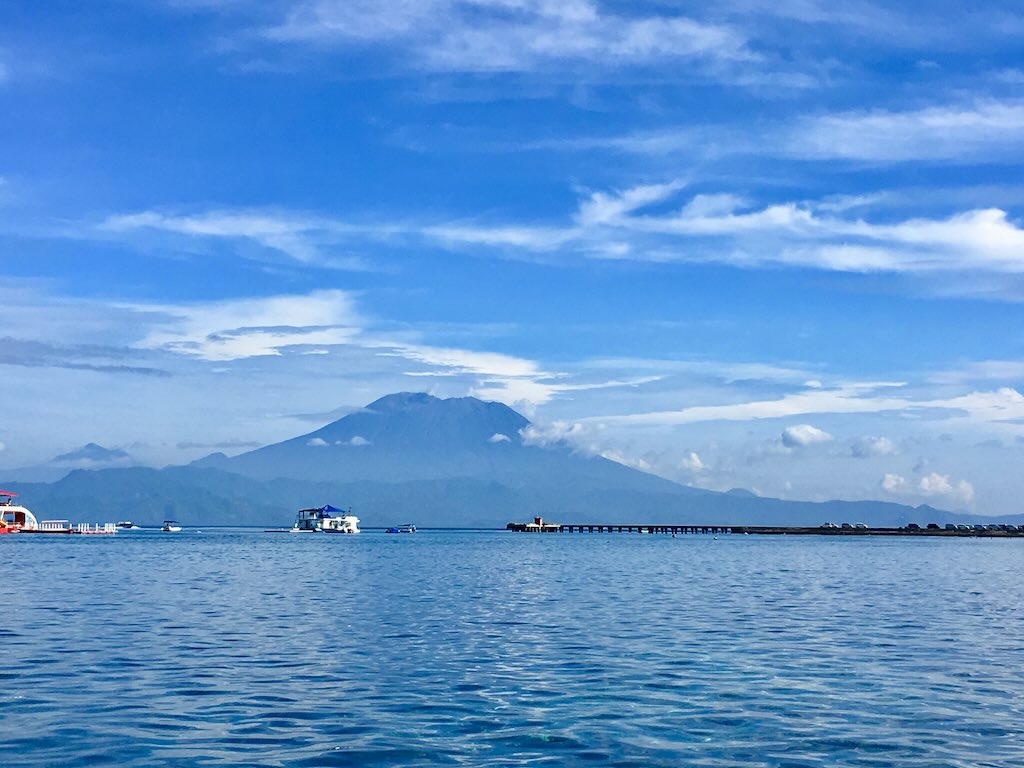
Kami melaju ke laut lepas untuk penyeberangan selama 25–30 menit menuju pesisir Bali. Tobal, kapten kami, memulai perjalanan dengan Gunung Agung sebagai penanda utamanya. Tidak lama kemudian, Gili Tepekong muncul di cakrawala. Begitu tiba, kondisi laut dan musimlah yang menentukan urutan penyelaman kami. Apa pun keadaannya, tujuannya selalu sama: membuat pengalaman ini sekaya mungkin dan membuka sebanyak mungkin peluang perjumpaan di bawah air.
Setiap spot punya karakternya sendiri, dan sasaran utama kami berubah dari satu penyelaman ke penyelaman berikutnya. Cukup sering kami berlayar beberapa menit lebih lama di antara pulau-pulau kecil itu untuk memilih penyelaman yang paling sesuai, lewat koordinasi erat antara kapten dan para pemandu selam. Pilihan ini jarang mudah: kami mempertimbangkan impian dan keinginan para penyelam kami, tetapi kami juga harus menyesuaikannya dengan tingkat dan pengalaman masing-masing orang.
Tiga Gili untuk tiga pengalaman yang benar-benar berbeda, karena topografi bawah lautnya berubah drastis dari satu spot ke spot lain. Dinding curam yang menjulang, plateau yang penuh kehidupan, hamparan pasir, gua-gua kecil, dan ngarai bawah laut menanti kami — dan arus benar-benar menjadi bagian dari petualangan di labirin yang membuat kami senang tersesat di dalamnya.
Ikuti pemandu Anda!
Gili Biaha
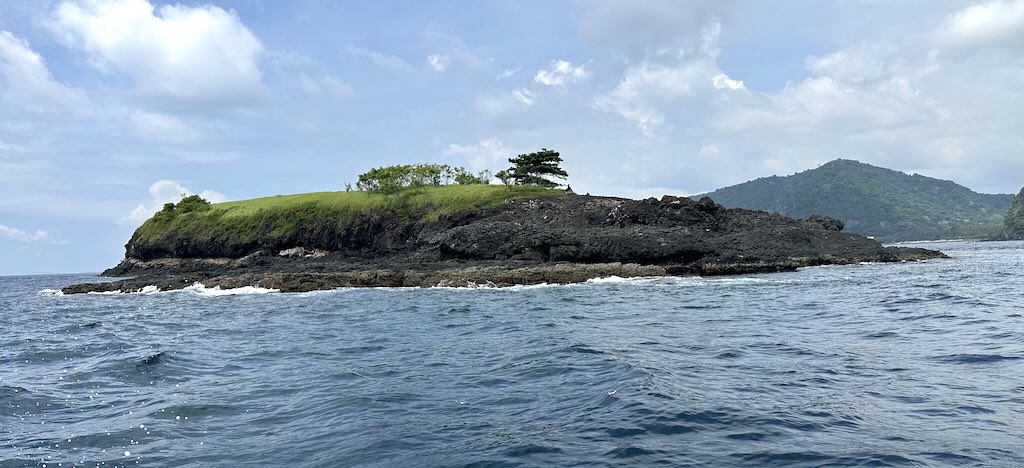
Menyelam di Gili Biaha pertama-tama adalah soal hiu karang sirip putih.
Kami masuk ke air melalui ombak yang pecah ke dalam sebuah teluk kecil, tempat beberapa batu berada tepat di bawah permukaan. Bagian ini menuntut perhatian penuh dari kapten kami maupun dari para pemandu selam Anda.
Tempat pengasuhan hiu karang sirip putih
Penyelaman dimulai di atas sebuah plateau, dan kejutan pertama datang hampir seketika. Sebuah gua kecil, tersembunyi di balik hempasan ombak, menjadi tempat berlindung sekaligus tempat pengasuhan bagi hiu karang sirip putih. Individu-individu terkecil biasanya tetap berada di dalam gua, sementara yang lain berenang bebas di sekitarnya. Beberapa di antaranya bahkan penasaran dan mendekat untuk mengamati kami — selalu dengan menjaga jarak yang sopan.
Hiu karang sirip putih jauh lebih sering berburu di celah-celah sempit daripada di perairan terbuka, dan itu mungkin menjelaskan mengapa mereka termasuk hiu yang paling lincah. Kami tidak pernah bosan menyaksikan kelenturan gerak mereka, tetapi sudah waktunya melanjutkan perjalanan. Kami meneruskan penurunan menyusuri dinding yang tidak rata, berselang-seling antara ceruk, tonjolan karang, dan plateau pendek yang menjadi penanda alami sepanjang penyelaman.
Penemuan-penemuan lain
Banyak spesies lain juga memanfaatkan pergerakan air untuk melayang di sekitar kami. Gerombolan ikan kuwe dan barakuda memakai lahan berburu yang dibuka oleh hiu sirip putih. Konsep “rantai makanan” benar-benar hidup di depan mata kami.
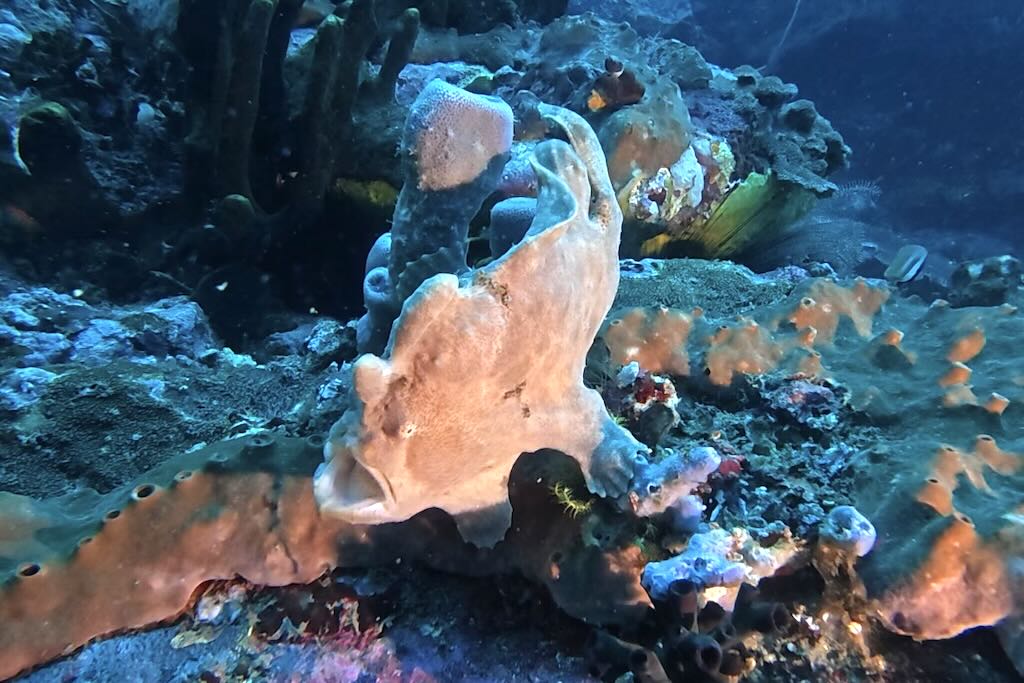
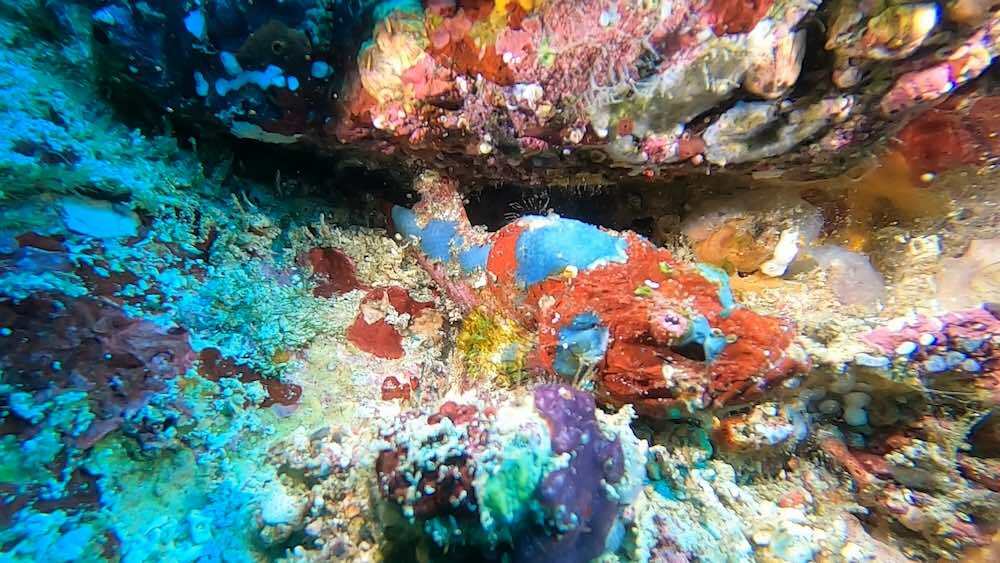
Terumbunya sendiri sama memikatnya. Memang benar bahwa pergerakan air yang naik langsung dari kedalaman membuat Gili Biaha tidak dikenal karena jarak pandangnya yang jernih, tetapi keragaman sedimen yang terbawa ke sini justru menciptakan kehidupan. Dari ikan badut hingga ikan betok laut dalam beragam bentuk dan warna, mata penyelam terus-menerus tertarik dari satu detail ke detail berikutnya. Pada penyelaman terakhir kami, kami bahkan berjumpa dengan seekor ikan katak yang menakjubkan!
Penyelaman berakhir di perairan biru, terbawa arus — dan sekali lagi, keajaiban itu terjadi.
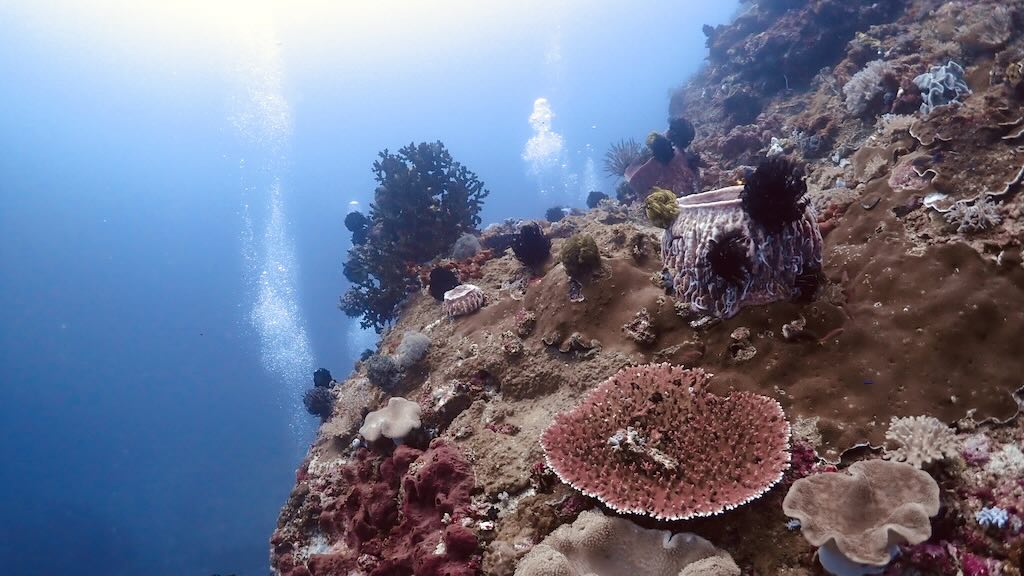
Menyelam di Gili Tepekong
Gili Tepekong adalah penyelaman dengan banyak wajah, dari makhluk terkecil hingga perjumpaan terbesar.
Seperti yang sering terjadi, ada beberapa cara untuk menyelami tempat ini. Satu pertanyaan cepat muncul: apakah kami lebih baik turun atau naik lewat cerobong? Kami memulai penurunan di sebuah plateau yang melandai, yang secara harfiah dibatasi oleh dinding yang jatuh lurus ke perairan biru. Sebuah cerobong menghubungkan keduanya. Kami melewatinya satu penyelam pada satu waktu, dengan sangat hati-hati agar tidak mengganggu kehidupan yang melimpah di dalamnya. Momen istimewa ini sering kali menjadi pengalaman pertama bagi banyak penyelam kami dan menyenangkan untuk dibagikan, tetapi spot ini menawarkan jauh lebih banyak lagi dari sisi penemuan bawah air.
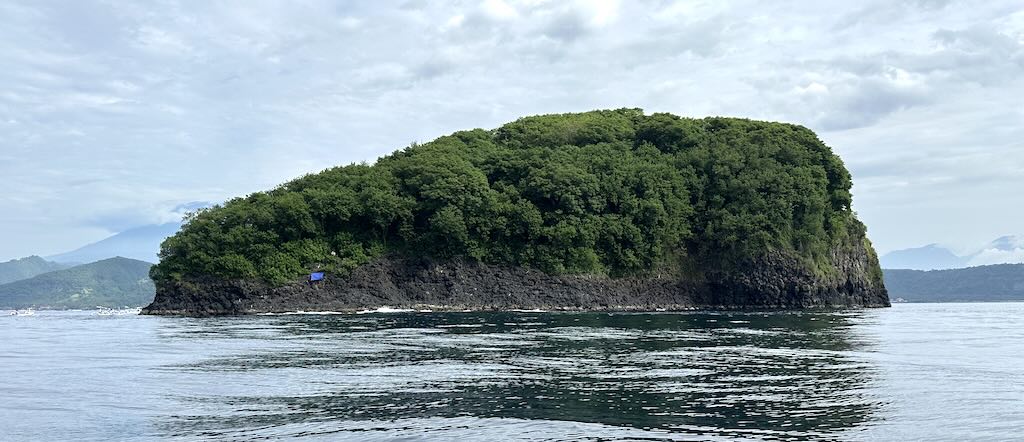
Dari yang terkecil hingga yang terbesar
Pencarian kami berganti-ganti antara biota makro dan biota laut berukuran besar. Di sisi yang mungil, selain kepiting, udang, dan berbagai nudibranch, yang paling menyita perhatian kami adalah kuda laut kerdil Bargibant. Bersembunyi di antara gorgonia berwarna merah muda atau kuning, ia meniru warna inangnya untuk menyempurnakan penyamaran. Menemukan matanya adalah cara terbaik untuk mengaguminya — selalu dengan sangat berhati-hati, karena makhluk mungil ini serapuh ukurannya yang kecil.
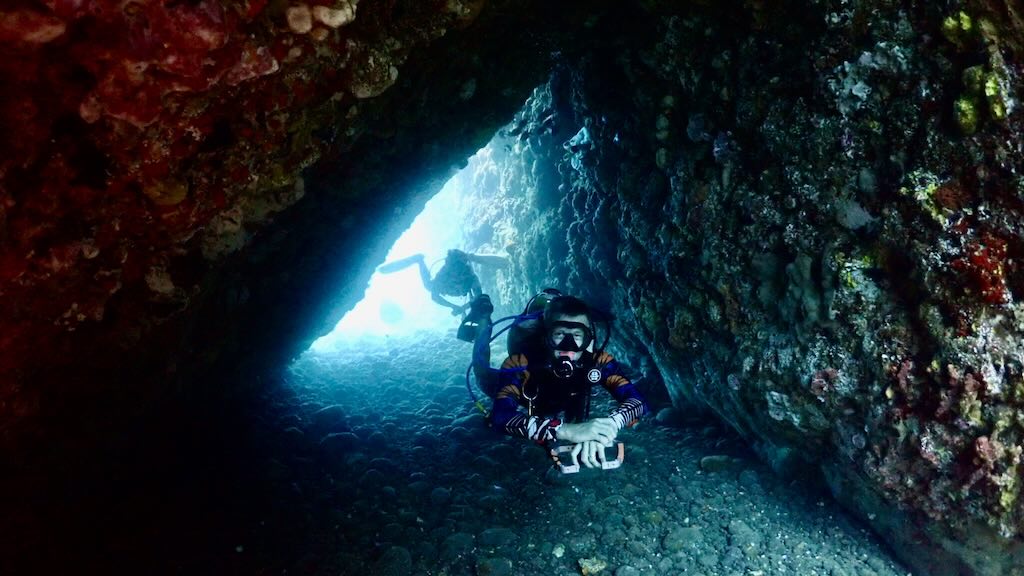
Lalu bagaimana dengan yang besar?
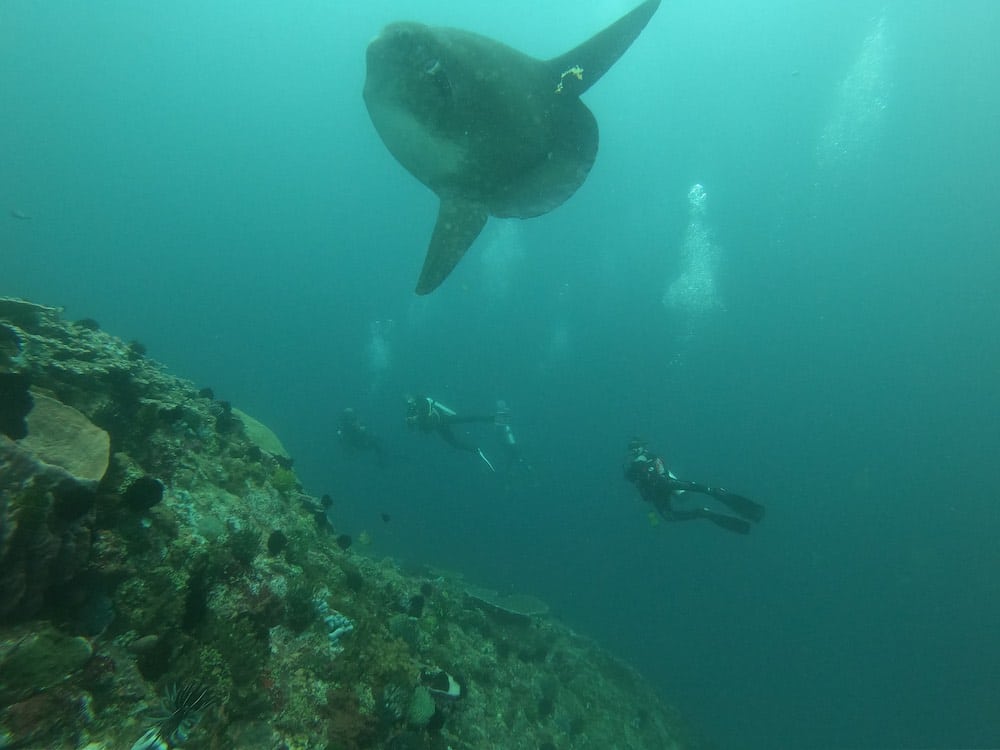
Untuk perjumpaan dengan biota yang lebih besar, di sekitar beberapa gundukan karang itulah kami berpeluang bertemu Mola Mola. Di sini ia sering menyendiri dan tidak terlalu pemalu, sehingga kami bisa menghabiskan sebagian besar penyelaman bersamanya.
Kami menutup penyelaman di sepanjang kelanjutan langsung dari tebing curam pulau kecil ini. Bayangan yang terbentuk berselang-seling dengan cahaya terang dari permukaan, menyelimuti kami dalam suasana yang khas. Kami kerap berjumpa gurita di luar tempat persembunyiannya yang biasa. Kawasan ini juga menjadi rumah bagi banyak udang Zanzibar yang bersembunyi di antara karang cambuk, serta udang Thor berwarna oranye dan putih yang seolah menarikan balet tanpa akhir mengikuti gerak ombak.
Dari yang terkecil hingga yang terbesar, ini adalah pengalaman yang langka dan intens.
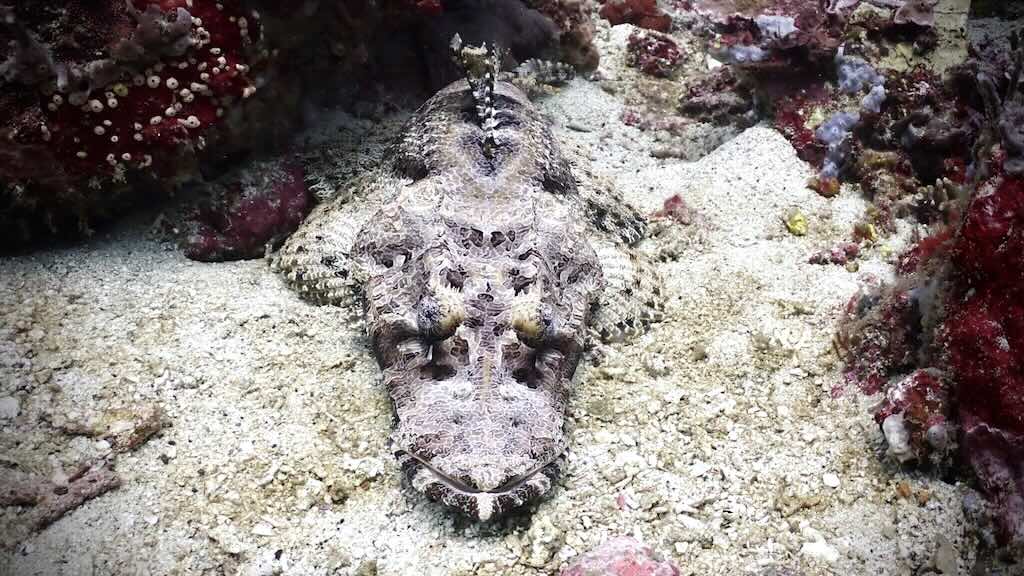
Menyelam di Gili Mimpang
Inilah yang terkecil dari ketiga Padang Bai Gilis — setidaknya di permukaan.
Beberapa batu yang seolah muncul dari kedalaman ini menyembunyikan spot diving yang luas dan luar biasa lengkap.
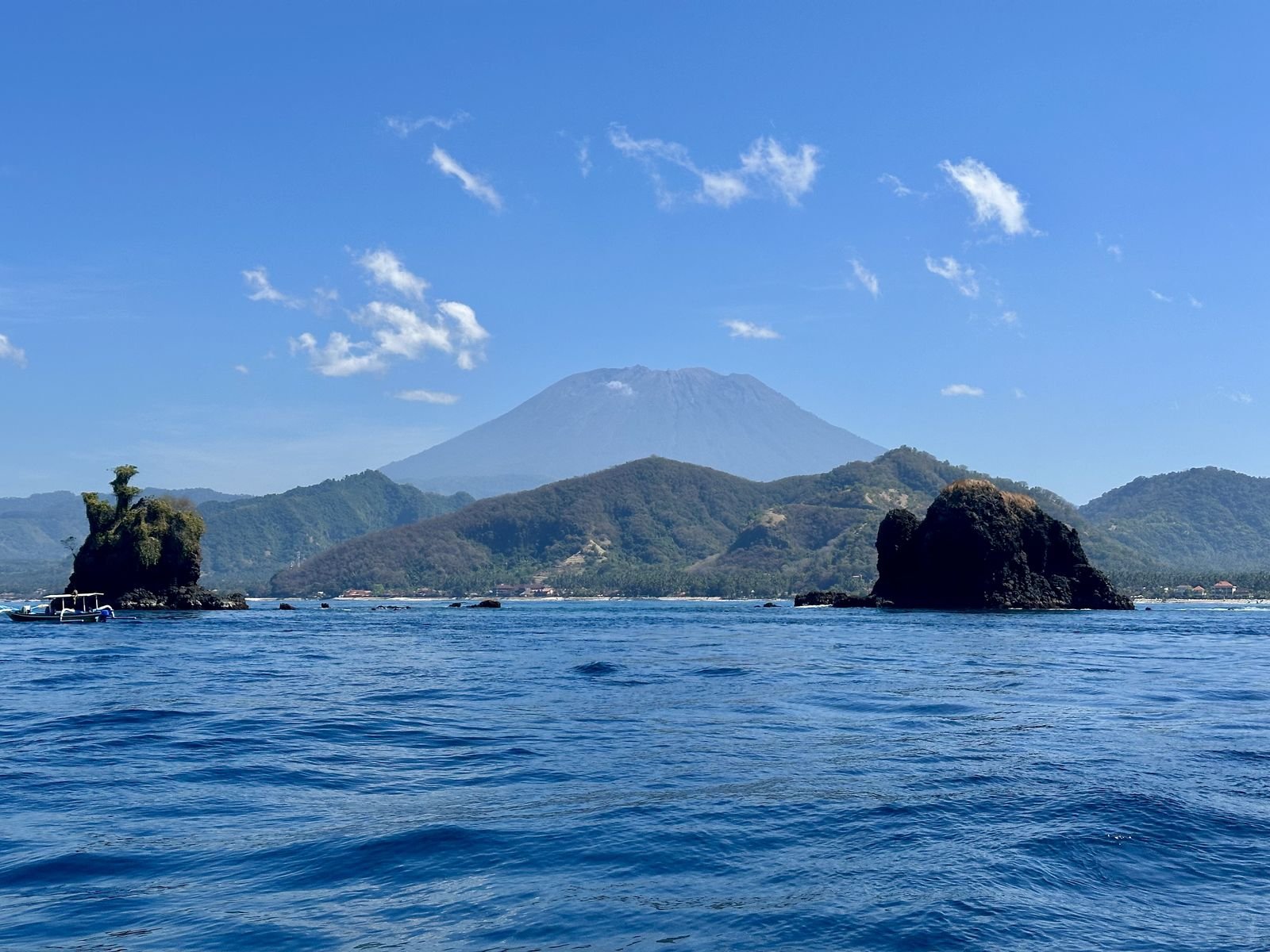
Penyelaman dimulai di lereng landai yang berakhir di dasar berpasir. Ikan lepu batu dan ikan lepu yang berwarna-warni menemani penurunan kami, dan bukan hal aneh bila kami berjumpa hiu karang sirip putih yang memanfaatkan arus untuk beristirahat dengan tenang di atas pasir.
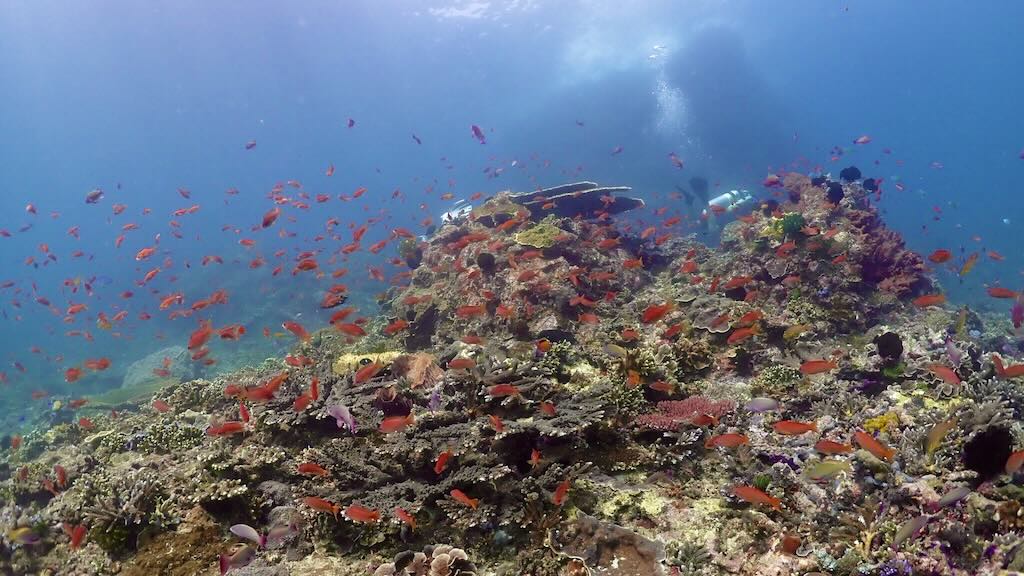
Arus kemudian membawa kami ke sebuah sudut tempat birunya laut terbentang tanpa batas di depan dinding vertikal yang penuh warna, dinding yang akan kami susuri. Tujuannya sederhana: mencapai sebuah ceruk alami yang besar — satu-satunya titik yang terlindung dari arus — yang memungkinkan kami menikmati sepenuhnya apa yang datang berikutnya.
Mola Mola menari di dalam arus
Di sinilah, pada musimnya, Mola Mola bisa terlihat berkelompok dan bermain bersama. Mereka datang ke Gili Mimpang bukan terutama untuk dibersihkan oleh ikan bendera, melainkan untuk menari bersama di dalam arus. Biasanya tenang dan berwibawa, di sini mereka justru tampak jenaka, bahkan sedikit menggoda kami yang tetap berada di tempat berlindung. Rasanya benar-benar seperti dunia terbalik. Mereka mendekati kami, lalu menjauh sambil mengamati — penasaran, namun merasa aman karena jumlah mereka banyak.
Kami mulai naik perlahan di bawah tatapan geli mereka. Dinding dan plateau yang menutup penyelaman ini dibanjiri cahaya seperti tak ada tempat lain. Dangkal dan tanpa pulau sungguhan di atasnya, matahari menyirami seluruh pemandangan sepanjang hari, membuat warna-warnanya tampak lebih hidup daripada di mana pun.
Semuanya berpadu: bukan lagi penyelam yang mengamati biota laut, melainkan sebaliknya. Kami muncul ke permukaan dengan perasaan aneh sekaligus menyenangkan, yaitu bahwa kami tidak lagi sekadar penonton, tetapi bagian dari pertunjukan itu sendiri. Pada akhirnya, sebuah balasan yang setimpal — kami senang membayangkan ikan-ikan itu pulang dengan kenangan tentang kami.
Sebelah barat Gili Mimpang: satu nudibranch setiap meter
Ada Gili Mimpang yang kedua, dan nyaris tidak ada yang menyelaminya. Di sisi barat pulau kecil ini, pada kedalaman sekitar 20 meter, terdapat salah satu spot makro terbaik di seluruh kawasan — dan spot itu hanya ada pada hari-hari ketika sama sekali tidak ada arus.
Syarat itulah inti persoalannya. Segala hal lain di Padang Bai Gilis dibangun di sekitar air yang bergerak: Anda ikut bersamanya, Anda berlindung darinya, Anda mengatur waktu penyelaman berdasarkan dirinya. Di sini justru sebaliknya. Tidak ada yang membawa Anda, tidak ada yang perlu dilawan, dan penyelaman berubah menjadi soal melayang diam, memperlambat gerak, dan mengamati sangat dekat sepetak kecil terumbu.
Yang Anda temukan di sana adalah nudibranch — bukan satu atau dua ekor setelah pencarian panjang, melainkan kira-kira satu ekor setiap meter. Sebagian hanya berukuran beberapa milimeter dan baru ketahuan lewat kilatan warna yang kontras dengan dasarnya. Ini jenis penyelaman ketika waktu dasar 60 menit hanya membawa Anda sejauh sepuluh meter terumbu, dan penyelam yang naik paling akhir justru yang paling menikmatinya.
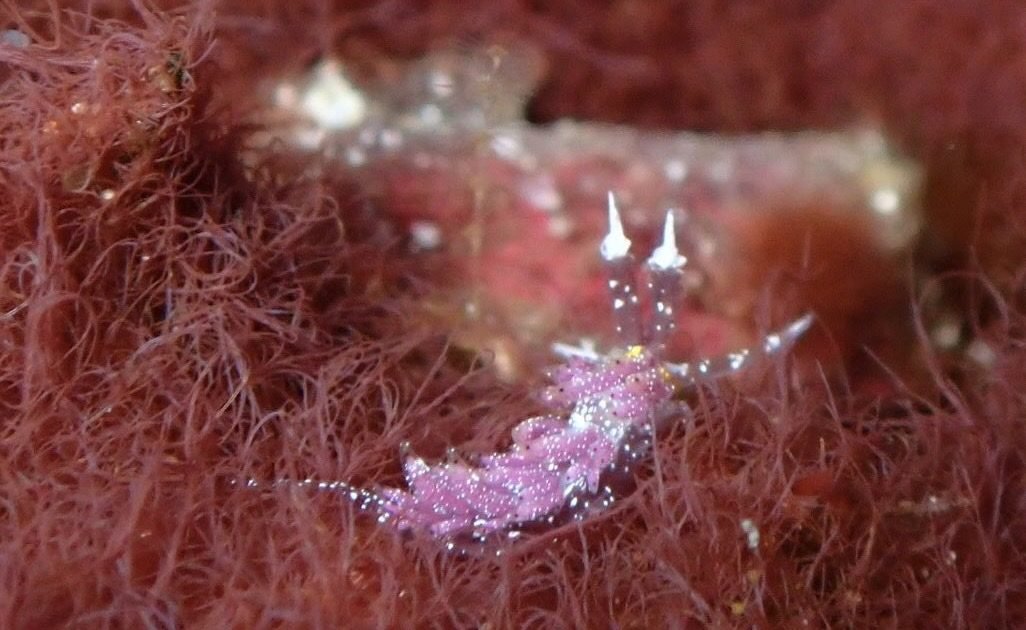
Penyelaman ini tidak bisa dipesan jauh-jauh hari. Karena membutuhkan air yang benar-benar tenang, keputusannya diambil pada hari itu juga, di lokasi, antara kapten dan para pemandu — sama seperti cara kami memilih di antara ketiga Gili. Ketika laut memberi kami jendela sesingkat itu, kami langsung mengambilnya.
Hari yang tak ada duanya di Padang Bai Gilis
Spot diving di sekitar Nusa Penida sudah kaya dan luar biasa beragam, sehingga pergi sejauh itu dari rumah mungkin terasa tidak perlu — namun tetap saja…
Selain spot-spotnya yang menakjubkan dan begitu berbeda dari yang kami temukan di sekitar Penida, satu hari di Padang Bai Gilis selalu menjadi pengalaman yang berkesan bagi semua orang.
Ini momen yang kami siapkan dengan sangat cermat, bersama-sama — penyelam, murid, pemandu, instruktur, staf — keluarga Dune Penida yang bergerak serentak. Tujuan utamanya bukan lagi sekadar berbagi penyelaman atau menularkan pengetahuan kami, melainkan benar-benar menikmati satu hari penuh menyelam di Bali, bersama-sama. Kami sering merencanakan perjalanan ini di akhir program pelatihan panjang bersama para kandidat divemaster, atau di penghujung sebuah safari setelah begitu banyak momen indah yang kami bagi bersama. Kadang, juga bersama mereka yang memberi kami kebahagiaan dengan kembali lagi dan lagi, tahun demi tahun, dengan semangat yang sama.
Ini juga saat untuk menikmati makan siang yang istimewa, memperlambat langkah dan mengobrol tentang apa saja, serta tersenyum mengikuti lagu ini atau lagu itu.
Saatnya kembali pulang
Seusai penyelaman, seluruh tim — dengan Budi di barisan terdepan — sudah menunggu untuk menyambut kami kembali di pantai, dengan rasa penasaran yang bahkan lebih besar untuk mendengar apa yang kami lihat dan memastikan semuanya berjalan sempurna.
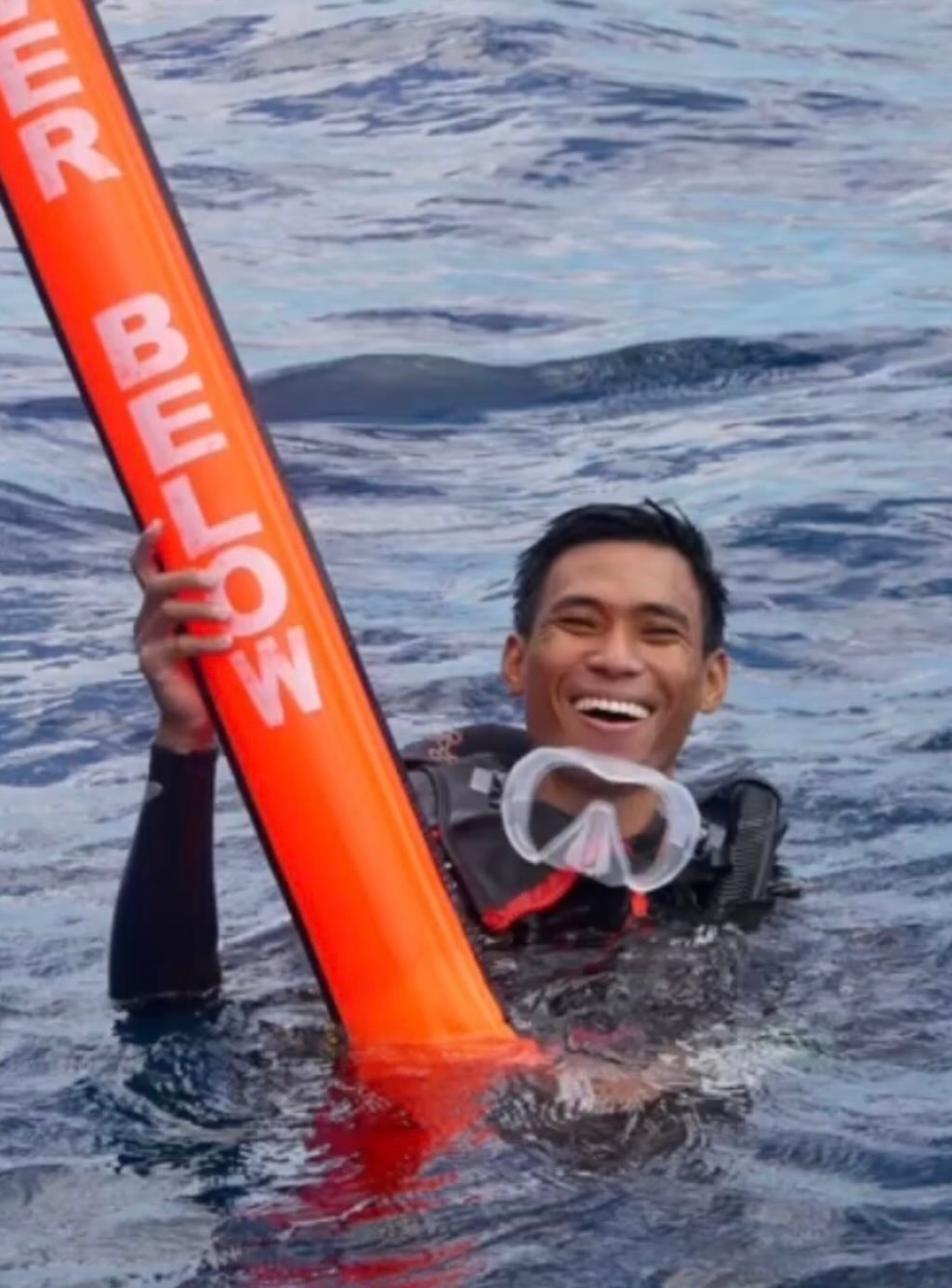
Menyelami Padang Bai Gilis bersama Roy
Padang Bai Gilis adalah perjalanan sehari untuk penyelam tingkat lanjut — penyeberangan 25–30 menit, arus pasang surut yang kuat, dan tiga spot yang sangat berbeda — jadi harus diperjuangkan dan diatur waktunya dengan tepat. Roy adalah instruktur selam di Dune Penida yang merencanakan dan memandu perjalanan ini: kirim pesan langsung kepadanya, dan ia akan mengatakan dengan jujur apakah perjalanan ini sesuai dengan pengalaman Anda, memilih hari yang tepat (jauh dari bulan purnama dan bulan baru), serta mengatur seluruh hari menyelam di Bali untuk Anda.
FAQ menyelam di Padang Bai Gilis
Di mana letak Gili Tepekong, Gili Mimpang, dan Gili Biaha?
Ketiganya adalah pulau kecil di lepas pantai timur Bali, tepat di seberang Candidasa dan Padang Bai — yang dikenal sebagai “Padang Bai Gilis”. Dari Nusa Penida, Dune Penida mencapainya dengan penyeberangan perahu selama 25–30 menit.
Tingkat apa yang dibutuhkan untuk menyelam di Padang Bai Gilis?
Ini penyelaman tingkat lanjut: arus yang kuat dan sangat bergantung pasang surut, dinding yang dalam, serta penyeberangan yang menuntut membuatnya hanya diperuntukkan bagi penyelam bersertifikat yang berpengalaman, dan selalu bersama pemandu lokal.
Bisakah melihat Mola Mola di Gili Tepekong dan Gili Mimpang?
Bisa, terutama antara Juli dan Oktober. Di Gili Tepekong sering ada satu Mola Mola yang menyendiri dan santai di sekitar gundukan karang, sementara di Gili Mimpang mereka bisa muncul berkelompok dan bermain-main di dalam arus.
Di mana bisa menemukan nudibranch di sekitar Padang Bai Gilis?
Di spot makro sebelah barat Gili Mimpang, pada kedalaman sekitar 20 meter, tempat bisa ditemukan satu nudibranch setiap meter. Spot ini hanya bisa diselami pada hari tanpa arus, jadi keputusannya diambil di lokasi, bukan dipesan jauh-jauh hari. Gili Tepekong menambahkan kuda laut kerdil Bargibant, udang Zanzibar, dan udang Thor.
Apa saja yang bisa dilihat di Gili Biaha?
Gili Biaha terkenal dengan tempat pengasuhan hiu karang sirip putihnya — sebuah gua kecil yang menaungi hiu-hiu itu — ditambah gerombolan ikan kuwe dan barakuda, serta sesekali ikan katak.
Apakah Gili Tepekong bagus untuk menyelam?
Ya — Gili Tepekong adalah salah satu penyelaman terbaik di Bali, memadukan cerobong khasnya, biota makro seperti kuda laut kerdil Bargibant, gurita dan udang Zanzibar, serta perjumpaan dengan Mola Mola.
Apakah arus di Padang Bai Gilis kuat?
Ya, arusnya bisa sangat kuat dan sangat bergantung pada pasang surut — itulah sebabnya kami mengamati pasang surut dengan cermat dan menghindari menyelam di sekitar bulan purnama dan bulan baru. Pengecualiannya adalah spot makro di sebelah barat Gili Mimpang, yang justru membutuhkan air tenang dan hanya diselami ketika arus benar-benar mereda.
Rencanakan perjalanan Anda ke Nusa Penida
Jika artikel ini membangkitkan rasa penasaran Anda, ada baiknya menelusuri lebih dalam segala yang ditawarkan pulau ini — baik di atas maupun di bawah permukaan. Untuk membantu Anda menyusun liburan yang sempurna, jelajahi panduan wisata lengkap Nusa Penida kami, yang membahas cara menuju ke sana, tempat menginap, pantai terbaik, titik pandang, dan tips praktis untuk berkeliling pulau.
Untuk para penyelam, jangan lewatkan panduan menyelam Nusa Penida kami, yang menjelaskan musim, suhu air, arus, sertifikasi, dan apa yang bisa Anda harapkan saat menyelam di perairan yang begitu dinamis ini. Anda juga bisa menyelami Padang Bai Gilis dan banyak spot luar biasa lainnya bersama Dune Penida Dive Center, pusat selam PADI 5★ yang berbasis di Nusa Penida, dikenal dengan para pemandunya yang berpengalaman serta perhatian besarnya pada keselamatan dan pengetahuan lokal. Anda juga bisa mendalami kehidupan laut kawasan ini lewat halaman khusus kami tentang pari manta, mola mola (ikan matahari), hiu, dan nudibranch, yang semuanya umum dijumpai di sekitar Bali dan Nusa Penida.
Dan jika Anda sedang memilih ke mana harus menyelam berikutnya, panduan mendalam kami tentang spot diving terbaik di Bali menguraikan setiap spot berdasarkan tingkat kesulitan, kondisi, dan biota lautnya — sehingga Anda bisa menyusun rencana selam yang benar-benar sesuai dengan pengalaman, tingkat kenyamanan, dan jiwa petualangan Anda.
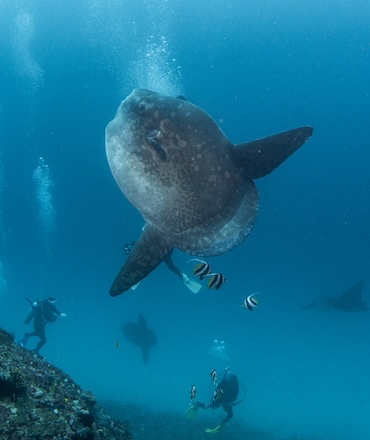
Menyelam bersama Mola Mola
Menyelam bersama Mola Mola di Nusa Penida: pelajari musim ikan matahari, cleaning station, termoklin, kedalaman penyelaman, dan cara berjumpa dengan raksasa laut ini secara aman.
Spot diving terbaik di Bali
20 spot diving terbaik di Bali di sekitar Nusa Penida, Padang Bai, dan Bali Utara: temukan pari manta, ikan matahari, hiu, drift dive, dan terumbu karang yang penuh warna.
Panduan wisata Nusa Penida
Panduan wisata lengkap Nusa Penida: cara menuju ke sana, tempat menginap, pantai terbaik, pura, titik pandang, dan tips praktis untuk merencanakan petualangan Anda di pulau ini.
Tentang penulis
Blaise Jaeger membuka pusat selam PADI pertama di Nusa Penida pada 2017 dan menyelami Padang Bai Gilis bersama tim Dune Penida. Sebagai PADI Master Scuba Diver yang tinggal di pulau ini, ia membagikan panduan menyelam Nusa Penida berdasarkan pengalaman dan berfokus pada keselamatan.