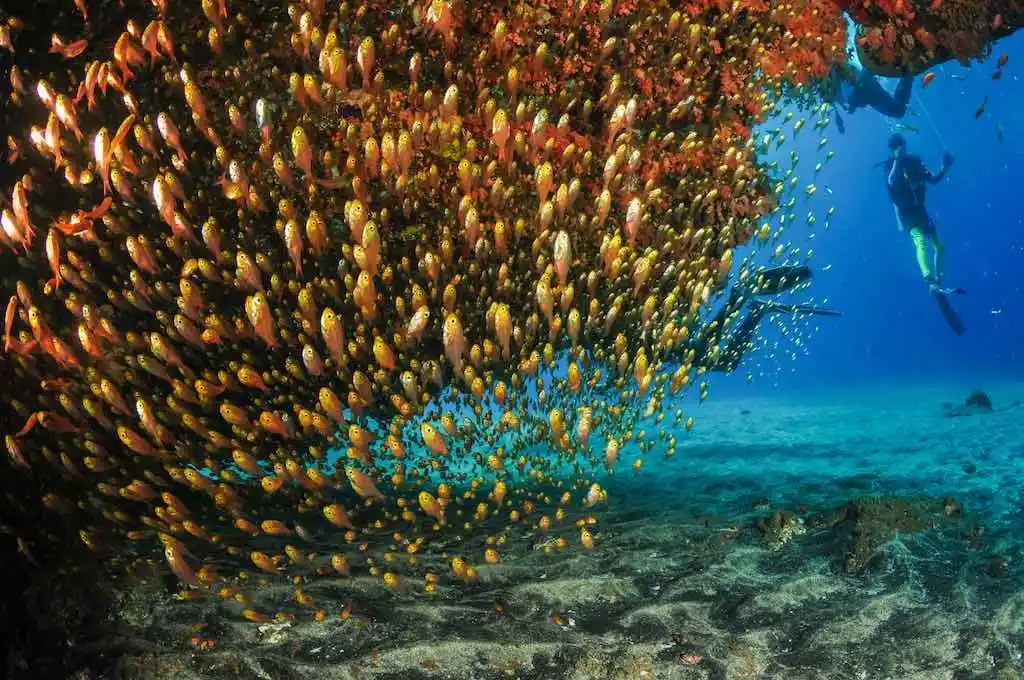
Para los amantes del buceo, Bali es un destino soñado, con algunos de los mejores sitios de inmersión situados alrededor de Nusa Penida. La vida marina es muy diversa, desde diminutos caballitos de mar pigmeos hasta el increíble pez luna, también conocido como Mola Mola. Las majestuosas mantas rayas también habitan en Nusa Penida durante la mayor parte del año, e incluso podrías encontrarte con un tiburón ballena. ¡Nusa Penida es también el paraíso de los nudibranquios! Con una excelente visibilidad, aguas cálidas y una amplia diversidad de flora y fauna submarina, el buceo en Bali ofrece un asombroso despliegue de colores, corales y especies de peces.
La única pregunta es cómo ubicar a Nusa Penida en comparación con otros populares destinos de buceo en Indonesia como Raja Ampat y Komodo. Comparte tu opinión y cuéntanos qué lugar crees que reina como la experiencia definitiva de buceo.
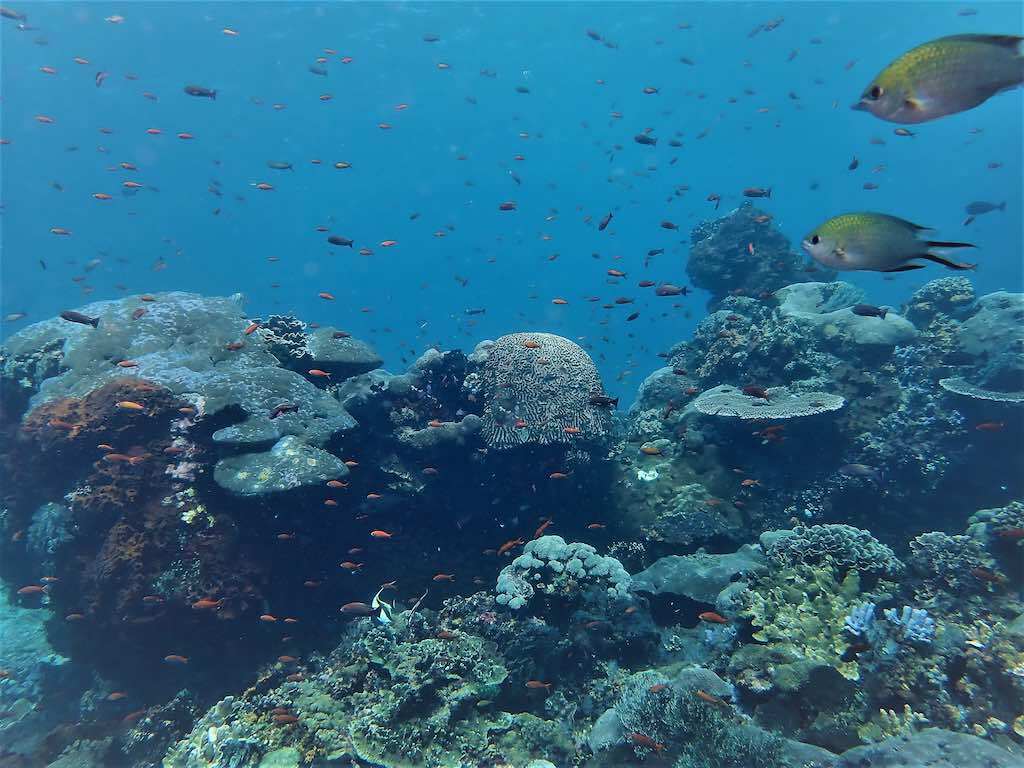
Hay más de 50 sitios de buceo en Bali, principalmente alrededor de Nusa Penida. Sin embargo, los puntos de buceo en las pequeñas islas Gili frente a Candidasa, en Padang Bai, y el famoso pecio USS Liberty en Tulamben también son impresionantes.
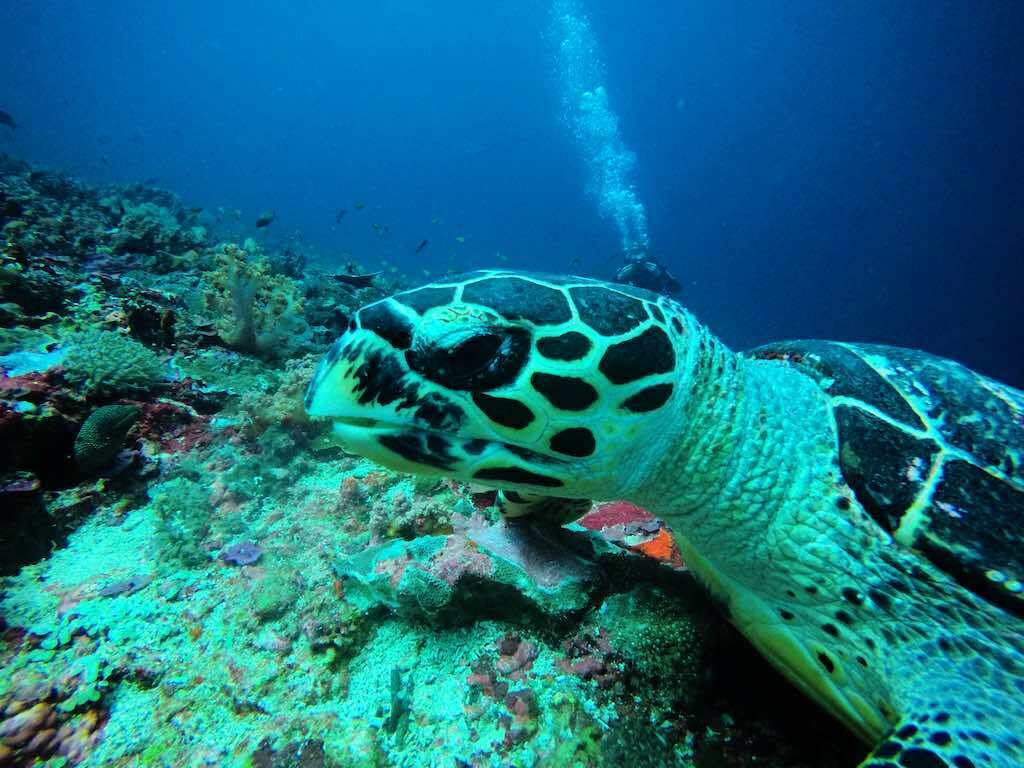
Los sitios de buceo más icónicos en Bali: Crystal Bay y Manta Point
Bali cuenta con dos sitios de buceo de renombre mundial que albergan algunos de los animales pelágicos más emblemáticos: Crystal Bay y Manta Point.
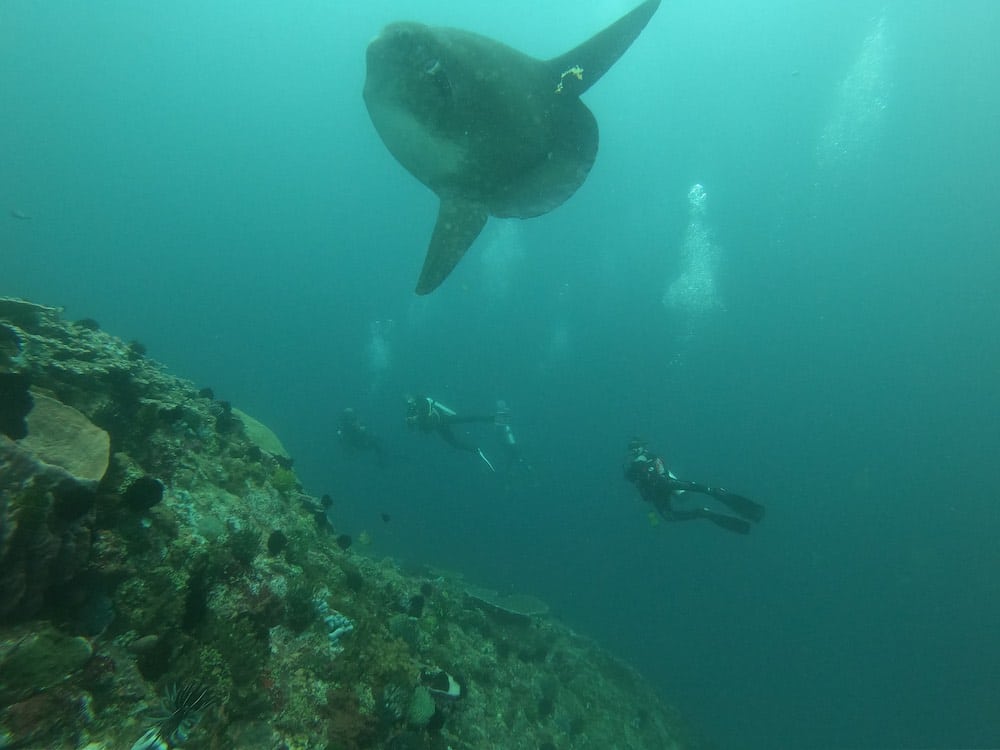
Crystal Bay es famosa por su población de pez luna oceánico (Mola Mola), que puede observarse regularmente entre julio y octubre. A pesar de su popularidad entre los buceadores, sigue siendo un lugar excepcionalmente hermoso, aunque siempre es mejor explorarlo con un guía experto que sepa dónde encontrar a estas magníficas criaturas. En Dune Penida, evitamos las multitudes buceando en Crystal Bay antes de la llegada de los barcos procedentes de Sanur o durante sus intervalos de superficie.
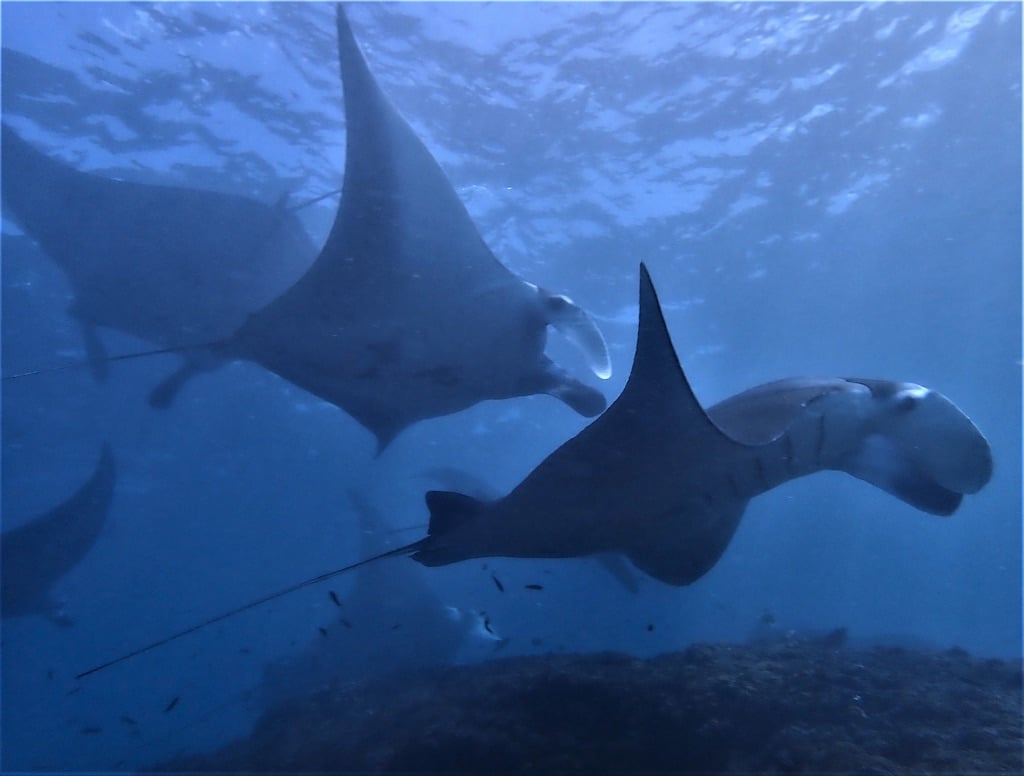
Manta Point, por su parte, cuenta con múltiples estaciones de limpieza donde las mantarrayas acuden a deshacerse de parásitos. Ver a estos gentiles gigantes nadar a tu alrededor es una experiencia sencillamente inolvidable. Este espectacular sitio de buceo se encuentra a unos 45 minutos del puerto de Toyapakeh, y antes de salir te daremos toda la información necesaria sobre las condiciones del mar, que en ocasiones pueden ser exigentes.
Buceo en Bali: la costa norte de Nusa Penida
La costa norte de Nusa Penida ofrece espectaculares inmersiones a la deriva con cinco sitios de buceo consecutivos que forman una extensa meseta de coral. Estos sitios incluyen Ped, SD Point, Sental, Buyuk y Tugu Drop, cada uno con una gran diversidad de jardines coralinos. Siguiendo las corrientes sin esfuerzo, los buceadores pueden disfrutar de un impresionante panorama que va desde aguas poco profundas hasta zonas más profundas.
Mientras exploras esta meseta de coral, podrás encontrarte con tortugas marinas, atunes y barracudas. La zona también es hogar de tiburones de arrecife y, con suerte, incluso del majestuoso Mola Mola. En raras ocasiones, también se han registrado avistamientos de tiburones ballena e incluso de un gran tiburón blanco.
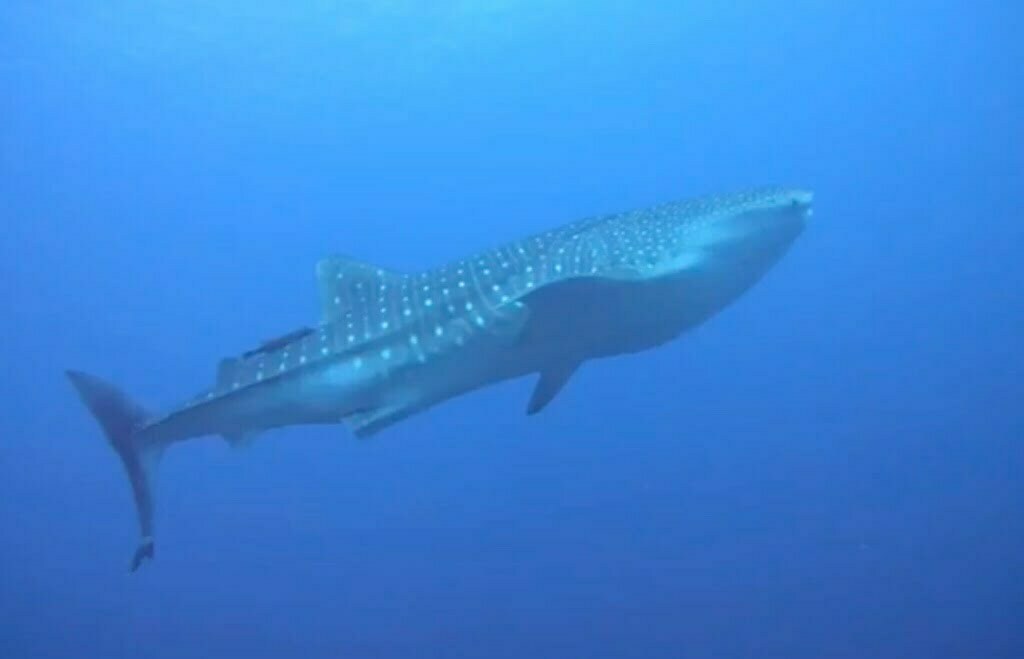
Canal de Nusa Penida – Nusa Ceningan
Además de Crystal Bay, existen numerosos sitios de buceo impresionantes en el canal que separa Nusa Penida de Nusa Ceningan y Nusa Lembongan. Las fuertes corrientes de esta zona atraen una gran abundancia de vida marina, lo que la convierte en un auténtico paraíso para los buceadores.
Uno de estos lugares es Toyapakeh, ubicado justo debajo del complejo de buceo Adiwana Warnakali. Su meseta de coral es una explosión de colores y ofrece excelentes oportunidades para la fotografía macro. En la zona también se encuentran grandes cardúmenes de diversas especies de peces.
Otro sitio destacado es Gamat Bay, que cuenta con una amplia meseta de coral poco profunda flanqueada por dos promontorios rocosos. El área alberga una gran diversidad de vida marina, desde nudibranquios y tortugas hasta morenas y rayas mármol. Además, es un lugar muy popular para avistar al Mola Mola.
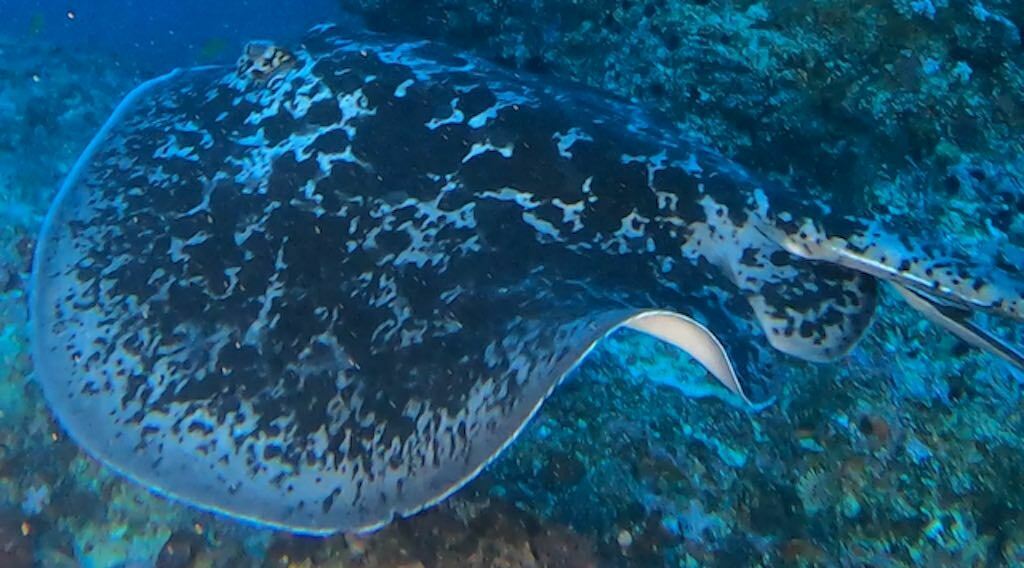
Para los buceadores experimentados que buscan una experiencia más intensa, recomendamos dos sitios adicionales. Amok es una inmersión técnica que sorprende con increíbles colores y una fauna marina muy diversa, mientras que Ceningan Wall ofrece una pared vibrante y llena de vida, donde siempre hay sorpresas en el azul. Ambos son lugares que garantizan experiencias de buceo inolvidables.
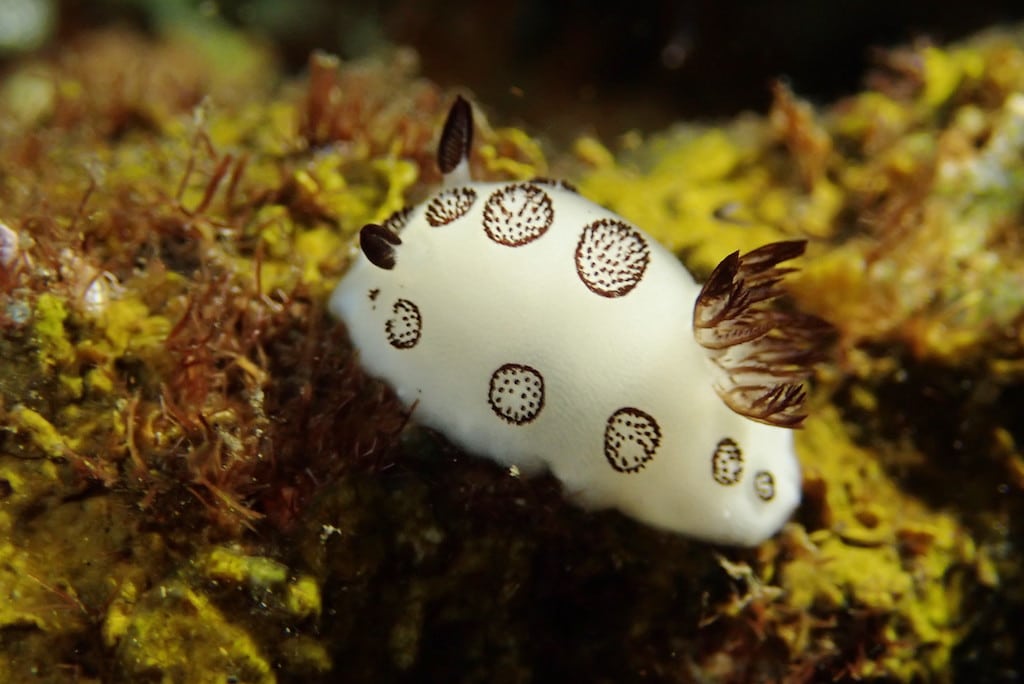
Sitios de buceo en Nusa Lembongan
La costa norte de Nusa Lembongan alberga dos fantásticos sitios de buceo que vale la pena explorar.
El primero, Mangrove, está situado junto a una zona de manglares y es reconocido por su notable diversidad y riqueza marina. Aquí podrás encontrar una gran abundancia de peces de arrecife, así como criaturas fascinantes como peces cocodrilo, tiburones de arrecife y tortugas, que hacen de cada inmersión un auténtico espectáculo.
El segundo sitio, Blue Corner, te lleva a un emocionante buceo en aguas azules, donde es posible observar tiburones, rayas águila y otras especies que se desplazan entre las fuertes corrientes. Y, con un poco de suerte, incluso podrás avistar al escurridizo Mola Mola, acompañado de sus inseparables peces limpiadores, lo que convierte la inmersión en una experiencia verdaderamente inolvidable.
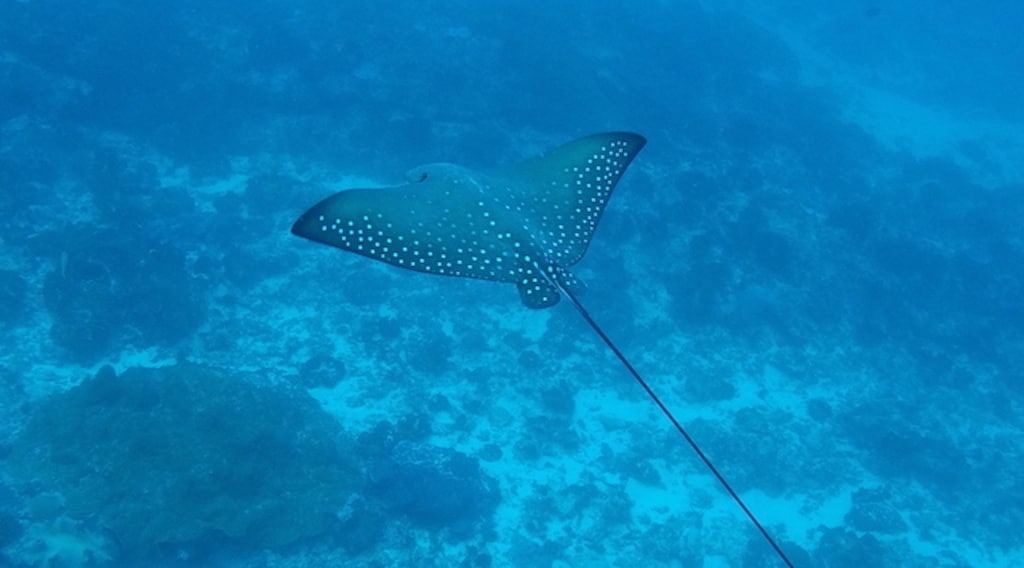
Batu Bolong, en la costa suroeste de Nusa Penida
Nos encanta explorar la isla en busca de nuevos sitios de buceo cerca de los acantilados. Si te unes a nosotros en un día de tres inmersiones, incluso podemos llevarte a descubrir algunas de estas joyas ocultas. Pero hay un lugar del que debemos hablarte: Batu Bolong. Este legendario sitio de buceo en Bali ofrece una experiencia inigualable. El equipo de Dune Penida avistó allí un tiburón ballena el 5 de marzo de 2023.
Batu Bolong alberga un ecosistema próspero, espectáculos submarinos fascinantes y la oportunidad de ver tiburones, rayas y el majestuoso pez luna. No dejes de leer los testimonios de nuestros buceadores sobre esta inmersión inolvidable, que sin duda permanecerá en su memoria para toda la vida.
Padang Bai Gilis, buceo espectacular en Bali
Únete a Dune y explora tres islas encantadoras situadas frente a la costa de Candidasa, Bali: las Gilis de Padang Bai. Estas islas son famosas por sus excepcionales sitios de buceo, que ofrecen una experiencia submarina inolvidable.
En Gili Biaha, podrás observar un vivero de tiburones de punta blanca. Sumérgete en el fascinante Gili Tepekong, donde exploraremos desde las criaturas más pequeñas hasta las más imponentes. Y concluye tu aventura en Gili Mimpang, donde el majestuoso Mola Mola danza entre las corrientes.
Con solo 45 minutos en barco desde Nusa Penida, es una aventura cómoda, emocionante ¡y que no te puedes perder!
Sitios de buceo en Tulamben y la costa norte de Bali
La costa norte de Bali ofrece algunos de los sitios de buceo más espectaculares, incluyendo el famoso pecio USAT Liberty en Tulamben. Además de este lugar icónico, también recomendamos explorar los siguientes sitios mientras recorres la costa de oeste a este:
- Isla Menjangan, también conocida como Deer Island.
- Bajul Bay, un sitio ideal para una inmersión al amanecer.
- Gilimannuk, donde podrás encontrar una gran variedad de fascinantes criaturas macro.
- Bahía de Jemeluk, en Amed.
- Lipah Bay.
Si tienes alguna pregunta sobre el buceo en Bali o Indonesia, no dudes en ponerte en contacto con nosotros: ¡nos encanta conversar con buceadores y futuros buceadores por igual!
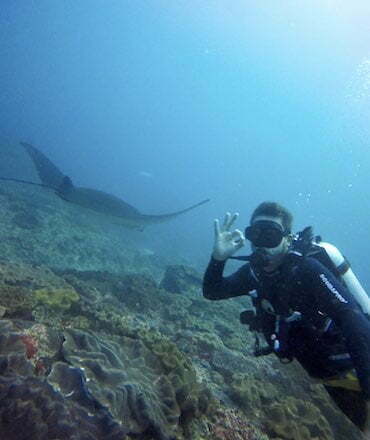
Guía de buceo en Bali 2025
Una guía completa del buceo en Bali y Nusa Penida: mantarrayas, pez luna oceánico (Mola Mola), otras especies marinas, cómo elegir tu centro de buceo ¡y mucho más!
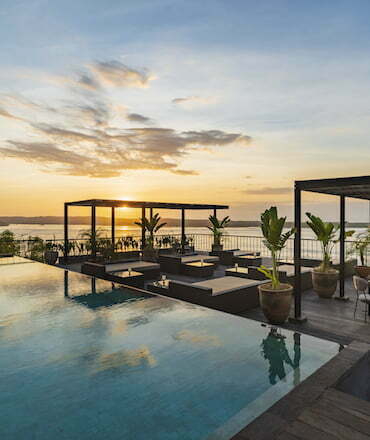
Dónde dormir en Nusa Penida
Cómo elegir alojamiento en Nusa Penida entre más de 450 opciones: ¿hotel de 5 estrellas, boutique hotel, glamping o bungalows con encanto?
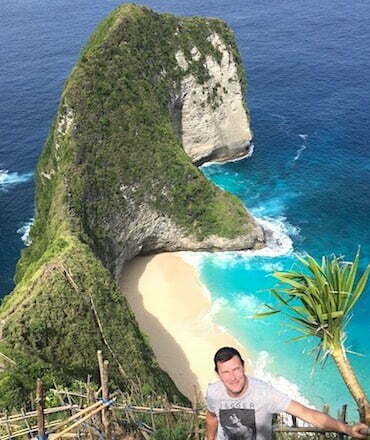
Top 15 para ver en Nusa Penida
Después de más de 30 visitas a Nusa Penida, actualicé mi lista de 15 lugares impresionantes que ver en la isla: playas, templos, acantilados, sitios de buceo ¡y mucho más!