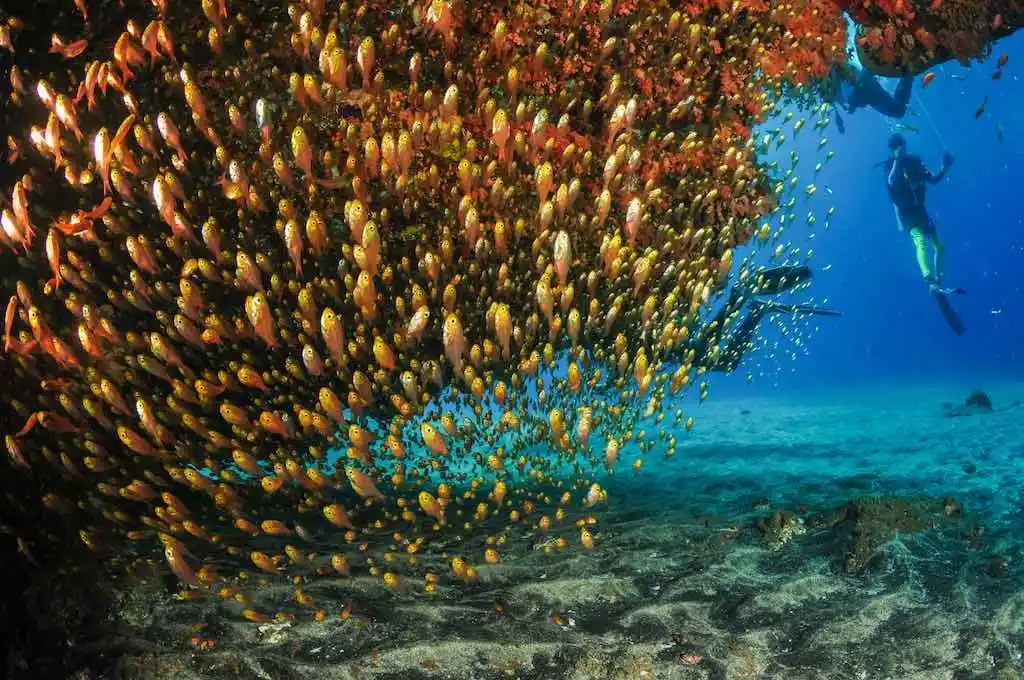
Für Taucher ist Bali ein absolutes Traumziel, mit einigen der besten Tauchplätze rund um Nusa Penida. Das Meeresleben ist äußerst vielfältig – von winzigen Pygmäenseepferdchen bis hin zum unglaublichen Mondfisch, auch Mola Mola genannt. Majestätische Mantarochen sind fast das ganze Jahr über in Nusa Penida zu Hause, und mit etwas Glück begegnen Sie sogar einem Walhai. Nusa Penida ist außerdem ein wahres Paradies für Nacktschnecken! Mit hervorragender Sichtweite, warmem Wasser und einer breiten Vielfalt an Unterwasserflora und -fauna bietet das Tauchen in Bali ein atemberaubendes Spektrum an Farben, Korallen und Fischarten.
Die einzige Frage ist, wie man Nusa Penida im Vergleich zu anderen beliebten indonesischen Tauchspots wie Raja Ampat und Komodo einordnen soll. Teilen Sie uns Ihre Meinung mit und sagen Sie uns, welchen Ort Sie für das ultimative Taucherlebnis am besten finden.
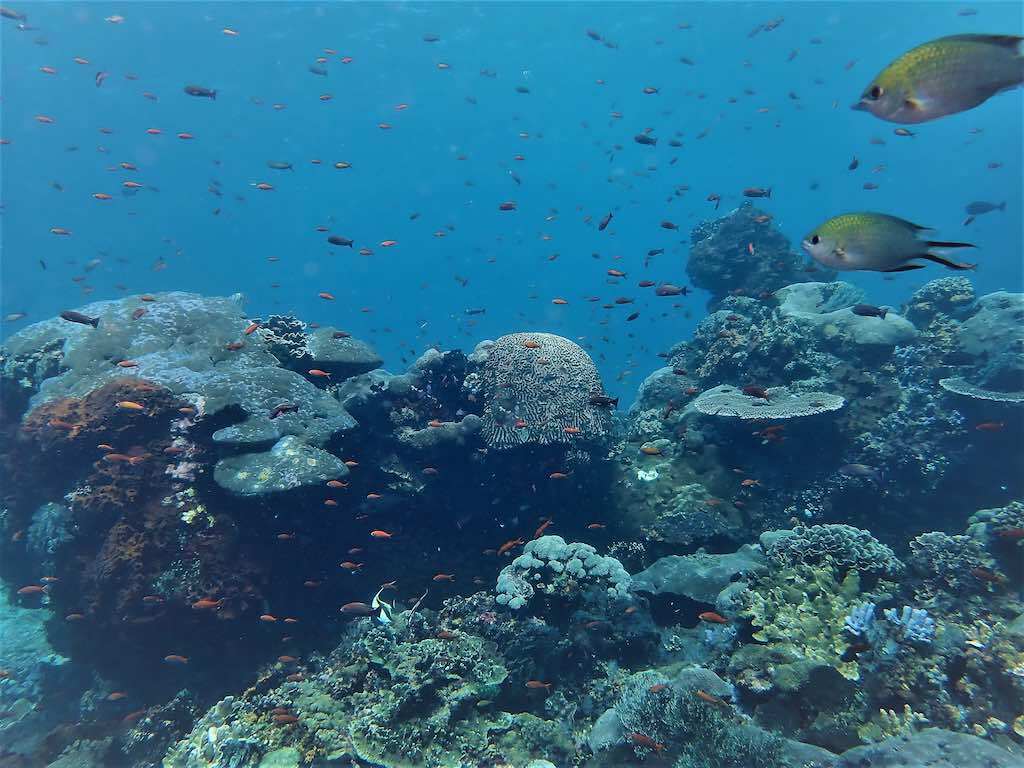
Es gibt mehr als 50 Tauchplätze auf Bali, hauptsächlich rund um Nusa Penida. Aber auch die Tauchplätze bei den kleinen Gili-Inseln vor Candidasa und das berühmte USAT Liberty Wrackschiff in Tulamben sind absolut beeindruckend.
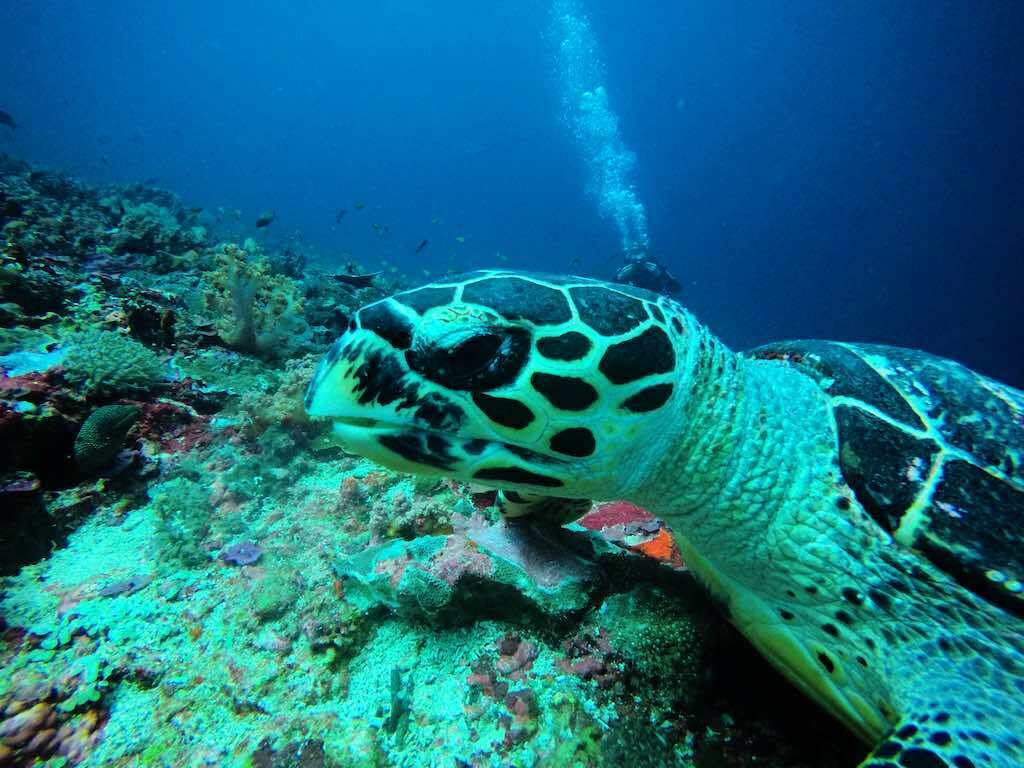
Die ikonischsten Tauchplätze auf Bali: Crystal Bay und Manta Point
Bali verfügt über zwei weltbekannte Tauchplätze, die einige der berühmtesten pelagischen Tiere beherbergen: Crystal Bay und Manta Point.
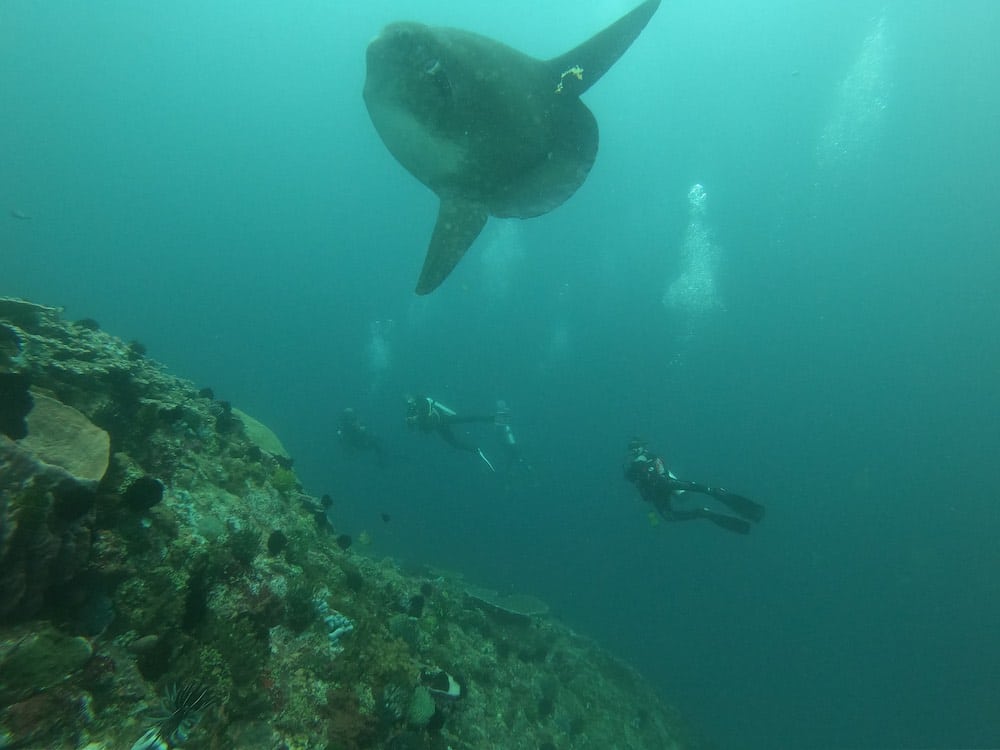
Crystal Bay ist berühmt für seine Begegnungen mit dem Mondfisch (Mola Mola), der zwischen Juli und Oktober regelmäßig gesichtet werden kann. Trotz seiner Beliebtheit bleibt Crystal Bay ein außergewöhnlich schöner Tauchplatz – allerdings am besten in Begleitung eines erfahrenen Guides, der die besten Stellen kennt, um diese majestätischen Tiere zu beobachten.
👉 Bei Dune Penida vermeiden wir die großen Gruppen, indem wir Crystal Bay entweder vor der Ankunft der Boote aus Sanur oder während deren Oberflächenintervall betauchen.
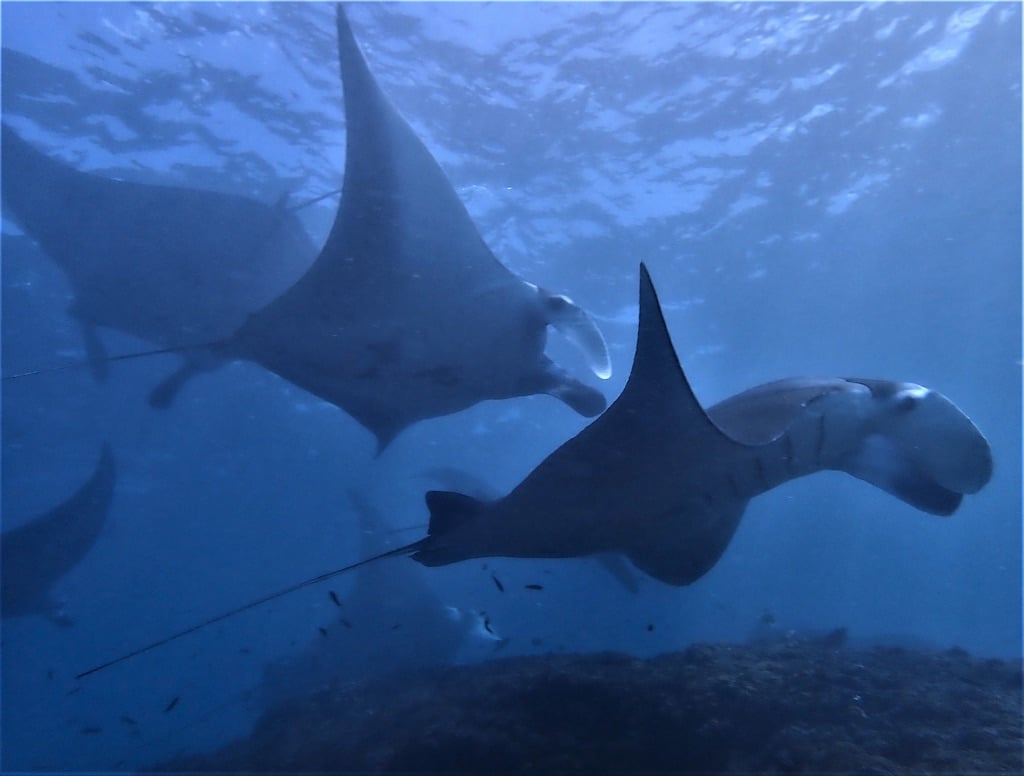
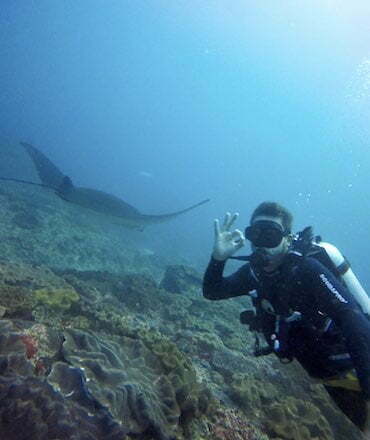
Manta Point hingegen bietet mehrere Reinigungsstationen, an denen sich Mantarochen von Parasiten befreien lassen. Der Anblick dieser sanften Riesen, die in eleganten Kreisen um einen herumschwimmen, ist einfach überwältigend. Dieser spektakuläre Tauchplatz liegt etwa 45 Minuten Bootsfahrt vom Hafen Toyapakeh entfernt. Vor jeder Abfahrt informieren wir Sie ausführlich über die Meeresbedingungen, da diese manchmal recht rau sein können.
Drifttauchgänge auf Bali – an der Nordküste von Nusa Penida
Die Nordküste von Nusa Penida ist berühmt für spektakuläre Drifttauchgänge. Hier liegen fünf aufeinanderfolgende Tauchplätze, die ein weitläufiges Korallenplateau bilden: Ped, SD Point, Sental, Buyuk und Tugu. Jeder dieser Plätze bietet vielfältige Korallenlandschaften. Getragen von den Strömungen gleiten Taucher mühelos vom flachen Wasser in tiefere Bereiche und genießen dabei ein atemberaubendes Panorama.
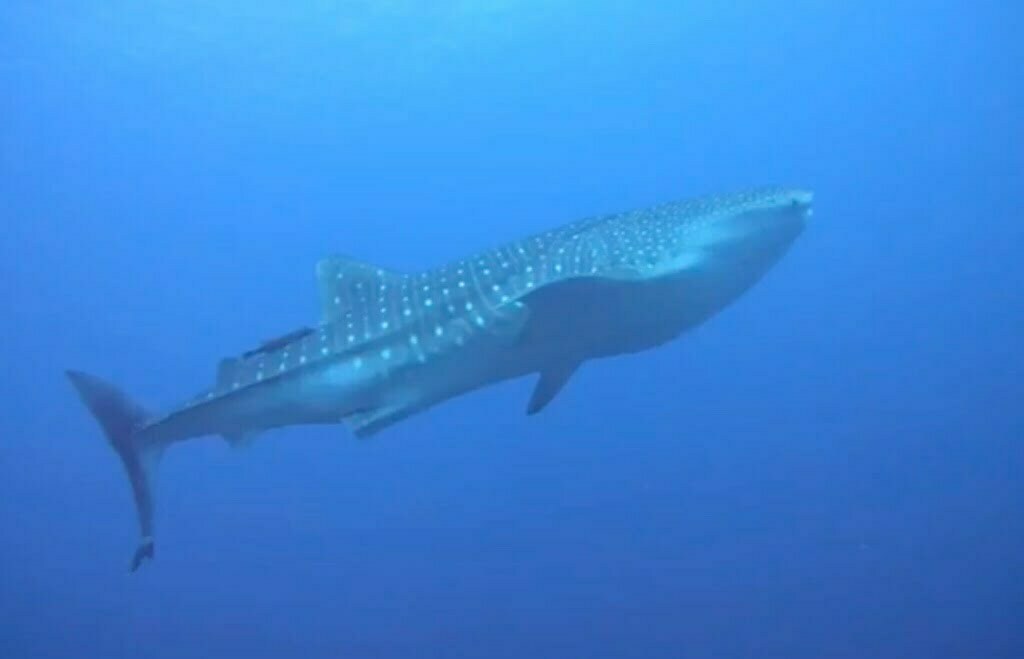
Während Sie das Korallenplateau erkunden, können Sie auf faszinierende Meeresschildkröten, Thunfische und Barrakudas treffen. Die Region ist außerdem Heimat von Weißspitzenriffhaien – und mit etwas Glück lassen sich sogar ein Mola Mola, gelegentlich auch Walhaie oder in sehr seltenen Fällen sogar ein Großer Weißer Hai beobachten.
Nusa Penida – Nusa Ceningan Channel
Neben Crystal Bay gibt es zahlreiche beeindruckende Tauchplätze im Kanal, der Nusa Penida von Nusa Ceningan und Nusa Lembongan trennt. Die starken Strömungen in dieser Region bringen eine enorme Vielfalt an Meeresleben mit sich und machen den Kanal zu einem wahren Paradies für Taucher.
Ein Highlight ist Toyapakeh, direkt unterhalb des Adiwana Warnakali Dive Resorts. Das dortige Korallenplateau ist ein wahres Farbenmeer und bietet fantastische Möglichkeiten für die Makrofotografie. Auch große Schwärme verschiedenster Fischarten sind hier regelmäßig anzutreffen.
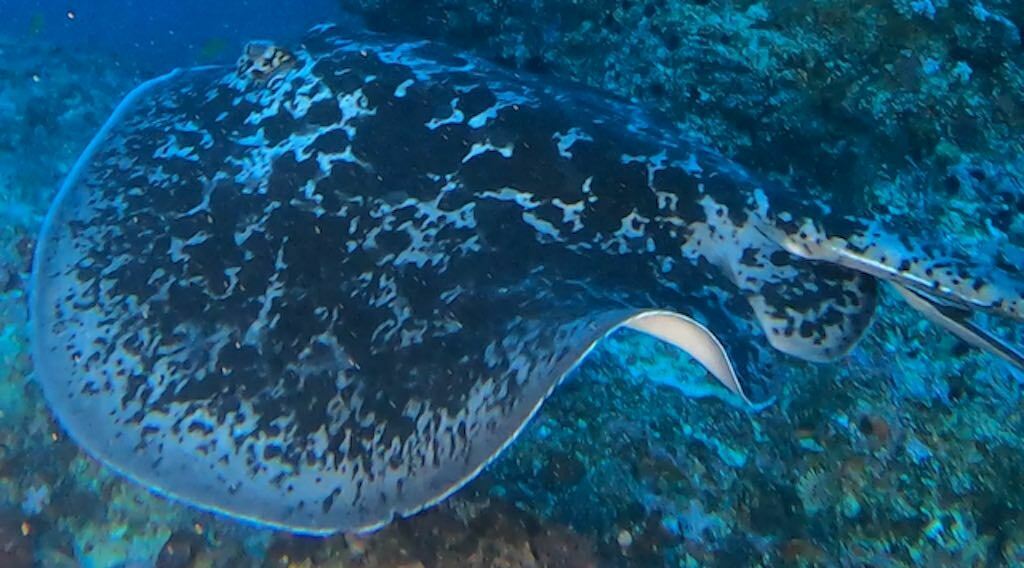
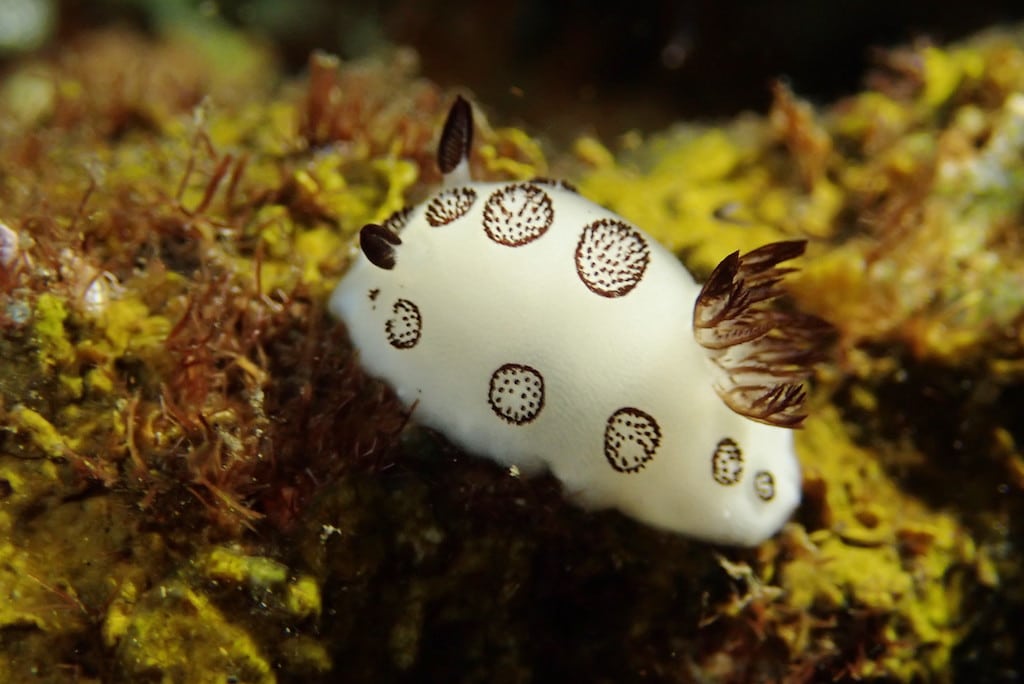
Ein weiterer spektakulärer Spot ist die Gamat Bay mit ihrem weitläufigen, flachen Korallenplateau, flankiert von zwei Felsvorsprüngen. Hier findet man eine beeindruckende Vielfalt an Meereslebewesen – von Nacktschnecken und Schildkröten über Muränen bis hin zu Marmorrochen. Zudem zählt die Gamat Bay zu den beliebten Orten, um den seltenen Mola Mola (Mondfisch) zu beobachten.
Für erfahrene Taucher, die eine intensivere Erfahrung suchen, empfehlen wir zwei weitere Standorte. Amok ist ein technischer Tauchgang mit unglaublichen Farben und vielfältigen Fauna, während Ceningan Wall ist eine bunte Wand, die immer Überraschungen im Blau hält. Beide sind unvergessliche Taucherlebnisse.
Nusa Lembongan Tauchplätze
Die Nordküste von Nusa Lembongan bietet zwei fantastische Tauchplätze, die unbedingt eine Erkundung wert sind.
Der erste, Mangrove, liegt in der Nähe eines großen Mangrovengebiets und ist für seine bemerkenswerte Vielfalt bekannt. Hier tummeln sich unzählige Korallenfischarten, dazu faszinierende Lebewesen wie Krokodilfische, Riffhaie und Meeresschildkröten – ein echtes Schauspiel unter Wasser.
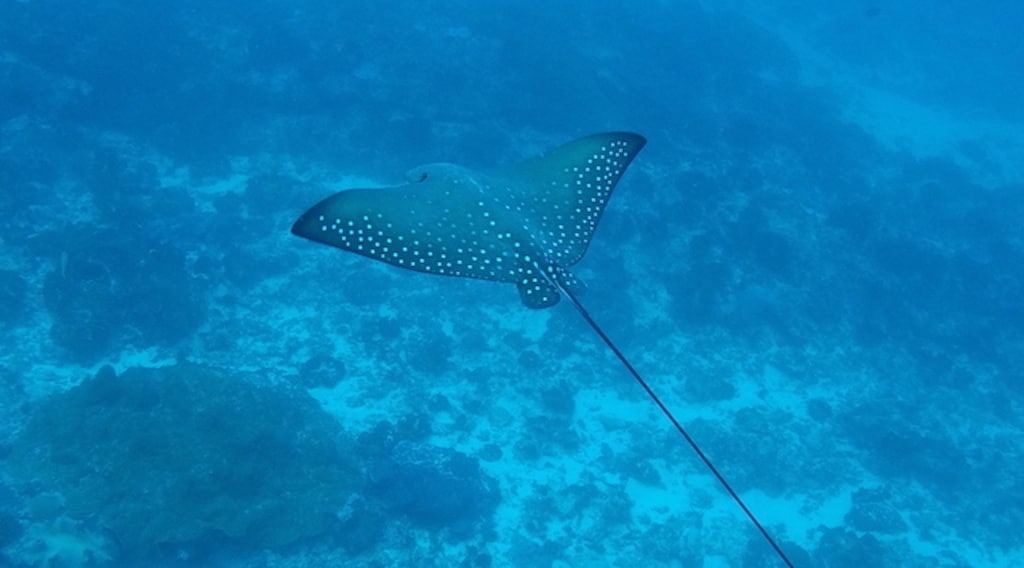
Der zweite Tauchplatz, Blue Corner, entführt Sie in tiefblaue Gewässer, wo Sie die beeindruckende Präsenz von Haien, Adlerrochen und anderen Meeresbewohnern erleben können, die sich in den starken Strömungen tummeln. Mit etwas Glück können Sie hier sogar den seltenen Mola Mola (Mondfisch) entdecken – oft begleitet von seinen kleinen Putzerfischen. Ein unvergessliches Erlebnis für jeden Taucher!
Batu Bolong, an der SüdwestküsteBatu Bolong – an der Südwestküste von Nusa Penida
Wir lieben es, die Insel zu erkunden und dabei neue Tauchplätze entlang der Klippen zu entdecken. Wenn Sie uns bei einem Drei-Tauchgang-Tag begleiten, bringen wir Sie vielleicht sogar zu einem dieser versteckten Juwelen. Doch über einen Spot müssen wir unbedingt sprechen: Batu Bolong.
Dieser legendäre Bali-Tauchplatz bietet ein unvergleichliches Erlebnis. Das Team von Dune Penida hat hier am 5. März 2023 sogar einen Walhai gesichtet!
Batu Bolong begeistert mit einem blühenden Ökosystem, faszinierenden Begegnungen unter Wasser und der Chance, Haie, Rochen und sogar Mondfische (Mola Mola) zu sehen. Lesen Sie die Erfahrungsberichte unserer Taucher – dieser unvergessliche Tauchgang bleibt garantiert ein Leben lang in Erinnerung. unvergleichliches Erlebnis. Das Dune Penida-Team hat kürzlich dort am 5. März 2023 einen Walhai gesehen!
Padang Bai Gilis – tolles Tauchen auf Bali
Besuchen Sie Dune und erkunden Sie die drei bezaubernden Inseln vor der Küste von Candidasa, Bali – die Gilis von Padang Bai. Diese kleinen Inseln sind berühmt für ihre außergewöhnlichen Tauchplätze und versprechen ein unvergessliches Unterwassererlebnis.
Am Gili Biaha können Sie ein wahres Kinderzimmer der Weißspitzenhaie beobachten. In Gili Tepekong erwartet Sie eine faszinierende Unterwasserwelt, die von den kleinsten bis zu den größten Kreaturen alles bereithält. Beenden Sie Ihre Reise in Gili Mimpang, wo Sie mit etwas Glück den majestätischen Mola Mola (Mondfisch) in den Strömungen tanzen sehen können.
Mit nur 45 Minuten Bootsfahrt von Nusa Penida ist dieses Abenteuer nicht nur bequem, sondern auch ein absolutes Highlight, das Sie nicht verpassen sollten.
Tulamben Tauchplatz und Balis Nordküste
Die Nordküste von Bali bietet einige spektakuläre Tauchplätze – allen voran das berühmte USAT Liberty Wrack in Tulamben. Neben diesem ikonischen Spot lohnt es sich, weitere Tauchplätze von Westen nach Osten zu erkunden:
- Menjangan Island (auch bekannt als Deer Island)
- Bajul Bay – ein atemberaubender Ort für einen Tagesausflug
- Gilimannuk – Heimat einer Vielzahl faszinierender Kleinstlebewesen
- Jemeluk Bay in Amed
- Lipah Bay
Wenn Sie mehr erfahren möchten, sehen Sie sich unbedingt unsere zusätzlichen Ressourcen zum Tauchen auf Bali an. Und falls Sie Fragen zum Tauchen in Bali oder Indonesien haben, zögern Sie nicht, uns zu kontaktieren – wir tauschen uns leidenschaftlich gerne mit Tauchern aus und lassen uns von ihren Erlebnissen inspirieren.
Bali Tauchführer 2025
Ein kompletter Reiseführer zum Tauchen auf Bali und in Nusa Penida:
Mantarochen, Mondfisch (Mola Mola), faszinierende Meeresfauna, Tipps zur Wahl des richtigen Tauchzentrums – und vieles mehr!

Unterkunft in Nusa Penida
Wie wählen Sie die passende Unterkunft auf Nusa Penida – bei mehr als 450 gelisteten Hotels?
Ob 5-Sterne-Resort, Boutique-Hotel, Glamping oder charmanter Bungalow – hier finden Sie die richtige Option für Ihren Aufenthalt.
Top 15 in Nusa Penida
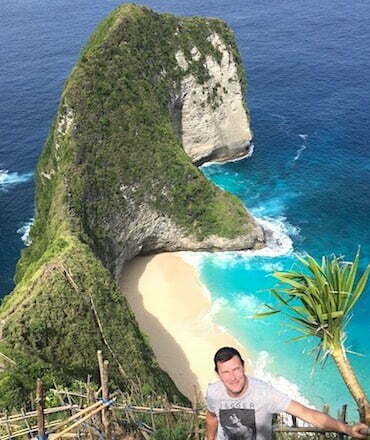
Nach 30 Besuchen auf Nusa Penida habe ich meine Liste der 15 schönsten Sehenswürdigkeiten aktualisiert.
Entdecken Sie atemberaubende Strände, eindrucksvolle Tempel, spektakuläre Klippen, spannende Tauchplätze und vieles mehr auf dieser einzigartigen Insel!