Di Blaise Jaeger · PADI Master Scuba Diver · Aggiornato il 30 giugno 2026
Se stai pianificando un viaggio di immersioni a Bali, Nusa Penida è l’isola che cambia l’intero viaggio. In pochi giorni puoi immergerti con le mante, scivolare lungo reef colorati, cercare il Mola Mola stagionale e sentire la potenza delle correnti che rendono questa zona così viva.
Ho aperto un centro immersioni a Nusa Penida nel 2017 e mi sono immerso qui centinaia di volte, tra cui Manta Point, Crystal Bay, Batu Bolong, i siti in corrente della costa nord e il canale esposto tra Penida e Ceningan. Questa guida si basa su quell’esperienza di prima mano — non su un itinerario generico di Bali.
La versione breve: Nusa Penida vale la pena se cerchi grande vita marina, un’energia sottomarina intensa e siti vari in un’area compatta. Non è sempre l’immersione più facile di Bali, ma con la guida, il momento e la scelta del sito giusti, può essere una delle destinazioni di immersione più memorabili dell’Indonesia.
👉 In questa guida completa scoprirai cosa puoi vedere, quando venire, se le immersioni sono adatte al tuo livello, quali siti scegliere, quanti giorni pianificare, dove soggiornare e come organizzare le tue immersioni. Cerchi l’elenco completo dei siti di immersione? Consulta la nostra guida dettagliata ai 20 migliori siti di immersione a Nusa Penida e alla vicina Padang Bai.
Cosa vedrai sott’acqua
Per mia esperienza, le migliori immersioni a Nusa Penida raramente ruotano attorno a un solo animale. La magia nasce dalla combinazione: mante in un’immersione, un drift veloce in quella dopo, acqua fredda e Mola Mola in stagione, poi un reef coperto di banchi di pesci e vita macro.
Mante a Manta Point (tutto l’anno)
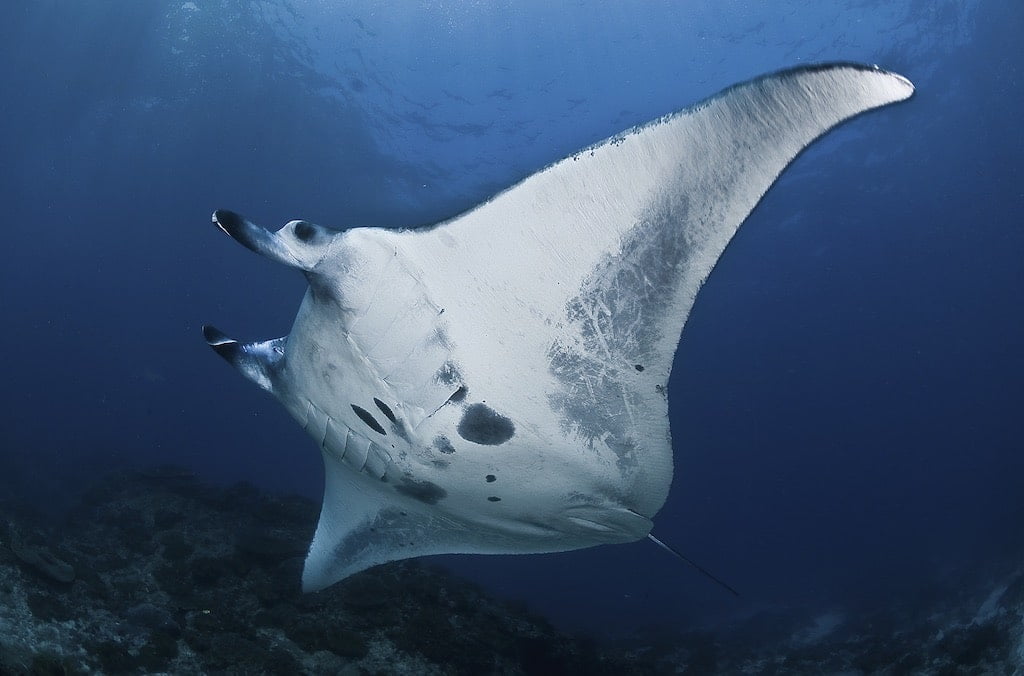
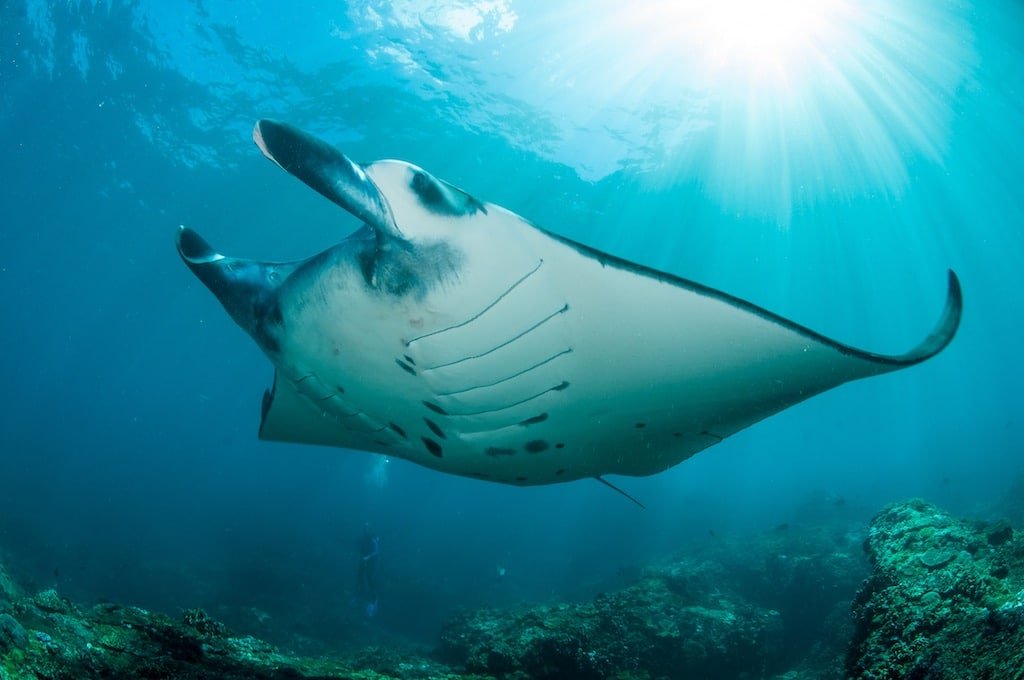
Uno dei punti forti delle immersioni a Nusa Penida è incontrare le mante tutto l’anno a Manta Point, dove le mante di barriera si radunano in stazioni di pulizia naturali. Con profondità ridotte e avvistamenti costanti, è una delle esperienze con le mante più affidabili di Bali.
Il Mola Mola, il pesce luna oceanico (luglio–ottobre)
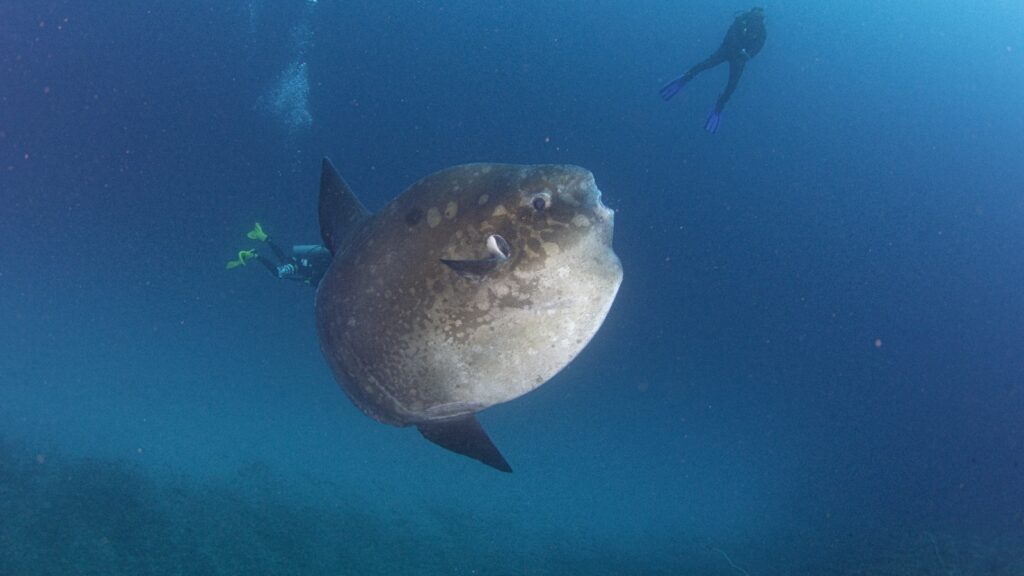
Il maestoso Mola Mola appare di solito tra luglio e ottobre, quando risalite più fredde salgono lungo i reef. I subacquei di solito lo trovano a 25–40 m mentre i pesci di barriera lo puliscono — un punto forte raro e indimenticabile che attira subacquei esperti da tutto il mondo.
Squali e specie pelagiche
Oltre alle mante e al Mola Mola, Nusa Penida offre regolarmente avvistamenti di squali — squali bamboo a Manta Point, con squali balena e squali volpe avvistati occasionalmente — oltre a aquile di mare, tonni, carangidi giganti e barracuda nel blu.
Banchi di pesci e vita di barriera
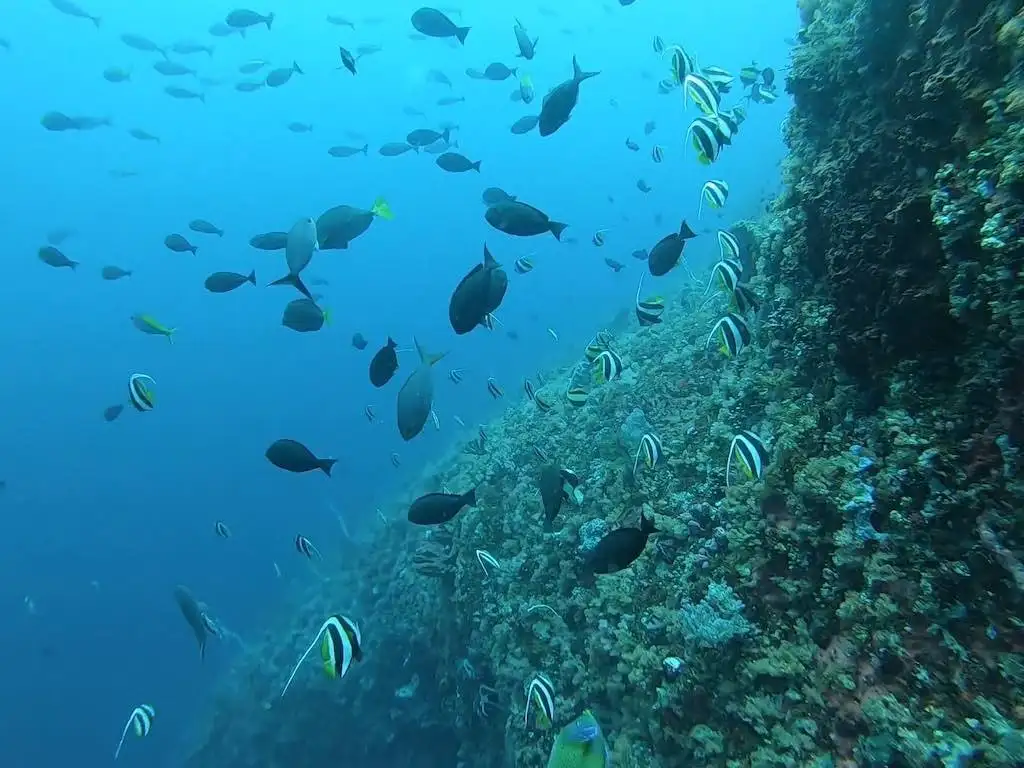
I plateau e le pareti di corallo brulicano di fucilieri, pesci chirurgo e anthias, con coralli duri e molli in salute che ospitano murene, pesci scorpione e innumerevoli specie di barriera — colore e movimento costanti anche tra un avvistamento di grandi animali e l’altro.
Immersioni macro e nudibranchi
Nusa Penida è anche un parco giochi per gli amanti del macro: una grande varietà di nudibranchi, oltre a cavallucci marini pigmei, gamberetti di Zanzibar e granchi orango per subacquei e fotografi pazienti.
Le immersioni a Nusa Penida fanno per te? Livelli, correnti e sicurezza
Nusa Penida offre immersioni per tutti i livelli — dai dolci plateau corallini ai dinamici drift e alle profonde immersioni per il Mola Mola. Ecco come capire cosa fa per te.
Immersione in corrente (drift)
Nusa Penida è celebre per le sue correnti. Alcune sono stabili e moderate — come quelle della costa nord, che danno vita a splendidi drift lungo il reef, dove mantieni un buon assetto e ti lasci trasportare dalla corrente. Ma le correnti possono cambiare in fretta (l’ho vissuto molte volte, soprattutto nel canale tra Penida e Ceningan): portano vita marina abbondante, ma devi restare prudente e seguire la tua guida. Puoi anche controllare gli orari delle maree di Nusa Penida.
Immersione profonda per il Mola Mola
In stagione (all’incirca luglio–novembre) il Mola Mola si trova spesso sotto i 30 m, quindi serve un’immersione profonda — ideale per subacquei esperti con certificazione advanced. La ricompensa di incontrare questi giganti in libertà vale ampiamente la pena.
Immersioni per principianti e battesimi
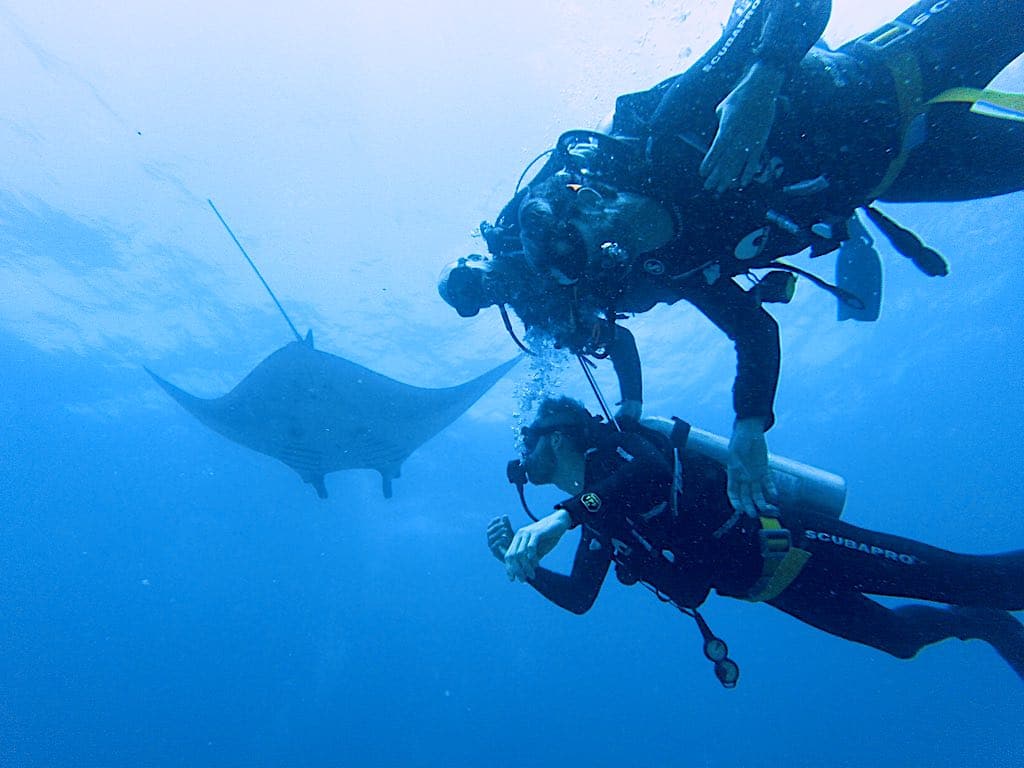
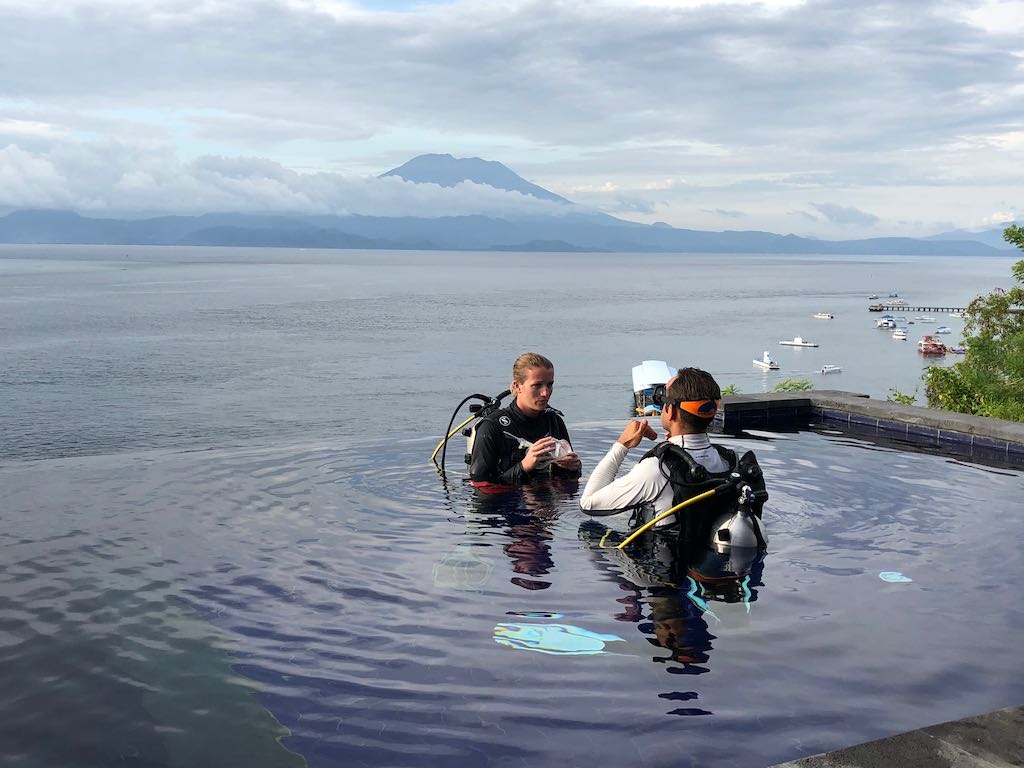
Non serve essere esperti per goderti Nusa Penida. Molti siti hanno plateau corallini poco profondi con buona visibilità, adatti ai principianti sotto supervisione, e i programmi iniziano con una sessione in piscina o in acque confinate per costruire fiducia — vedi la nostra guida al battesimo del mare a Nusa Penida. Manta Point è particolarmente adatto ai principianti: la stazione di pulizia è a soli 10–12 m, così i principianti possono scendere con un istruttore e vedere comunque le mante planare sopra di loro.
Combinazioni snorkeling + immersione
Viaggi con chi non si immerge? Diversi siti hanno reef poco profondi dove snorkeling e immersione avvengono nella stessa area — i subacquei certificati esplorano più in profondità mentre chi fa snorkeling osserva mante, tartarughe e coralli dalla superficie. Facile da organizzare per gruppi misti.
Correnti e sicurezza
La sicurezza è cruciale qui. Le correnti forti — comprese quelle di strappo e discendenti — richiedono attrezzatura di sicurezza adeguata e guide esperte, e la legge indonesiana impone un massimo di quattro subacquei per guida. Scegli un centro affidabile con ossigeno e radio a bordo, assicurazione e guide che conoscono i siti; le recensioni dei subacquei su TripAdvisor ti aiutano a decidere.
In pratica, la maggior parte delle immersioni è perfettamente gestibile quando sito e tempistica sono scelti bene. L’errore non è immergersi a Nusa Penida; l’errore è trattare tutti i siti allo stesso modo senza tener conto di marea, onda e livello del subacqueo.
Visibilità e temperatura dell’acqua
La visibilità è di solito 20–30 m. L’acqua di superficie si aggira sui 26–28 °C ma scende in profondità — i termoclini sono comuni e scendere sotto i 20–22 °C non è insolito nelle immersioni profonde, soprattutto in stagione Mola Mola, quindi si consiglia una muta da 3–5 mm.
Quando immergersi a Nusa Penida (mese per mese)
Le immersioni sono ottime tutto l’anno. Le mante si vedono tutto l’anno a Manta Point. Il Mola Mola si avvista di solito da luglio a ottobre, quando risalite più fredde lo portano su lungo i reef (è anche la stagione più affollata e con la migliore visibilità). I mesi umidi (all’incirca novembre–marzo) possono avere visibilità più variabile ma meno subacquei e le stesse mante di tutto l’anno — quando vieni, le immersioni ripagano.
| Periodo | Mante | Mola Mola | Condizioni tipiche | Il mio consiglio |
|---|---|---|---|---|
| Gennaio–marzo | Buone possibilità | Raro | Acqua più calda, visibilità variabile | Buono per le mante e meno folla |
| Aprile–giugno | Buone possibilità | Possibile ma poco comune | Visibilità in miglioramento, stagione di transizione | Periodo eccellente e completo |
| Luglio–ottobre | Buone possibilità | Stagione migliore | Acqua più fredda, termoclini, spesso ottima visibilità | Il meglio per subacquei esperti e Mola Mola |
| Novembre–dicembre | Buone possibilità | Avvistamenti tardivi occasionali | Condizioni più variabili | Vale comunque la pena, soprattutto per le mante |
Il mio periodo preferito per i subacquei esperti è di solito la stagione più fredda, quando i termoclini portano più azione. Per i principianti, mi concentrerei meno sul mese e più sulla scelta di un centro sicuro che adatti i siti alle condizioni del giorno.
Quali siti di immersione scegliere?
Nusa Penida concentra alcuni dei migliori siti di immersione di Bali in un’area molto piccola — stazioni di pulizia delle mante, hotspot di Mola Mola e spettacolari drift lungo i plateau corallini. La maggior parte dei siti è a 10–30 minuti di barca da Toyapakeh, così puoi esplorare più spot di livello mondiale in un solo giorno.
Dopo centinaia di immersioni attorno all’isola, di solito consiglio di scegliere i siti per obiettivo e non per nome. Le condizioni cambiano ogni giorno, quindi il sito migliore è quello che si adatta al tuo livello, alla marea, alla stagione e a ciò che speri di vedere.
| Se vuoi… | Migliori siti da considerare | Ideale per |
|---|---|---|
| La tua prima immersione o un’immersione da principiante supervisionata | Manta Point, Toyapakeh, plateau selezionati della costa nord | Profili poco profondi, buona visibilità, forte impatto visivo |
| Mante | Manta Point | Stazioni di pulizia affidabili tutto l’anno |
| Mola Mola | Crystal Bay, Blue Corner, Gili Mimpang in stagione | Subacquei advanced, risalite fredde, profili più profondi |
| Immersione in corrente | SD Point, Ped, Sental, Buyuk | Lunghi drift lungo il reef, banchi di pesci, tartarughe |
| Corallo sano e vita di barriera | Toyapakeh, Gamat Bay, Mangrove | Reef colorati, biodiversità, fotografia |
| Avventura in corrente forte | Batu Bolong, Ceningan Wall, Gili Tepekong | Solo subacquei esperti, potenziale pelagico |
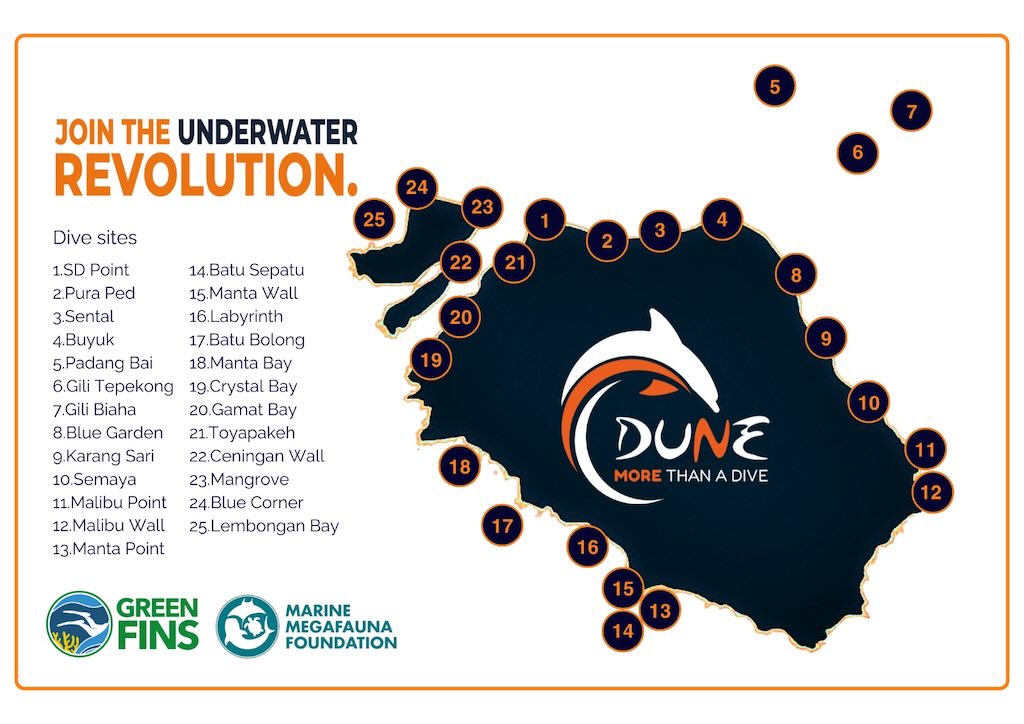
- Manta Point — il sito più affidabile per le mante tutto l’anno
- Crystal Bay — famoso per il Mola Mola stagionale
- Toyapakeh — reef corallini vivaci e ricca biodiversità
- SD Point, Ped & Sental — iconici drift della costa nord con banchi di pesci e tartarughe
Altri siti eccellenti sono Gamat Bay, Wall Point, Buyuk, Karang Sari, Malibu Point, Ceningan Wall e il più esposto Batu Bolong, noto per le correnti forti e i pelagici.
👉 Per una panoramica completa e una descrizione dettagliata di ogni sito, esplora la nostra guida ai 20 migliori siti di immersione a Nusa Penida.
Quanti giorni dovresti restare?
Nusa Penida è a soli 35–45 minuti di barca veloce da Sanur, a Bali. Le gite in giornata sono possibili, ma soggiornare sull’isola ti dà accesso più anticipato ai siti e più flessibilità. Consigliamo almeno 2–3 giorni di immersioni per esplorare siti diversi e aumentare le tue possibilità di mante o Mola Mola stagionale; quattro o più giorni permettono un ritmo rilassato e più varietà.
Dove soggiornare per le immersioni
Scegliere un alloggio vicino al tuo centro immersioni semplifica la logistica, riduce i transfer di prima mattina e ti permette di rilassarti tra un’immersione e l’altra. Arroccato sulle scogliere che dominano l’oceano, Adiwana Warnakali è un resort di immersioni boutique pensato per i subacquei — camere vista mare, due piscine (una per l’addestramento), ristorante interno e facile coordinamento con il team di immersione.
Pianificare il tuo viaggio di immersioni: scegliere centro, immersioni e corsi
Nello scegliere un centro immersioni a Nusa Penida, io darei priorità all’esperienza locale rispetto al prezzo. Il team deve conoscere maree, correnti, cambi stagionali e siti alternativi abbastanza bene da adattare il piano ogni mattina. Qui questo conta più che in molte destinazioni di immersione più tranquille.
Nel 2017 il centro immersioni Dune Penida è stato fondato con il nome di Warnakali. Come primo centro certificato PADI di Nusa Penida, è entrato nell’esclusivo club dei PADI Five Star dive resort di Bali in meno di due anni, e con diverse centinaia di recensioni a 5 stelle su TripAdvisor e Google Maps, il team ha dimostrato di essere all’altezza. La loro profonda conoscenza dei siti permette loro di scegliere lo spot e il momento giusti per evitare la folla.
Il centro offre Nitrox e bombole da 15 litri, attrezzatura di prim’ordine e una piscina di addestramento da 3 metri — un ambiente ideale e confortevole per le prime immersioni in mare dei principianti. Una giornata tipo inizia a Toyapakeh, dove la barca è ormeggiata e la tua attrezzatura è pronta; dopo un caffè e le presentazioni, si parte per una giornata intera di tre immersioni o una mezza giornata di due, con uno spuntino nell’intervallo di superficie. La scelta del sito dipende da condizioni, preferenze ed esperienza.
Corsi PADI a Nusa Penida
Con la sua combinazione di plateau tranquilli e dinamici drift, Nusa Penida è un posto eccellente per formarsi. Il PADI Open Water è la certificazione per principianti e il tuo primo passo verso l’immersione autonoma. L’Advanced Open Water aggiunge tecniche di drift, profondità e navigazione (e aumenta le tue possibilità di Mola Mola). Il corso Rescue Diver si concentra su prevenzione ed emergenze, e la formazione Divemaster è il primo passo professionale, con un’intensa esperienza sul campo nelle correnti e nella biodiversità dell’isola.
Conosci Roy, il tuo esperto di immersioni locale
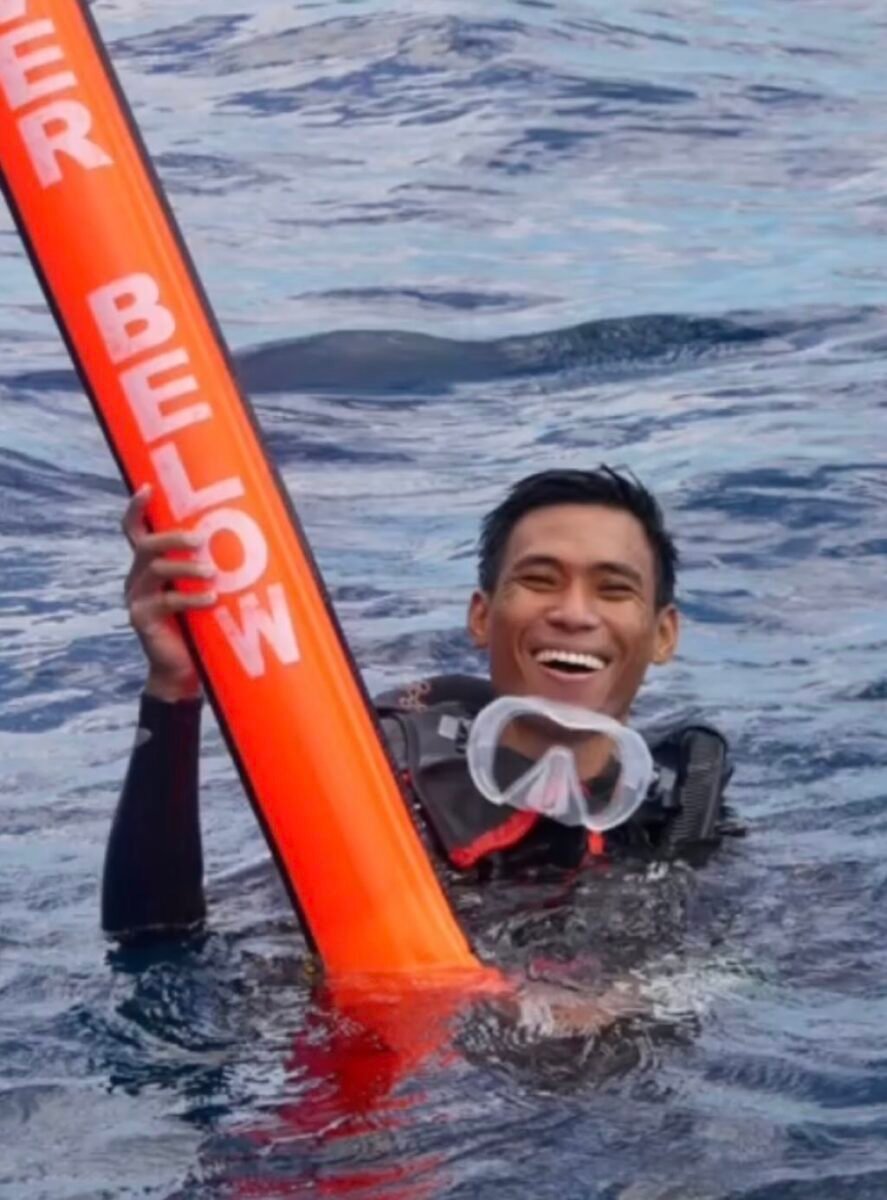
Roy è un istruttore subacqueo indonesiano a Dune Penida che conosce le condizioni quotidiane, le correnti e la vita marina attorno a Nusa Penida. Aiuta i subacquei a scegliere i siti migliori in base al livello di certificazione, all’esperienza e alla stagione.
Non sei sicuro che Nusa Penida sia adatta al tuo livello? Ti chiedi quando venire per il Mola Mola, o quali siti siano migliori per mante, drift o principianti? Chiedi a Roy direttamente prima di pianificare le tue immersioni.
Questo video è stato girato quando il centro si chiamava ancora Warnakali — oggi Dune Penida.
Estendi il tuo viaggio di immersioni da Nusa Penida a Padang Bai
Nusa Penida si abbina alla perfezione con i siti di immersione al largo di Padang Bai, facilmente raggiungibili in una gita in giornata. I tre isolotti Gili lì sono tra le immersioni più emozionanti di Bali:
- Gili Tepekong — una piccola isola con il famoso “Canyon”, correnti forti e squali frequenti; per subacquei esperti.
- Gili Mimpang — tre rocce con squali di barriera, Mola Mola in stagione e una biodiversità superba.
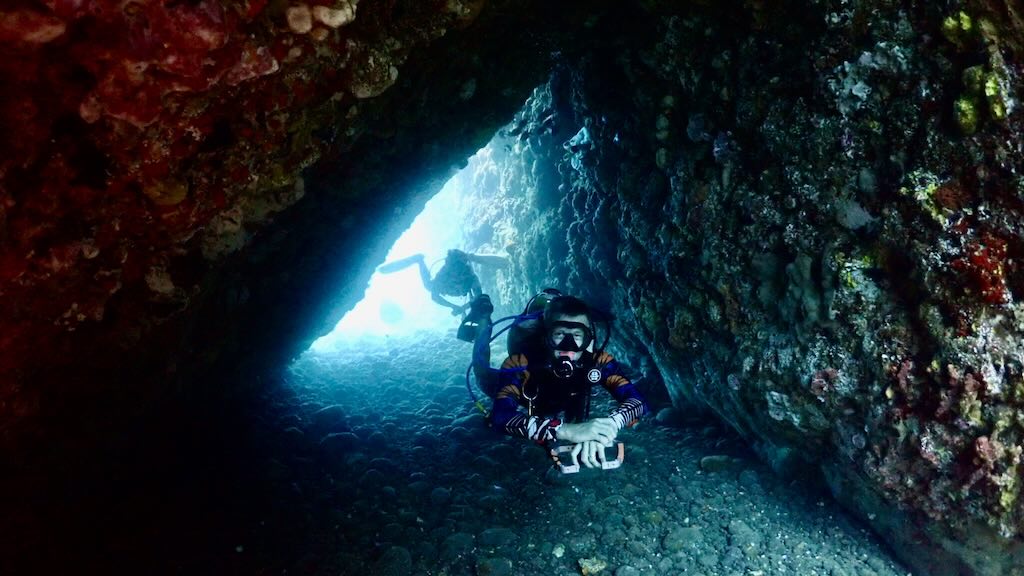
- Gili Biaha — una grotta poco profonda con squali pinna bianca di barriera e pareti spettacolari.
👉 Trovali tutti nella nostra guida ai migliori siti di immersione a Bali e Nusa Penida.
Conclusione: vale la pena immergersi a Nusa Penida?
Assolutamente — Nusa Penida offre alcune delle immersioni più emozionanti dell’Indonesia, combinando mante, Mola Mola, drift e ricca biodiversità marina in un’unica destinazione. Sulla base di centinaia di immersioni qui, il momento, le condizioni e la scelta del centro immersioni giusto fanno tutta la differenza. Che tu sia un principiante che sogna la sua prima manta o un subacqueo esperto in cerca di correnti forti e azione pelagica, immergersi a Nusa Penida non delude. Per tutta la logistica e gli alloggi, vedi la nostra guida di viaggio completa di Nusa Penida.
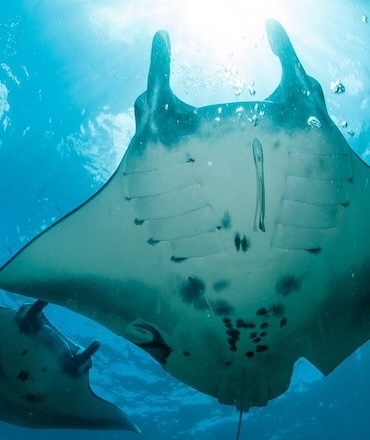
Immergiti con le mante
Manta Point: stazioni di pulizia, stagionalità, condizioni e come incontrare questi giganti gentili tutto l’anno.
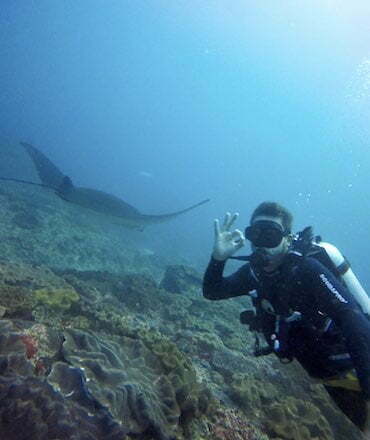
Migliori siti di immersione
I migliori siti di immersione attorno a Nusa Penida e Padang Bai: mante, pesci luna, squali, drift e reef vivaci.
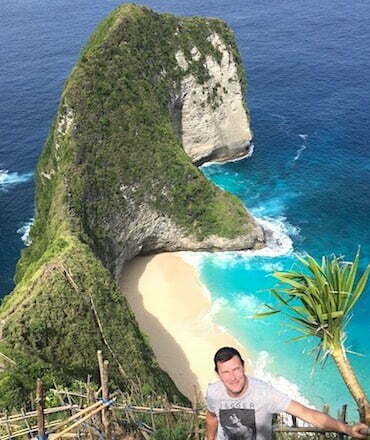
Guida di viaggio di Nusa Penida
Come arrivare, dove soggiornare, le spiagge migliori, i templi, i punti panoramici e i consigli pratici per pianificare il tuo viaggio.
Su questa guida
Questa guida è stata creata da Blaise Jaeger insieme a Roy, istruttore subacqueo a Dune Penida e fotografo subacqueo. Blaise è PADI Master Scuba Diver con più di 700 immersioni registrate, incluse centinaia attorno a Nusa Penida da quando ha scoperto l’isola per la prima volta nel 2015 e ha aperto il primo centro immersioni PADI di Nusa Penida nel 2017.
Roy si immerge attorno a Nusa Penida da molti anni e contribuisce con conoscenza locale, osservazioni stagionali e fotografia subacquea a molte delle guide pubblicate su questo sito. Ha inoltre contribuito con molte delle fotografie presenti in questo articolo.
Insieme, il nostro obiettivo è semplice: fornire informazioni accurate e basate sull’esperienza che aiutino i subacquei a scoprire in sicurezza la straordinaria vita marina e i siti di immersione di Nusa Penida.
FAQ — Immersioni a Nusa Penida
Nusa Penida è il posto migliore per immergersi a Bali?
Sì — Nusa Penida è ampiamente considerata la migliore destinazione di immersione di Bali, grazie alle sue mante, al Mola Mola stagionale, alle correnti forti e alla straordinaria biodiversità marina.
Qual è il periodo migliore per immergersi a Nusa Penida?
Le immersioni sono possibili tutto l’anno. Le mante si vedono tutto l’anno, mentre il Mola Mola si avvista di solito tra luglio e ottobre.
Nusa Penida è adatta ai subacquei principianti?
Sì — siti come Manta Point e i plateau corallini poco profondi sono adatti ai principianti sotto supervisione professionale. Le correnti possono essere forti in alcune aree, quindi le condizioni vanno valutate con attenzione.
Quali sono i migliori siti di immersione a Nusa Penida?
I più famosi includono Manta Point, Crystal Bay, Toyapakeh e i drift della costa nord come SD Point e Sental.
Serve la certificazione advanced per immergersi a Nusa Penida?
Non sempre, ma la certificazione advanced è consigliata per immersioni più profonde, correnti più forti e incontri con il Mola Mola.
Le correnti sono pericolose a Nusa Penida?
Possono essere forti e a volte imprevedibili, soprattutto attorno ai canali e ai siti esposti. Con una guida locale esperta, l’attrezzatura giusta e una scelta del sito adeguata, la maggior parte dei subacquei può godersi Nusa Penida in sicurezza.
Quanto è fredda l’acqua a Nusa Penida?
Le temperature di superficie sono spesso attorno ai 26–28 °C, ma i termoclini possono rendere le immersioni profonde molto più fredde, a volte sotto i 20–22 °C in stagione Mola Mola o anche di più. Una muta da 3–5 mm è di solito una buona scelta.
Quante immersioni dovrei pianificare a Nusa Penida?
Pianifica almeno due o tre giorni di immersioni se possibile. Questo ti dà il tempo di combinare Manta Point, i drift della costa nord e i siti di Mola Mola stagionale, mantenendo flessibilità per il meteo e le condizioni di corrente.
Esiste una mappa dei siti di immersione di Nusa Penida?
Sì — la mappa in questa guida mostra le principali aree di immersione attorno all’isola, tra cui Manta Point, Crystal Bay e i siti drift della costa nord. Per descrizioni dettagliate sito per sito, usa la guida completa dei siti di immersione.
Quanto costa immergersi a Nusa Penida?
I prezzi dipendono dal numero di immersioni e dal tuo livello (fun dive, battesimo del mare o un corso PADI completo). Scrivi a Roy su WhatsApp per le tariffe aggiornate e per prenotare.